
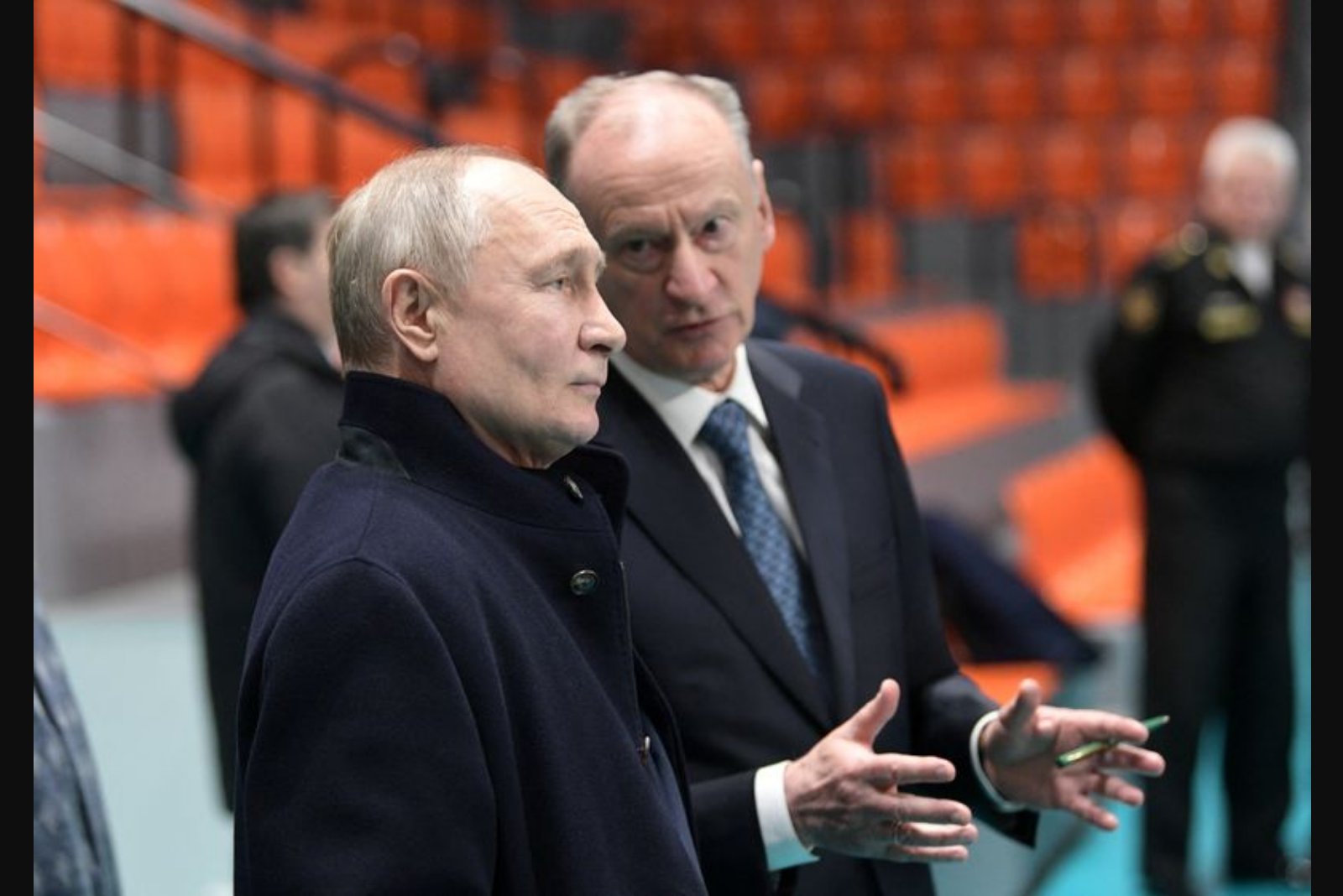
Nikolai Patrushev, a close associate of President Vladimir Putin and chairman of Russia's Maritime Board, said on Tuesday that Moscow could deploy its navy to prevent European powers from seizing Russian vessels and that it may respond against European shipping should such seizures take place.
Patrushev made the remarks to the Russian media outlet Argumenty i Fakty, framing them as a warning to Western states seeking to interrupt Russian maritime activity. He said Moscow views a strong naval presence as the best assurance of navigation safety and argued that significant forces should be stationed permanently in principal maritime areas, including regions distant from Russia.
"If we don’t give them a tough rebuff, then soon the British, French and even the Balts (Baltic nations) will become arrogant to such an extent that they will try to block our country’s access to the seas at least in the Atlantic basin," Patrushev said. "We believe that, as always, the best guarantee of the safety of navigation is the navy. In the main maritime areas, including regions far from Russia, substantial forces must be permanently deployed - forces capable of cooling the ardour of Western pirates,"
The comments come against the backdrop of Western efforts to curtail Russia's trade and financial operations. According to Patrushev's remarks, Western states have imposed more than 30,000 sanctions over Russia's war in Ukraine and have attempted to block oil tankers suspected of involvement in Russian oil shipments.
Patrushev referenced recent enforcement actions, noting that in January the United States seized a Russian-flagged oil tanker as part of initiatives aimed at limiting Venezuelan oil exports. Russian President Vladimir Putin has described such seizures as piracy, a characterization echoed in the tenor of Patrushev's warning.
The statement links naval posture, maritime security and the potential for retaliatory measures to current Western sanctions and interdictions. Patrushev framed a sustained and capable naval presence in major sea zones as a deterrent to what he called "Western pirates," and said such deployment should extend even into distant maritime regions.
Summary
Patrushev warned that Russia could use its navy to prevent vessel seizures and retaliate against European shipping, citing over 30,000 Western sanctions and recent tanker seizures, including a U.S. action in January.
Key observations
- Russia may deploy naval forces to deter or prevent seizures of its vessels - impacts shipping and maritime security sectors.
- Western measures include more than 30,000 sanctions and attempts to block tankers tied to Russian oil shipments - relevant to energy and trade sectors.
- A U.S. seizure of a Russian-flagged oil tanker in January is highlighted as an example of recent interdictions.
Risks and uncertainties
- Potential escalation at sea if seizures of Russian vessels provoke naval deployments or reprisals - could affect commercial shipping lanes and insurance costs.
- Further interdictions or sanctions may prompt retaliatory measures, creating uncertainty for energy shipments and global traders.