
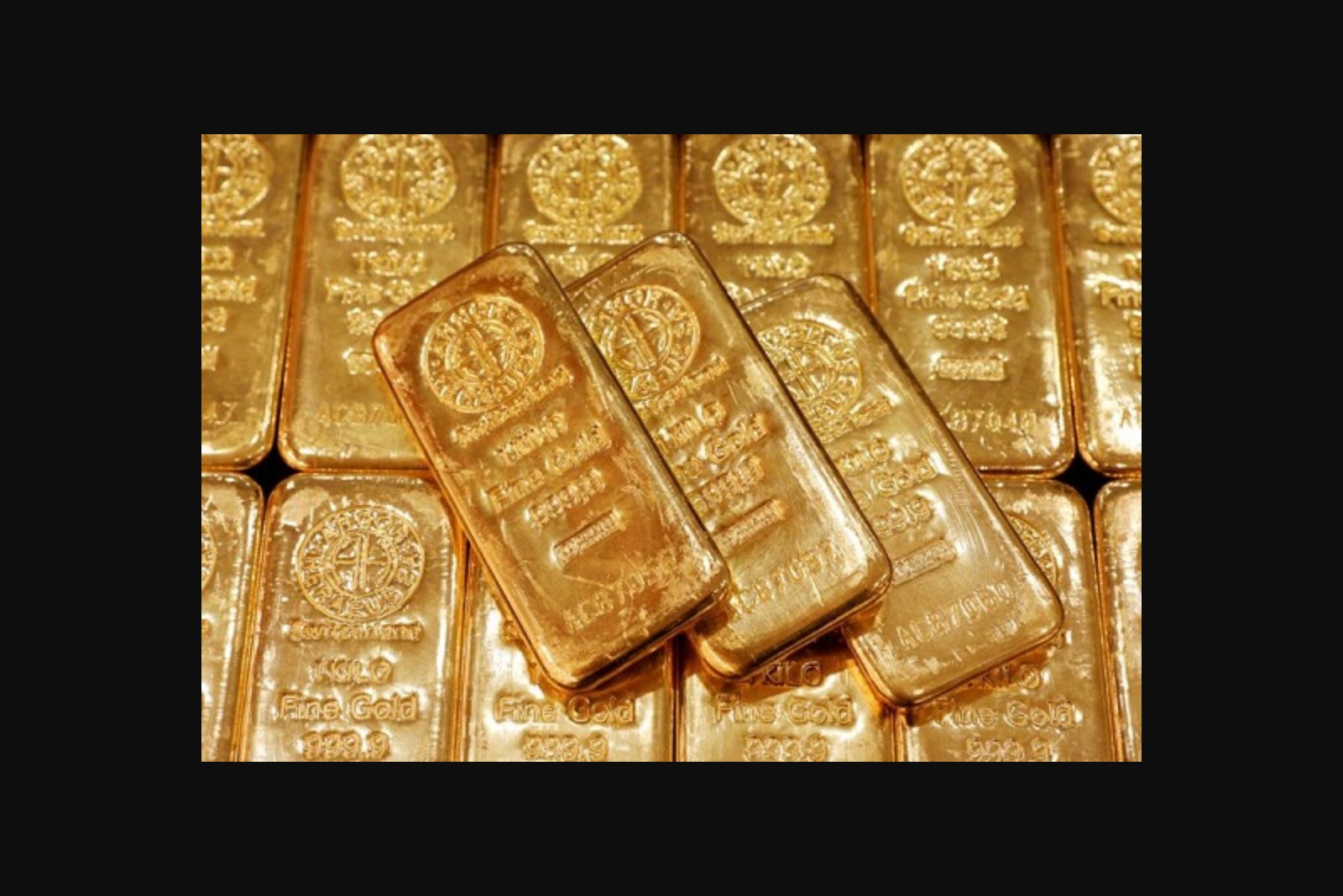
Gold prices found some footing in early Asian trading on Friday after a steep decline earlier in the week drove the metal beneath psychologically important thresholds amid renewed uncertainty about the outlook for U.S. interest rates. Market participants are now awaiting the U.S. consumer price index for January for additional guidance.
Spot gold was down 0.1% at $4,915.40 an ounce by 18:31 ET (23:31 GMT). April gold futures also slipped 0.1%, to $4,937.60 per ounce. The spot market had plunged more than 3% in the prior session.
Silver likewise steadied after suffering large losses, having erased roughly 10% in the previous session; spot silver was trading at $75.060 per ounce. Platinum recovered partially and moved back above $2,000 per ounce after also recording heavy declines in the earlier selloff.
Thursday's widespread losses across the precious-metals complex largely eliminated gains accumulated earlier in the week, leaving gold on course for a third straight week of declines. Traders and investors have struggled to find a durable direction for metals since a flash crash in late-January, with the prevailing source of pressure centering on uncertainty about the timing and extent of U.S. interest rate cuts.
Several developments have been highlighted as contributors to the recent slump. The nomination of Kevin Warsh as the next Federal Reserve Chair by U.S. President Donald Trump was seen by some market participants as a less dovish choice, and stronger-than-expected nonfarm payrolls for January added to concerns that the Fed may deliver fewer rate cuts than previously anticipated. Those factors, together with large price swings in precious metals markets, have weighed on the assets' appeal as safe havens.
The dollar had come off its weekly lows following the release of Wednesday's nonfarm payrolls report, adding another element to market dynamics. With both labor market strength and inflation central to the Federal Reserve's policy calculus, the upcoming CPI reading for January is now the primary data point traders are watching for clues on interest-rate direction.
In sum, the precious-metals market remains fragile. Recent political and economic signals have contributed to heightened volatility, and market participants are focused on inflation data for the next indication of where monetary policy might be headed.