
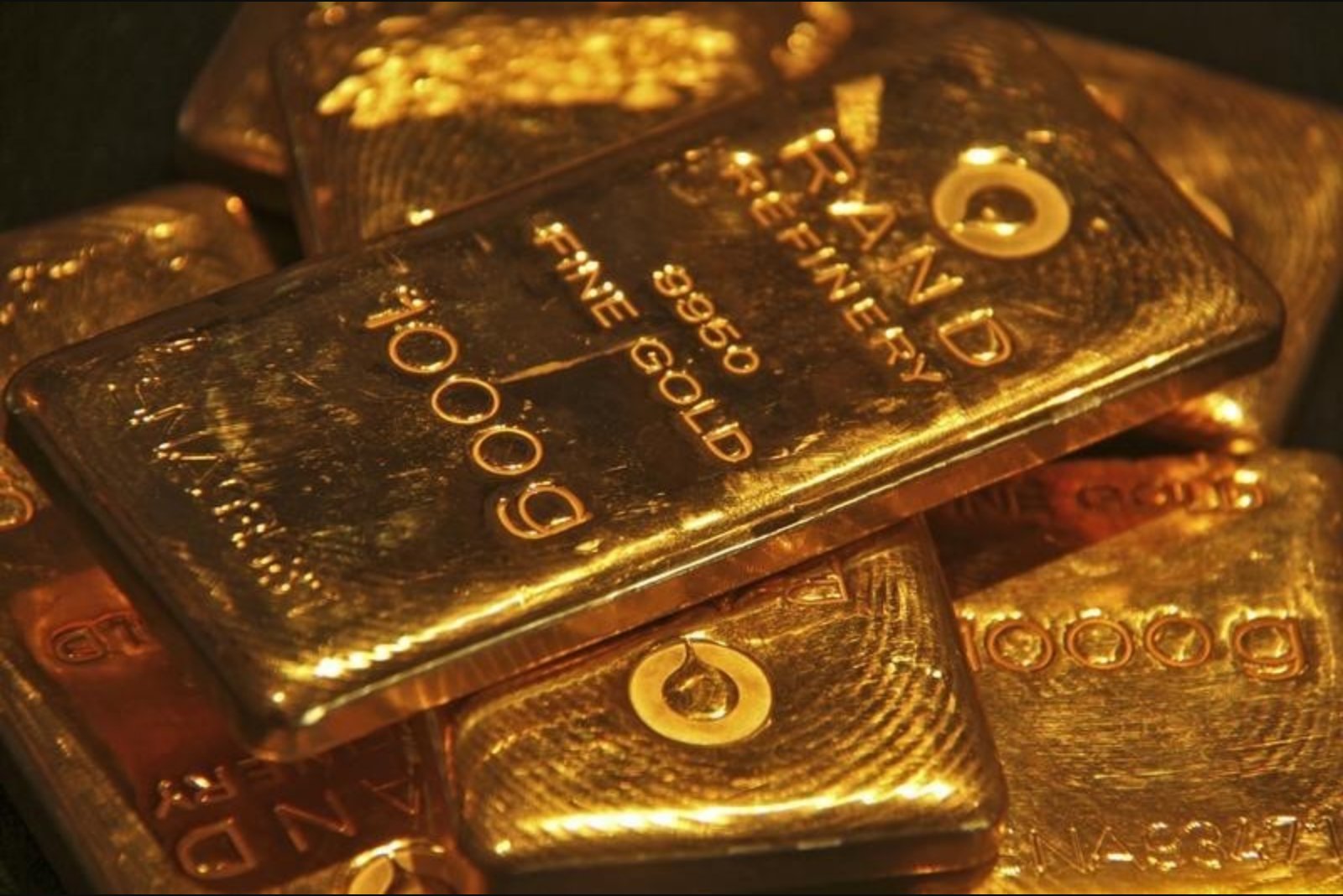
Gold steadied in Asian trading on Wednesday after a notable sell-off the previous day, as diplomatic developments and currency moves reduced some of the metal's appeal as a safe-haven asset. Trading volumes were light across the region amid Lunar New Year closures, which constrained price action.
Price moves
Spot gold was last reported up 0.1% at $4,884.16 an ounce by 20:24 ET (01:24 GMT). U.S. Gold Futures were slightly lower, dipping 0.1% to $4,899.91.
Drivers of the recent decline
On Tuesday the yellow metal tumbled more than 2% after investors grew more willing to take on risk following news that U.S. and Iranian negotiators had reached agreement on the main "guiding principles" of talks. That development raised the possibility of a diplomatic breakthrough and diminished some demand for bullion as a hedge against geopolitical risk.
The downward pressure on gold was reinforced by a firmer U.S. dollar, which increases the cost of the metal for holders of other currencies. The U.S. Dollar Index rose 0.1% during Asian hours, following a 0.3% gain on Tuesday. Expectations that near-term U.S. interest-rate cuts may be less likely also weighed on prices, since higher interest rates tend to be a headwind for a non-yielding asset like gold.
Focus on U.S. policy signals
Market participants entered the session cautious ahead of the release later in the day of minutes from the Federal Reserve's January policy meeting. Those minutes could offer additional detail on the timing and size of any potential monetary easing. Traders were also looking ahead to the U.S. personal consumption expenditures price index report for December, due on Friday. The PCE index is the Federal Reserve's preferred inflation gauge and could influence interest-rate expectations that are closely tied to gold's outlook.
Market context
Thin liquidity in Asian markets during the Lunar New Year holiday left precious metal prices more susceptible to incremental flows and to the influence of macroeconomic headlines. With both central bank messaging and incoming inflation data on the near-term calendar, investors were positioned to react to developments that could shift expectations for policy and for the dollar, each of which has a direct bearing on bullion.
Note: This report focuses on market moves, price levels and scheduled economic releases that are shaping short-term gold market positioning.