
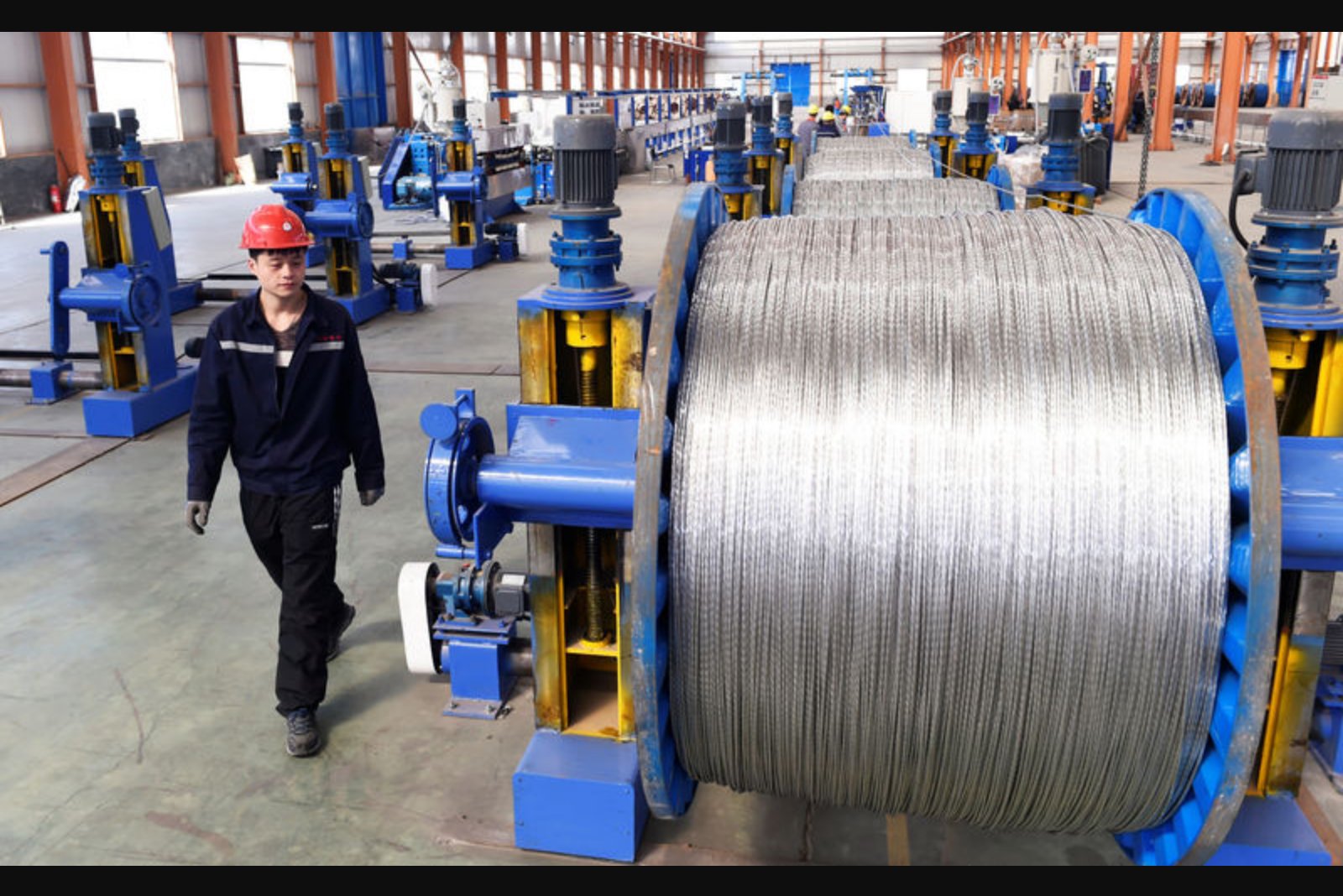
Aluminum futures in London slipped on Friday after reports surfaced that the White House is reviewing which metal products are covered by U.S. tariffs, and may carve out exemptions for some items. At 05:00 ET (10:00 GMT) prices were down 1.7%, standing at $3,045.00 per tonne - a near 2% decline for the week while remaining about 2% higher year-to-date.
The Financial Times reported that officials in the administration are weighing exemptions from tariffs on a subset of goods amid concerns that the duties are contributing to higher consumer prices. Sources cited by the newspaper said the administration is also considering curbing plans to broaden the list of products subject to the tariffs, and instead pursuing a more narrowly targeted national security review of particular items.
That potential shift in approach comes as critics argue the levies effectively operate as a tax on American consumers. A study from the New York Federal Reserve released this week found that U.S. businesses and consumers bore nearly 90% of the cost of the tariffs in 2025, according to the report.
Those findings arrive against a backdrop of a persistent cost-of-living challenge in the United States. Consumer prices have risen 24% over the past five years, and nearly 70% of Americans were living paycheck-to-paycheck as of early 2026, underscoring the sensitivity of households to price increases.
Market reaction and context
Traders adjusted positioning after the media report, which suggested a possible easing or targeted application of metal tariffs. The immediate market reaction saw aluminum posting its weekly decline even as it remains modestly higher year-to-date.
What remains uncertain
Details are still limited regarding which specific products might be excluded from the tariffs, how the administration would implement exemptions, and which items could become the focus of a targeted national security probe. Market participants will likely monitor further announcements for clarity on policy changes and timing.
Implications
- Metals markets reacted quickly to the possibility of narrower tariff coverage and a shift toward targeted reviews.
- Manufacturing and consumer-facing sectors that rely on steel and aluminum materials could see cost implications if any exemptions are confirmed.
- Household budgets may be a key political and economic consideration underpinning the administration's review of tariffs.