
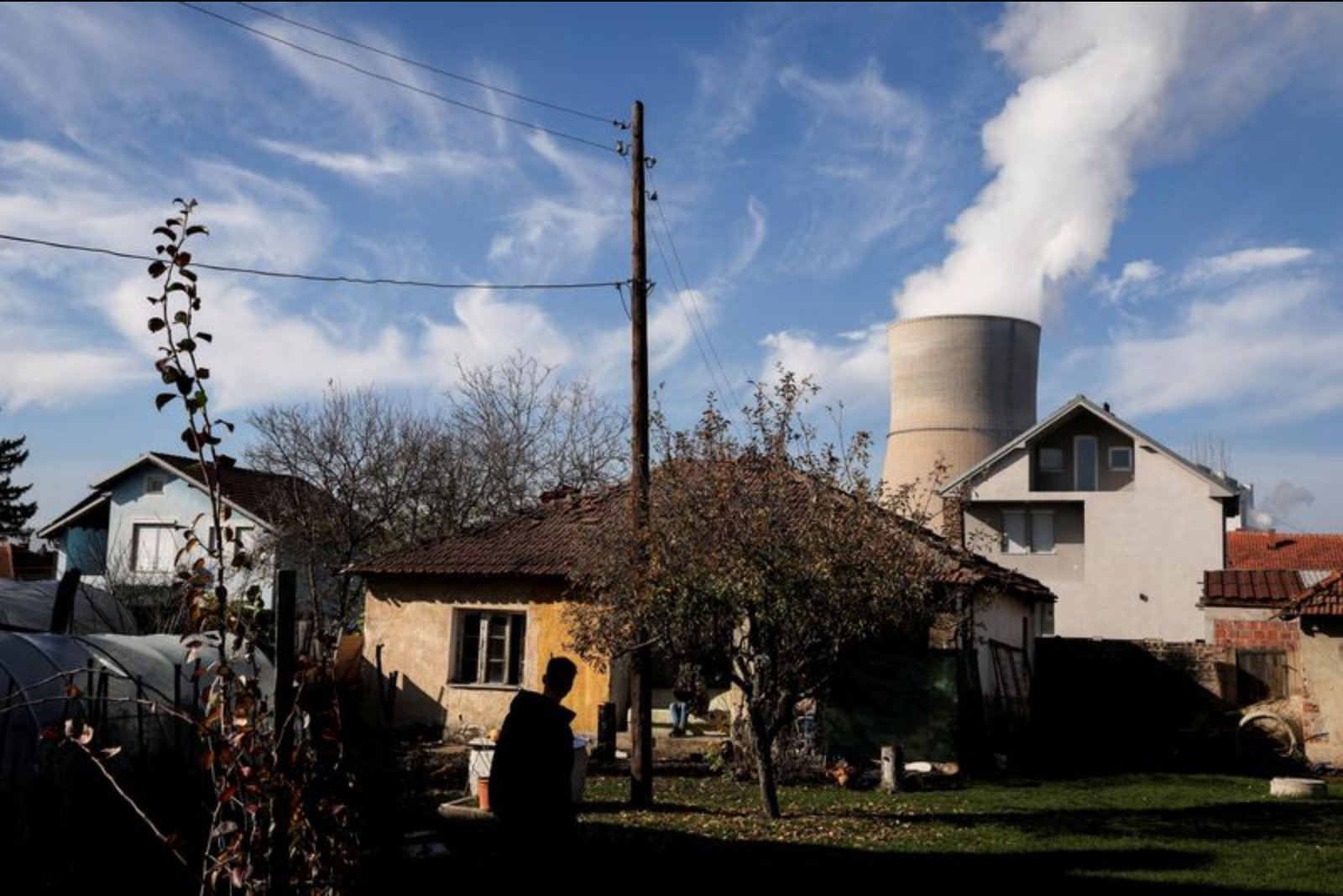
Ten years after the Paris Agreement came into force, consolidated climate observations released for 2025 show the planet warming at an intensifying pace. Multiple international scientific datasets and reports point to record-setting concentrations of greenhouse gases, higher global temperatures, unprecedented upper-ocean heat accumulation and continued sea-level rise.
Greenhouse gases and emissions trajectory
Measurements from global monitoring networks document carbon dioxide, methane and nitrous oxide at record concentrations, factors scientists link to the temperature increases recorded between 2023 and 2025. The latest Global Carbon Budget - compiled by an international team of more than 130 scientists - projects global fossil fuel CO2 emissions will reach a record 38.1 billion tonnes in 2025. That projection reflects increased use of coal, oil and gas, occurring even as renewable energy capacity expands rapidly.
The same report forecasts a 1.1% rise in fossil fuel CO2 emissions next year, and estimates that atmospheric CO2 concentrations will sit at roughly 52% above pre-industrial levels. Researchers point to a rapidly shrinking remaining carbon budget: roughly 170 billion tonnes of CO2 remain if the world seeks to limit warming to 1.5°C above pre-industrial averages. At current emission rates, that allowance is equivalent to about four years of global emissions.
Emissions are expected to increase in several major economies, including China, India, the United States and the European Union, while projections show decreases in Japan. The report notes China has continued to invest heavily in renewable energy, even as its overall emissions are forecast to rise.
Surface temperatures and global ranking
Surface temperature assessments from NASA’s Goddard Institute for Space Studies (GISS) indicate the Earth’s surface temperature in 2025 was 1.19°C above the 1951–1980 average, effectively tying with 2023 among the warmest observed years. The World Meteorological Organization’s consolidated dataset places 2025 at 1.44°C above pre-industrial levels, ranking it within the top three warmest years across the 176-year instrumental record.
Arctic sea ice and regional warming
Arctic observations underscore a sharper regional response: the U.S. National Oceanic and Atmospheric Administration’s 2025 Arctic Report Card states that the period October 2024 to September 2025 was the warmest since 1900, and confirms the Arctic is warming at more than twice the pace of the global average. Sea-ice extent reached a record low winter maximum in March 2025, measured at roughly 14.47 million square kilometres by the U.S. National Ice Center.
Oceans absorbing heat and rising seas
Oceans continued to take up heat at record rates in 2025. Upper-ocean heat content achieved a new global high, according to analyses by NOAA and Berkeley Earth. Concurrently, sea-level measurements from tide gauges and satellites document ongoing increases. The Intergovernmental Panel on Climate Change (IPCC) projects sea levels will rise between 0.20 and 0.29 metres by 2050 relative to the 1995–2014 baseline.
Policy context and international negotiations
Political developments have influenced the global climate policy landscape over the past year. In the United States, the administration of President Donald Trump has rolled back a range of environmental measures and characterised climate change as a hoax, a stance that has implications for international momentum on climate action. At the most recent UN annual meeting in Brazil, nations agreed to boost funding to help poorer countries adapt to extreme weather, but were unable to reach consensus on explicit steps to phase out fossil fuels or to strengthen collective emissions-cutting plans.
Implications for the near term
The combined picture from atmospheric monitoring, temperature records, polar indicators and ocean observations portrays a climate system continuing to respond to accumulating greenhouse gases. With projected increases in fossil fuel CO2 emissions in several major economies and a constrained carbon budget for 1.5°C, the datasets underline the gap between stated global goals and the current trajectory of emissions and warming.
Technical notes
- Global fossil fuel CO2 emissions are projected at 38.1 billion tonnes for 2025, with an anticipated 1.1% rise next year.
- Atmospheric CO2 concentrations are estimated to be about 52% above pre-industrial levels.
- An estimated 170 billion tonnes of CO2 remain within the 1.5°C carbon budget - roughly equivalent to four years of emissions at present rates.
- NASA GISS reported surface warming of 1.19°C above the 1951–1980 baseline for 2025; the WMO consolidated estimate places 2025 at 1.44°C above pre-industrial levels.
- The Arctic saw its warmest October-to-September period since 1900, and the March 2025 winter maximum sea-ice extent was around 14.47 million square kilometres.
- Upper-ocean heat content set a new global high in 2025; the IPCC projects a 0.20–0.29 metre sea-level rise by 2050 relative to 1995–2014.