
Jefferies moved American Electric Power (NASDAQ:AEP) to a Buy rating from Hold and increased its price target to $150 from $137 on Friday. At the time of the note, the stock traded at $128.42, trading near its 52-week high of $132.78 and having returned roughly 27% over the past year.
The bank pointed to a substantial increase in contracted large-load demand tied to data centers and other high-power users. Jefferies says contracted load has risen to 56 gigawatts by 2030, up from 28 gigawatts in October. That incremental demand is geographically concentrated with 36 gigawatts in ERCOT, 15 gigawatts in PJM and 5 gigawatts in SPP.
Importantly, Jefferies characterized the growth in load as contractually supported rather than speculative pipeline. All of the incremental load is reportedly backed by signed customer agreements. Within PJM, about 90% of the contracted load is supported by executed take-or-pay energy service agreements, according to the note.
Jefferies also highlighted the contractual and regulatory protections that underpin these commitments. In ERCOT, SB6-compliant letters of agreement require demonstration of financial capability and often include upfront funding. Approved large-load tariffs across four states are said to provide extended contract durations and commercial protections, with terms ranging from 12 to 20 years, minimum demand charges of 80% to 90%, termination protections and collateral requirements.
The analyst house argued that these features distinguish the newly contracted demand from an unconstrained or speculative pipeline and that the signed agreements materially improve the load outlook across the utilities sector.
Separately, American Electric Power reported Q4 2025 operating earnings of $1.19 per share, topping the analyst consensus of $1.14. Revenue for the quarter came in at $5.31 billion versus a $4.99 billion consensus estimate.
Wolfe Research also adjusted its view of AEP, upgrading the stock from Peerperform to Outperform and citing the company's execution under new management and potential growth prospects as factors behind the change.
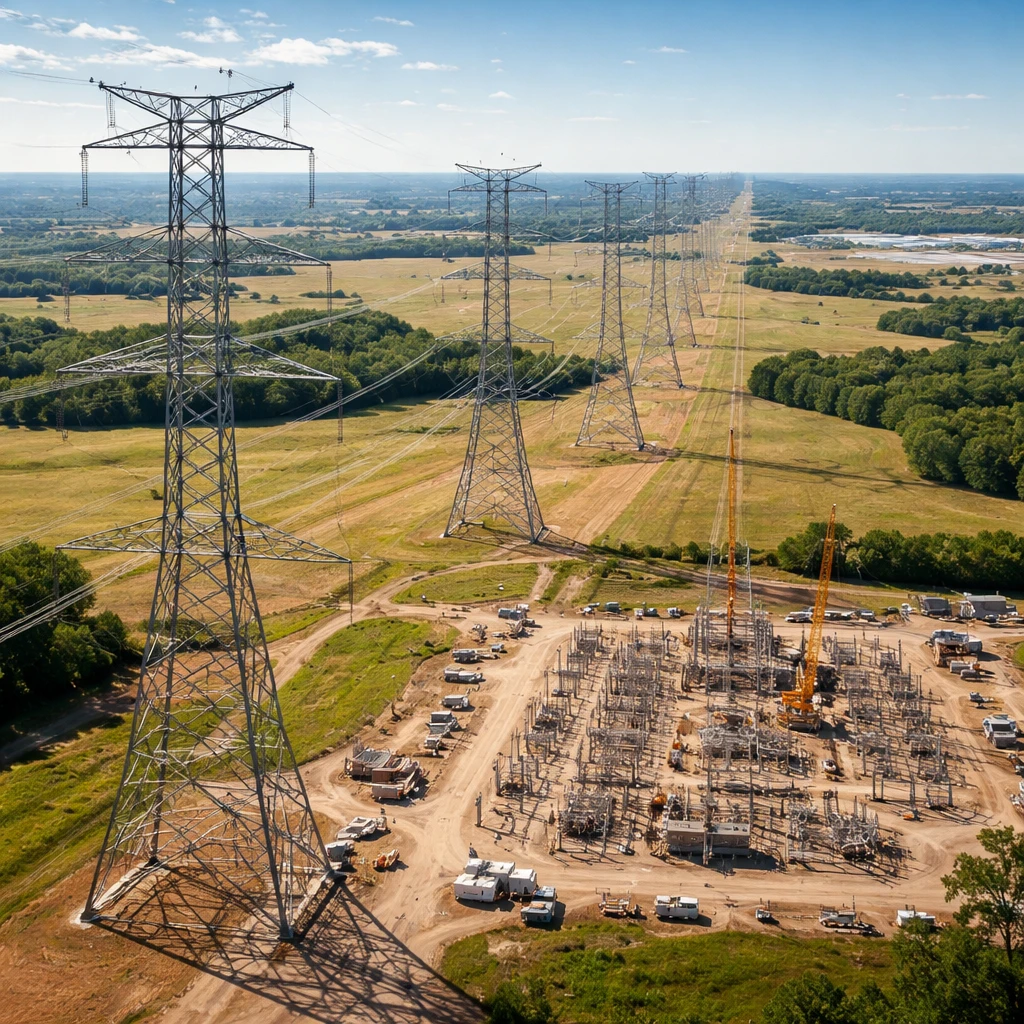
On the transmission front, PJM Interconnection approved a major electric transmission project in central Ohio developed by FirstEnergy Transmission and Transource Energy through Grid Growth Ventures LLC. The project, included in PJM's 2025 Regional Transmission Expansion Plan, involves roughly 300 miles of new 765-kilovolt lines and upgrades to multiple substations.
Taken together, the analyst upgrades, stronger quarterly results and regional transmission approvals illustrate several concurrent developments: expanding contract-backed demand for large power loads, operational performance that exceeded near-term estimates, and infrastructure projects intended to bolster regional capacity and deliverability.
For investors and market participants, Jefferies' change in stance underscores the importance of contract structure, credit protections and regulatory approvals when assessing utilities exposed to large commercial and data-center load growth.