
World April 12, 2026 10:13 PM

US, Australia and Philippines Conduct Second Joint South China Sea Drills This Year

Four-day maritime exercises involve warships, fighter jets and surveillance aircraft ahead of larger Balikatan war games

By Ajmal Hussain
US, Australia and Philippines Conduct Second Joint South China Sea Drills This Year

The Philippines, the United States and Australia carried out their second coordinated maritime exercises in the South China Sea this year from April 9 to 12. The drills, which included surface vessels, FA-50 fighter jets, P-8A Poseidon surveillance aircraft and the USS Ashland, were presented by Manila as a step in deepening defence cooperation and reinforcing regional security. The exercises precede the larger Balikatan drills set to open on April 20, which will for the first time include Japan as a full participant alongside Australia.

Key Points

  • Three-nation maritime drills took place from April 9 to 12 in the South China Sea, involving warships, fighter jets and surveillance aircraft.
  • Participating assets included Philippine FA-50 jets, Australian P-8A Poseidon aircraft, and the US dock landing ship USS Ashland, indicating emphasis on combined air-sea operations - sectors impacted: defence, aviation, maritime security.
  • The exercises precede the April 20 Balikatan war games between Manila and Washington, which will include Japan as a full participant for the first time, increasing multilateral military coordination in the region.

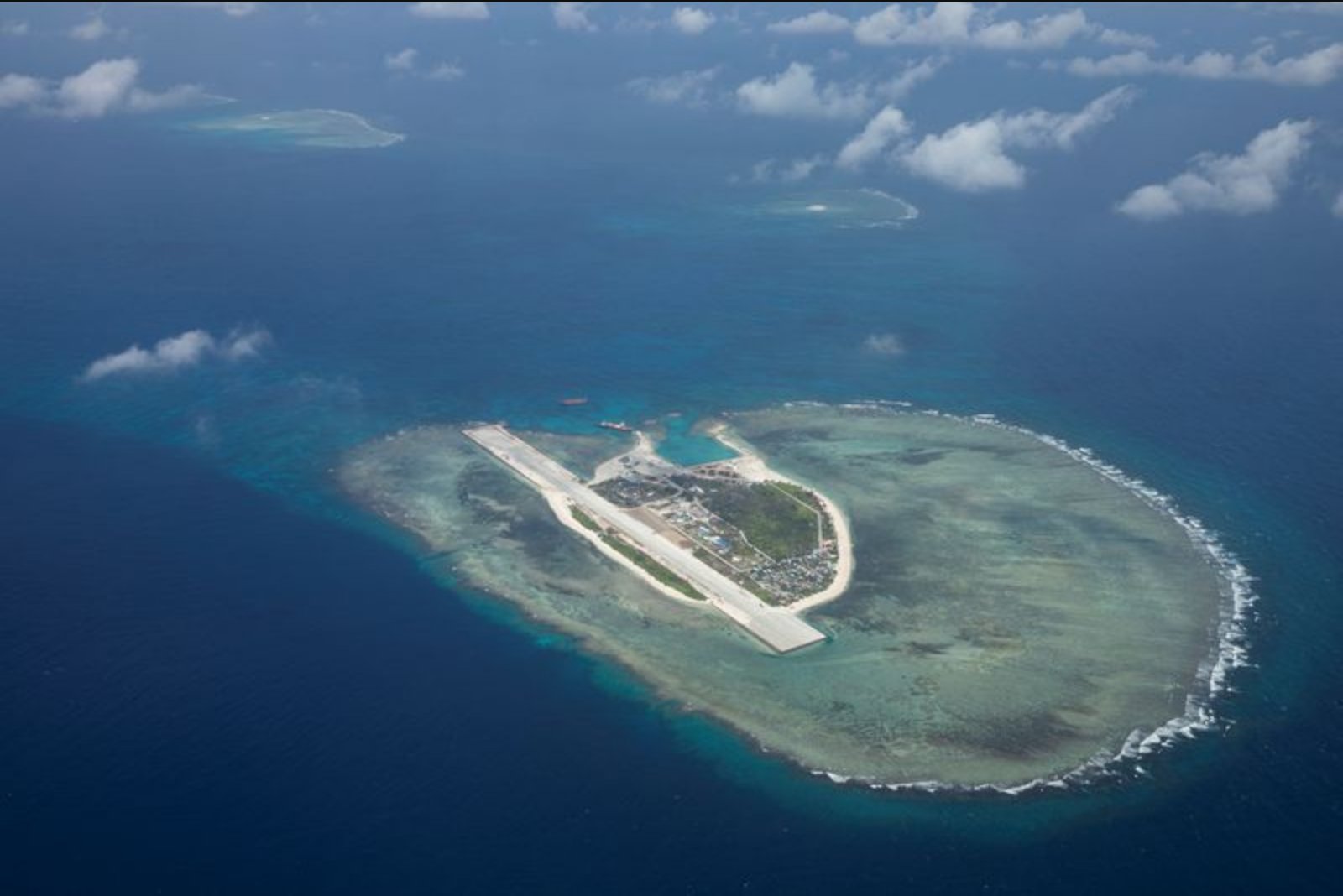
The Philippines hosted the United States and Australia for a four-day maritime exercise in the South China Sea from April 9 to 12, bringing together naval vessels, fighter aircraft and maritime surveillance platforms in coordinated operations designed to bolster maritime defence readiness.

Manila said the drills demonstrated "deepening defence cooperation among the three nations and their shared commitment to regional security." Philippine forces deployed FA-50 fighter jets to the exercises. Australia contributed P-8A Poseidon maritime patrol aircraft, and the United States provided the USS Ashland, a dock landing ship, to participate in the operations.

Organisers described the activities as a series of coordinated operations intended to strengthen maritime defence capabilities through joint manoeuvres and shared practices between the participating militaries. The timing of the exercises places them just days before the larger annual Balikatan war games, scheduled to open on April 20. Balikatan - which translates as "shoulder-to-shoulder" - is a major bilateral exercise between Manila and Washington that this year will include Japan as a full participant rather than an observer, alongside Australia.

The drills occurred amid ongoing tensions between the Philippines and China in the disputed waterway. Manila and Beijing have exchanged accusations over several incidents in the South China Sea; one recent encounter cited by Philippine authorities involved Beijing firing flares at a Philippine Coast Guard aircraft.

Chinese officials have repeatedly objected to Philippine joint military activities with allied countries in the South China Sea, arguing that such drills increase tensions in the region. The Philippine statement framing the April exercises emphasised closer defence ties with the United States and Australia and presented the operations as a practical measure to enhance preparedness and interoperability among participating forces.

With Balikatan approaching, the multinational activity in the South China Sea highlights continuing focus by Manila and its partners on combined maritime and air capabilities, while also underscoring diplomatic friction surrounding joint military engagements in the disputed waters.

Risks

  • Beijing has protested joint military activities in the South China Sea, saying such drills heighten regional tensions - risk to regional security and diplomatic relations.
  • Incidents at sea, such as reported flare firing at a Philippine Coast Guard aircraft, underline the possibility of operational encounters that could disrupt maritime and aviation operations - risk to maritime transport and aviation sectors.
  • Growing frequency of multinational exercises may sustain geopolitical friction in the area, affecting defence planning and market perceptions in military and security-related industries.

More from World

Taiwan President to Attend King Mswati III Celebrations in Eswatini Apr 12, 2026 U.S. to Enforce Maritime Blockade of Iranian Ports After Islamabad Talks Stall Apr 12, 2026 Trump Attacks Pope Leo After Pontiff's Criticism of Foreign and Immigration Policies Apr 12, 2026 Sanchez Embarks on Fourth China Visit, Tests Spain's Balance Between Beijing and Washington Apr 12, 2026 Cleanup Begins on New Zealand's North Island as Cyclone Vaianu Moves Offshore Apr 12, 2026