
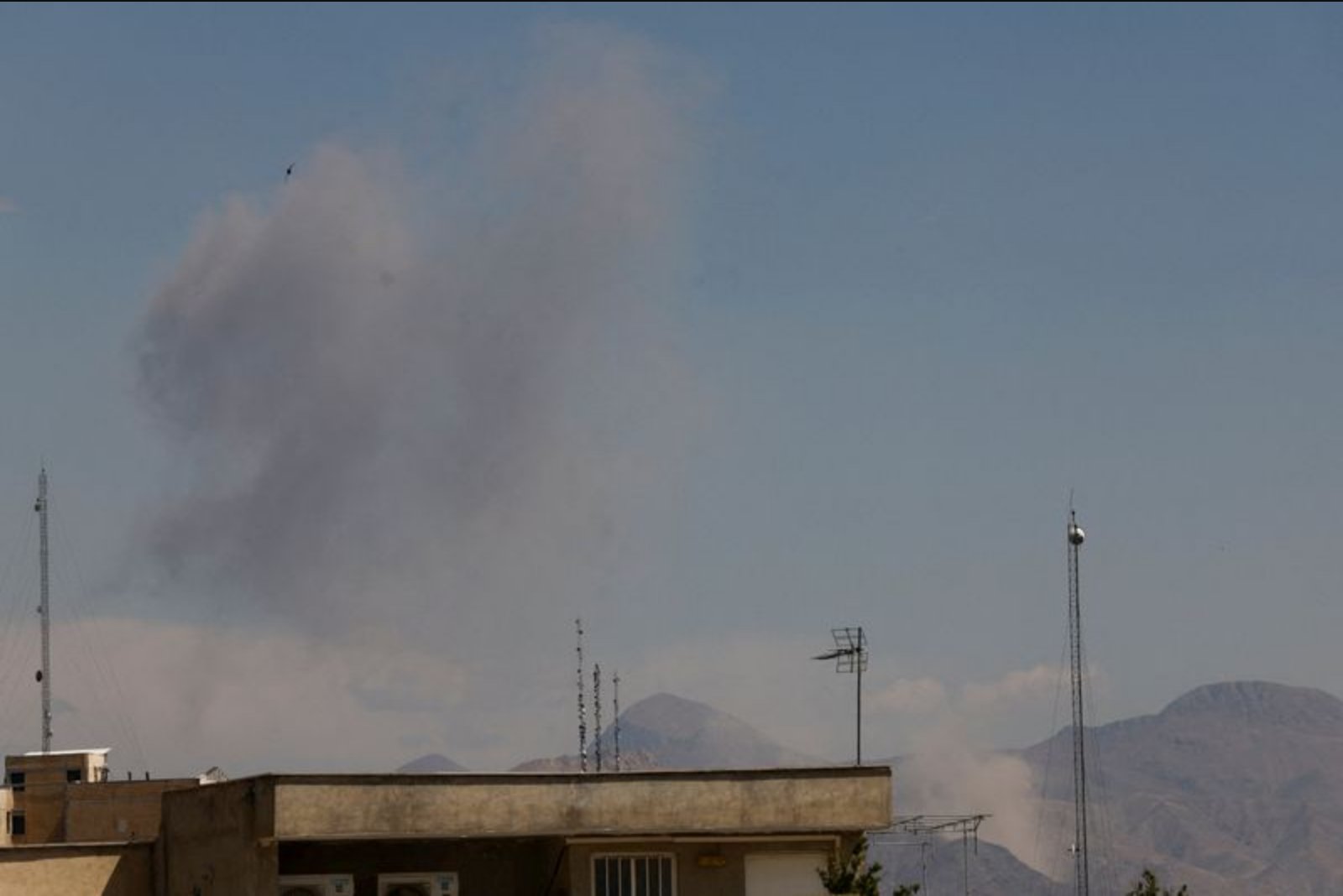
April 8 - The United States and Iran have confirmed a two-week cessation of hostilities following mediation by Pakistan. The announcement came from U.S. President Donald Trump less than two hours before a deadline he had set, which required Iran to reopen the Strait of Hormuz or face what he described as devastating attacks on its civilian infrastructure.
According to Mr. Trump, the ceasefire is contingent upon Iran reopening the narrow waterway. The Strait of Hormuz previously handled about a fifth of global oil shipments before the U.S. and Israel attacked Iran on February 28, a fact cited in statements surrounding the deal.
Iran’s Supreme National Security Council characterized the agreement as a triumph over the United States, saying that President Trump had accepted Iran’s conditions for ending hostilities. Pakistan’s Prime Minister Shehbaz Sharif said in a post on X that he had invited delegations from Iran and the United States to meet in Islamabad on Friday.
International reactions to the two-week pause have been swift and predominantly focused on the need to protect civilians, ease regional tensions, and restore maritime routes. Below is a selection of official responses released after the announcement.
United Nations
Stephane Dujarric, spokesman for UN Secretary-General Antonio Guterres, said:
"The Secretary-General welcomes the announcement of a two-week ceasefire by the United States and Iran. He calls on all the parties to the current conflict in the Middle East to comply with their obligations under international law and to abide by the terms of the ceasefire in order to pave the way toward a lasting and comprehensive peace in the region.
"The Secretary-General underscores that an end to hostilities is urgently needed to protect civilian lives and alleviate human suffering."
International Atomic Energy Agency
IAEA Director General Rafael Grossi said the agency "welcomes ... a return to diplomacy aimed at negotiating a settlement on key issues including Iran’s nuclear programme. The IAEA stands ready to support these efforts through its indispensable safeguards and verification role."
European and national leaders
British Prime Minister Keir Starmer said: "I welcome the ceasefire agreement reached overnight, which will bring a moment of relief to the region and the world. Together with our partners we must do all we can to support and sustain this ceasefire, turn it into a lasting agreement and reopen the Strait of Hormuz."
German Foreign Minister Johann Wadephul commented: "I welcome the decision of the warring parties for a ceasefire. This must be the decisive first step on the path towards lasting pacification, for the consequences of continuing the war would be incalculable. Germany will support this path of diplomacy to the best of its ability."
EU foreign policy chief Kaja Kallas said: "The U.S.-Iran agreement on a ceasefire is a step back from the brink after weeks of escalation. It creates a much-needed chance to tone down threats, stop missiles, restart shipping and create space for diplomacy towards a lasting agreement. The Strait of Hormuz must be open for passage again."
European Commission President Ursula von der Leyen added: "I welcome the two-week ceasefire the U.S. and Iran agreed last night. It brings much needed de-escalation. Now it is crucial that negotiations for an enduring solution to this conflict continue."
Regional and other international voices
The Indian Ministry of External Affairs said: "We welcome the ceasefire reached and hope that it will lead to a lasting peace in West Asia. As we have continuously advocated earlier, de-escalation, dialogue and diplomacy are essential to bring an early end to the ongoing conflict." The ministry also observed that "the conflict has already caused immense suffering to people and disrupted global energy supply and trade networks. We expect that unimpeded freedom of navigation and global flow of commerce would prevail through the Strait of Hormuz."
Spanish Prime Minister Pedro Sanchez offered a cautious welcome, saying: "Ceasefires are always good news. Especially if they lead to a just and lasting peace. But this momentary relief cannot make us forget the chaos, the destruction and the lives lost.
"The Government of Spain will not applaud those who set the world on fire just because they show up with a bucket. What’s needed now: diplomacy, international legality and PEACE."
The ceasefire announcement and the collection of international reactions underscore the immediate diplomatic effort to reduce violence, restore navigation through the Strait of Hormuz, and begin negotiations aimed at longer-term resolution. Pakistan’s initiative in hosting talks and the explicit linkage in the announcement between the ceasefire and the reopening of the Strait place maritime commerce and global energy flows at the center of short-term priorities for both negotiating parties and the international community.
For now, officials and international organizations have framed the two-week halt in hostilities as an initial window for diplomacy. The statements collected highlight common themes: the protection of civilians, adherence to international law, and the need to convert a temporary cessation of fighting into a durable settlement that ensures the safe passage of commercial shipping.