
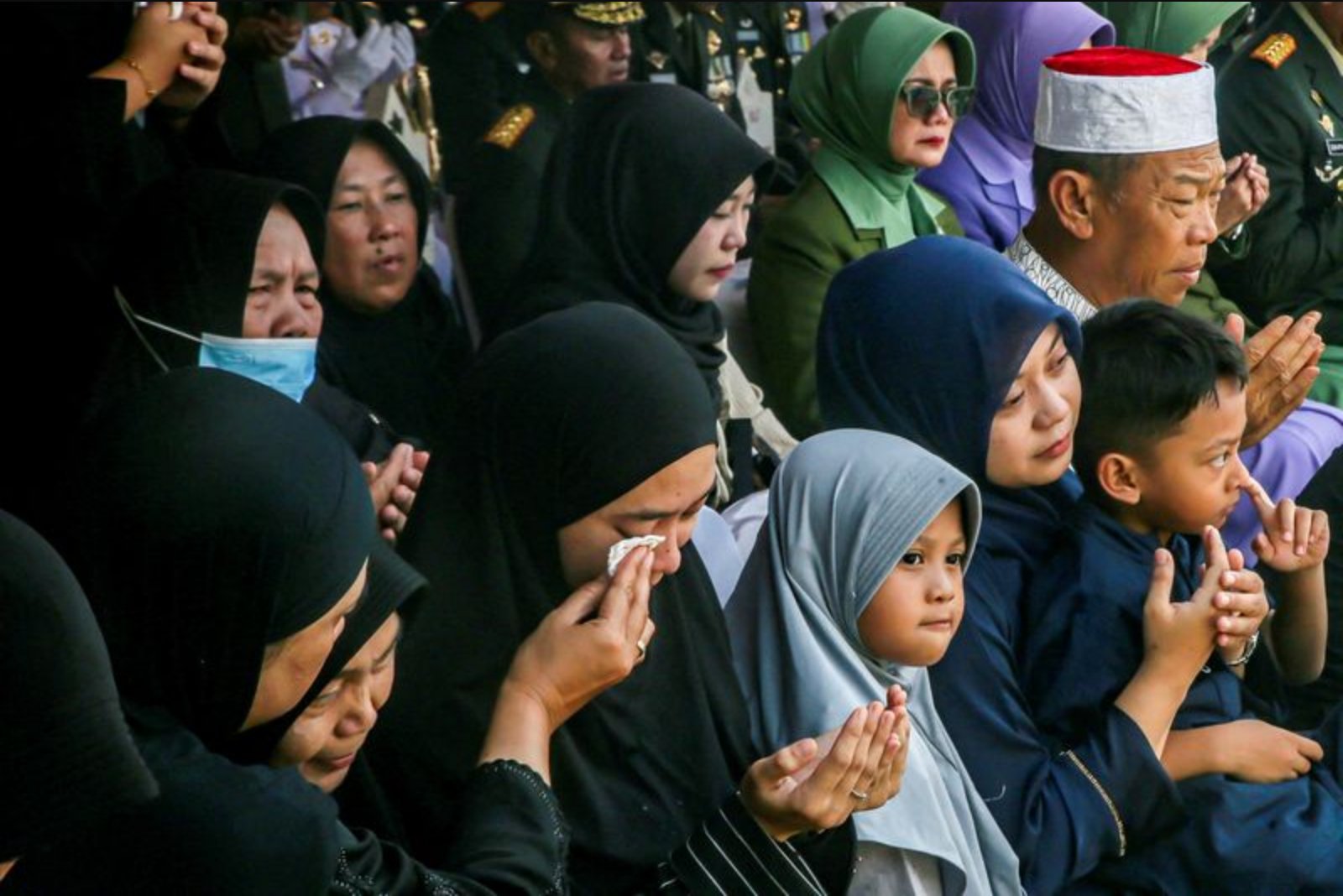
April 7 - Preliminary results from a United Nations inquiry into the deaths of three Indonesian peacekeepers in southern Lebanon point to two different causes, the U.N. said on Tuesday.
According to the U.N., initial physical evidence suggests one of the peacekeepers was killed by a projectile fired from an Israeli tank. The other two were killed by an improvised explosive device that the probe concluded was most likely placed by Hezbollah. The findings were described as preliminary and based on early physical evidence, with a fuller investigative process continuing and involving engagement with the parties concerned.
U.N. spokesperson Stephane Dujarric, speaking at a news briefing, called the incidents unacceptable and noted that they could amount to war crimes under international law. He said the United Nations has requested that national authorities investigate and prosecute the cases so those responsible can be brought to justice.
The three Indonesian peacekeepers were killed in two separate incidents on March 29 and March 30 in southern Lebanon. Their deaths came after a violent weekend in which Lebanese journalists and medics were also reported killed in Israeli strikes, the U.N. statement noted.
Separately on Tuesday, bombardment in southern Lebanon forced a humanitarian convoy to turn back. The convoy had been organized by the Vatican's embassy to deliver aid to a besieged Christian town, a local priest reported. The bombardment prevented the convoy from reaching its intended destination and caused it to abandon its mission.
Also on Tuesday, a spokesperson for the United Nations Interim Force in Lebanon, commonly known as UNIFIL, said the Israeli military had blocked a UNIFIL logistics convoy and briefly detained one of its peacekeepers. UNIFIL spokesperson Kandice Ardiel described any detention of a United Nations peacekeeper as a blatant violation of international law. The Israeli military informed UNIFIL that it had launched an investigation into the detention.
The U.N. emphasized that the probe into the three peacekeepers' deaths remains ongoing and that its preliminary character means conclusions could evolve as further evidence and engagement with involved parties proceed.
Context and next steps
The U.N. has asked national authorities to take up investigations and pursue prosecutions where warranted. The organization continues to engage with the parties concerned as its formal fact-finding process advances.