
World April 9, 2026 01:40 PM

U.N. Envoy Holds Talks in Tehran, Inspects Civilian Damage Amid Ongoing Peace Efforts

Jean Arnault meets Iranian deputy foreign minister and visits sites hit in recent air strikes as regional outreach continues

By Sofia Navarro
U.N. Envoy Holds Talks in Tehran, Inspects Civilian Damage Amid Ongoing Peace Efforts

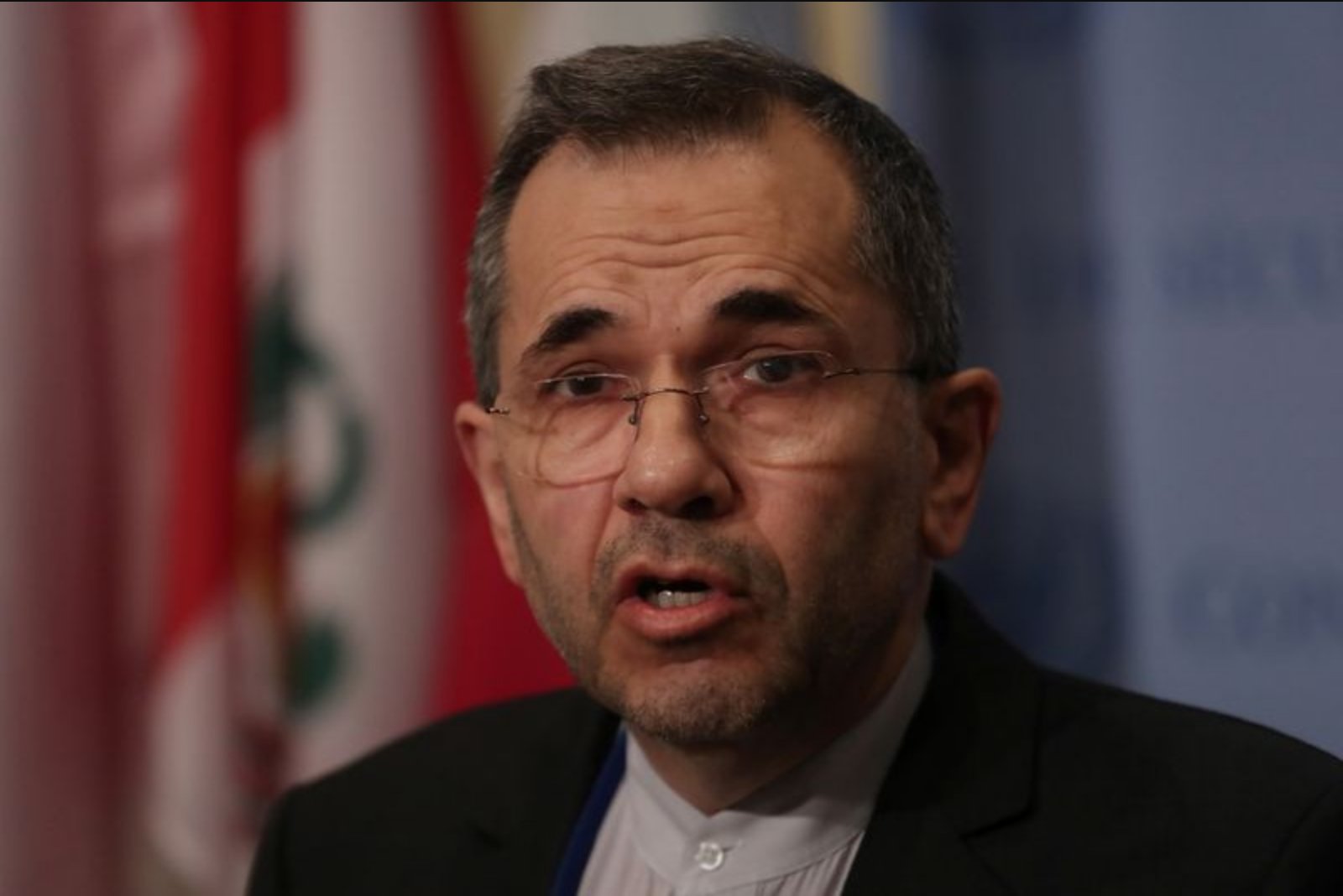
U.N. Secretary-General Antonio Guterres’ personal envoy Jean Arnault met Iran’s Deputy Foreign Minister Majid Takht-Ravanchi in Tehran and held discussions with Iranian Red Crescent representatives. Arnault also visited civilian locations struck in recent air raids, including a university and a destroyed apartment building. The U.N. says Arnault will press ahead with a regional tour aimed at supporting efforts to reach a comprehensive and durable resolution to the conflict, and is expected to visit Pakistan in the coming days, though travel plans remain fluid.

Key Points

  • Jean Arnault, U.N. Secretary-General's personal envoy, met with Iran's Deputy Foreign Minister Majid Takht-Ravanchi in Tehran and also consulted with Iranian Red Crescent representatives.
  • Arnault inspected civilian sites hit in recent air strikes, including a university and a destroyed apartment block, highlighting humanitarian concerns connected to the conflict.
  • The envoy will continue a regional tour across the Middle East and is expected to visit Pakistan in the coming days to support ongoing efforts toward a comprehensive and durable resolution; travel plans remain fluid.

Jean Arnault, the personal envoy of U.N. Secretary-General Antonio Guterres, met with Iran's Deputy Foreign Minister Majid Takht-Ravanchi in Tehran on Thursday as part of a U.N. initiative to help end the Iran war, the United Nations said.

During his visit to the Iranian capital, Arnault held talks with representatives of the Iranian Red Crescent and inspected civilian sites damaged in recent air strikes. U.N. spokesperson Stephane Dujarric, speaking at a regular briefing in New York, said the sites visited included a university and an apartment block that had been destroyed.

Dujarric said Arnault "heard views on the way forward and reiterated the secretary-general's firm commitment to making every possible effort to support a peaceful settlement of this conflict." The spokesperson described the envoy's meeting with the deputy minister as "substantive," and added that Arnault hopes to continue consultations.

The U.N. confirmed that Arnault will continue a wider regional tour, with several additional visits in the Middle East intended to bolster ongoing efforts toward "a comprehensive and durable resolution to this conflict," Dujarric said. The United Nations also indicated that Arnault was expected in coming days to visit Pakistan, which the U.N. said facilitated the ceasefire between the United States and Iran and has been preparing for a first round of U.S.-Iran talks.

On the status of the envoy's plans, Dujarric cautioned that Arnault's travel schedule was currently "a moving target," while noting that the envoy has been exploring the constructive role the United Nations could play in advancing peace. "We expect him to stay a little bit longer in Tehran, but obviously, things shift quite quickly," Dujarric added.


Context and next steps

The United Nations framed Arnault's mission as part of a broader push to support diplomatic channels that could lead to negotiations and a lasting settlement. The U.N. reiterated the envoy's intention to continue consultations both in Tehran and elsewhere in the region as he seeks to identify possible contributions the world body might make to peace efforts.

On-the-ground observations

Arnault's visits to damaged civilian infrastructure, including an educational institution and a residential building, underline the humanitarian dimensions of the conflict that the U.N. mission is addressing through its outreach and consultations.

Risks

  • Arnault's travel itinerary is described as a "moving target," creating uncertainty about the timing and scope of diplomatic consultations - this affects diplomatic engagement and the pace of any negotiation efforts.
  • Damage to civilian infrastructure, such as a university and an apartment block, underscores humanitarian risks and potential further civilian harm in affected areas - this impacts humanitarian response and related sectors.
  • Ongoing consultations without guaranteed outcomes leave the prospect of a negotiated settlement uncertain, which may sustain regional geopolitical instability and related market sensitivities.

More from World

Starmer Says Iran Conflict Must Mark a Break for Britain; Plans to Bolster Economy and Defence Apr 9, 2026 Trump Considered Pulling Some U.S. Forces from Europe Amid Frictions with NATO Allies Apr 9, 2026 Pakistan’s high-stakes push to broker Iran-U.S. truce exposes diplomatic tightrope Apr 9, 2026 LA28 Launches Global Olympic Ticket Sales After Record Local Presale Apr 9, 2026 U.S. Fertility Rate Falls to Record Low in 2025; Births Drop to About 3.6 Million Apr 9, 2026