
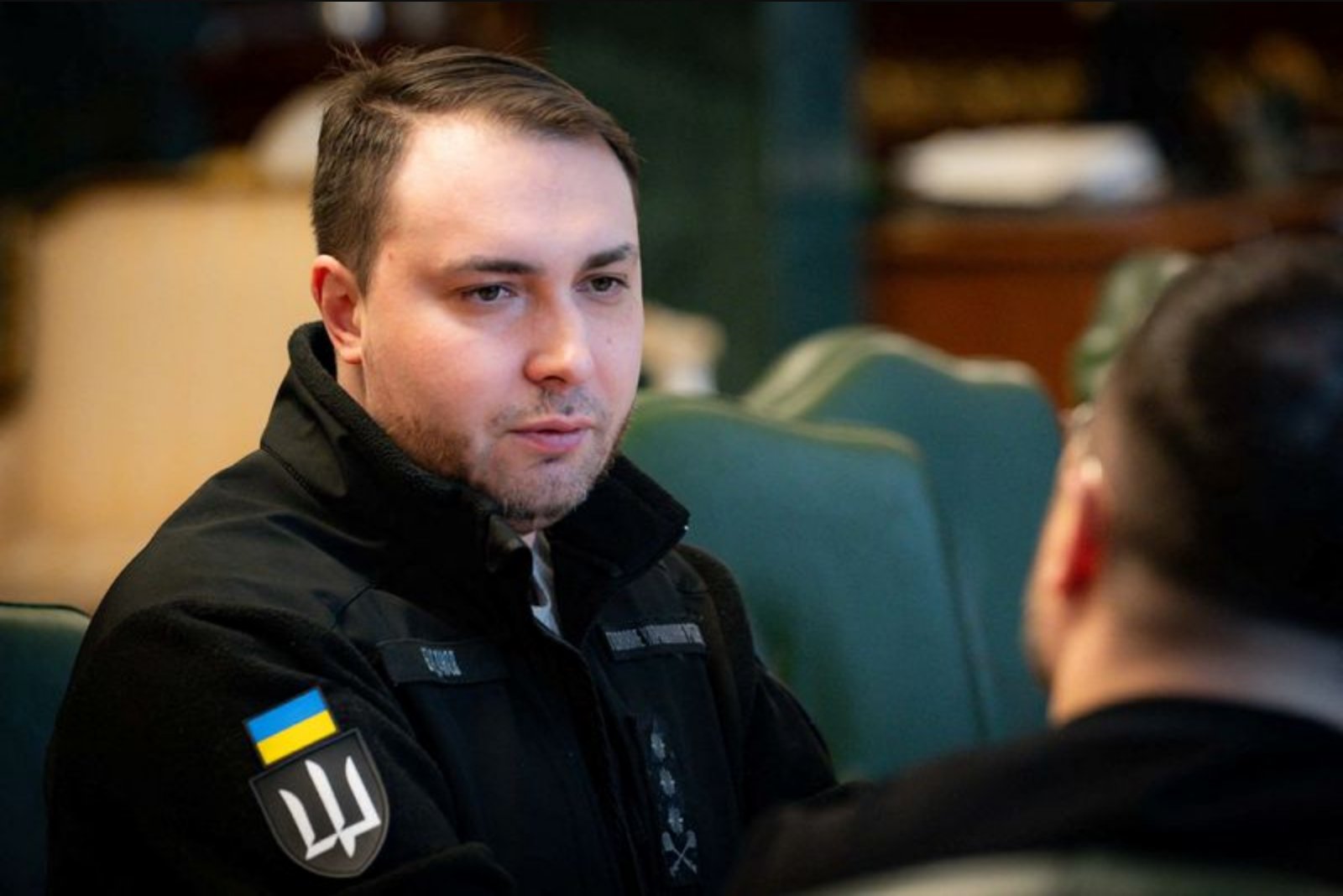
KYIV, April 10 - Ukrainian and Russian negotiators have reportedly advanced toward a potential agreement to end the war, according to comments from Kyrylo Budanov, the top aide to President Volodymyr Zelenskiy and a principal Ukrainian negotiator.
Budanov, a former head of Ukraine’s military intelligence who was appointed head of the president’s office in January, told Bloomberg he has seen progress in talks between Kyiv and Moscow but declined to outline how any territorial compromise might be structured, an issue that remains a central point of contention between the parties.
"No final decision has been made yet," he said, according to the report. "But, in principle, everyone now clearly understands the limits of what is acceptable. That’s enormous progress."
In an interview with Bloomberg on April 4, Budanov added: "They all understand the war needs to end. That’s why they are negotiating. I don’t think it will be long." He has emerged as a key figure during U.S.-brokered talks between Kyiv and Moscow.
Despite multiple rounds of negotiations earlier this year, the only concrete outcome to date has been the exchange of prisoners of war. In March, the two sides completed a swap of 500 POWs. Ukrainian officials said another exchange was possible ahead of Orthodox Easter this weekend.
On the religious holiday, Russia announced a 32-hour ceasefire over two days and Ukraine agreed to a reciprocal pause in fighting. The Kremlin said the ceasefire would run from Saturday at 4 p.m. (1300 GMT) to midnight (2100 GMT) on Sunday.
Budanov characterized the negotiating positions of Kyiv and Moscow so far as "maximalist," but said he believed the stances would draw closer as both sides seek a compromise. Territorial control remains the principal obstacle: Russia is demanding that Ukraine withdraw from parts of the Donbas that Kyiv still controls, a step Ukraine has refused to take.
President Zelenskiy has indicated that a fresh trilateral meeting of negotiating teams could be arranged soon, noting that the cessation of hostilities between the U.S. and Iran in the Middle East influenced the diplomatic landscape. He also warned that spring and summer will present difficulties for Ukraine, including intensified battlefield pressure and diplomatic efforts to bring the war to an end.
For now, the talks have produced limited, tangible results beyond prisoner exchanges and temporary ceasefires. Negotiators and officials on both sides continue to articulate firm positions even as they engage in discussions that officials say are moving toward a clearer understanding of acceptable parameters for an eventual settlement.
Contextual note: The statements and developments reported here were provided by Ukrainian officials and quoted from Budanov's interview; they reflect the current state of negotiations as described by those officials.