
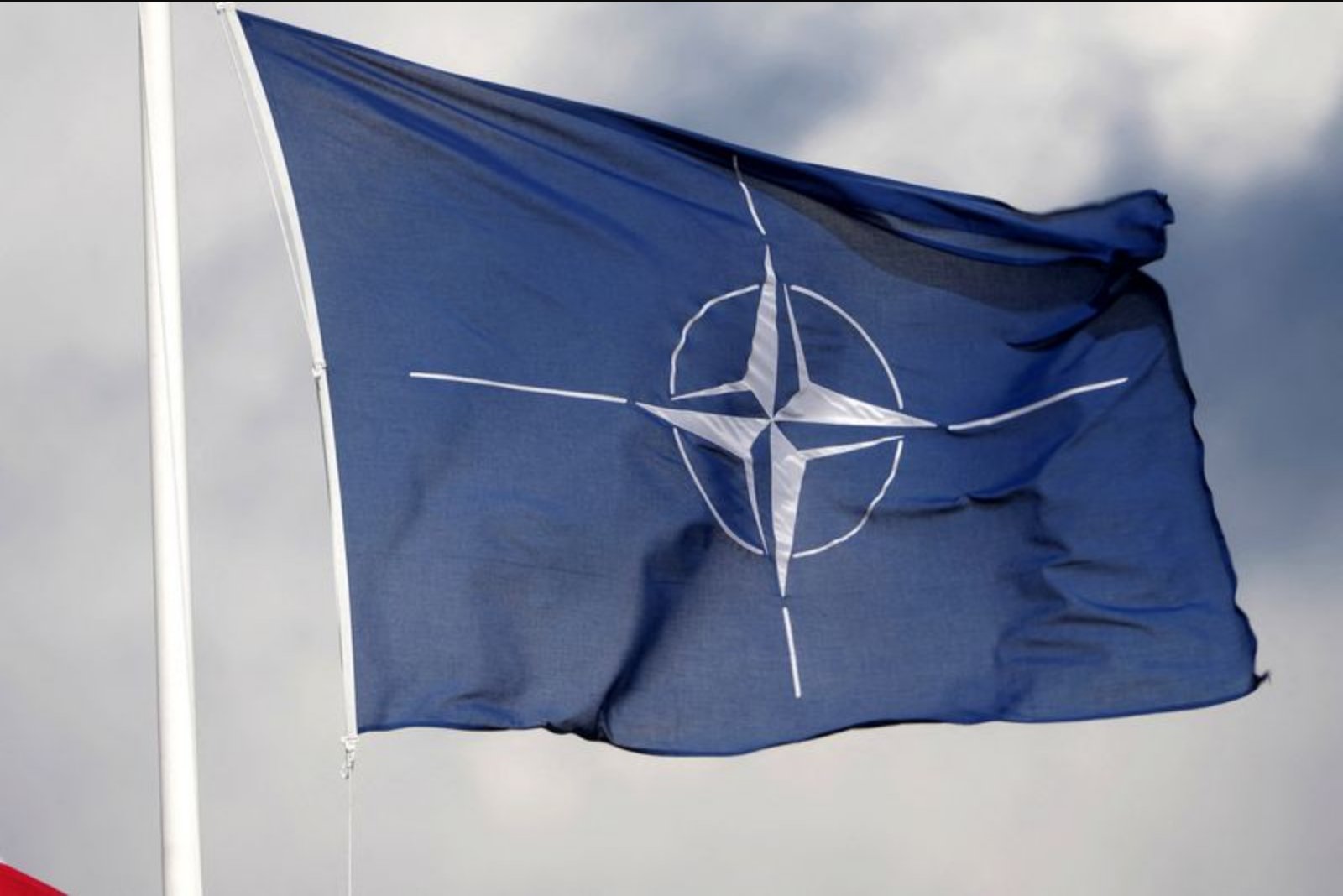
Turkey has called on NATO allies to use the alliance's July summit in Ankara as an occasion to formalize and stabilise relations with U.S. President Donald Trump, while also preparing for a potential scaling back of American involvement in NATO structures.
Foreign Minister Hakan Fidan said Ankara believed Mr. Trump would take part in the NATO leaders' gathering on July 7-8 because of his "personal respect" for President Tayyip Erdogan, even as he acknowledged that the U.S. president appeared otherwise reluctant to attend.
Mr. Trump has voiced criticism of NATO for several years, and last week he escalated those tensions by threatening to withdraw the United States from the alliance over what he described as European members' refusal to send ships to unblock the Strait of Hormuz near Iran. That development added to strains inside the bloc following his earlier plans to acquire Greenland.
Speaking to the state-owned Anadolu news agency, Fidan said NATO partners had long dismissed Mr. Trump's criticisms as rhetorical, but were now factoring the prospect of reduced U.S. engagement into their planning and boosting their own defensive capacities.
"NATO countries need to turn this Ankara Summit into an opportunity to put ties with the United States on a systematic basis," Fidan said.
"If there will be a U.S. withdrawal from some NATO mechanisms, there needs to be a plan and programme to phase this out so nobody is left in the open," he added.
The call for clearer, systematic arrangements ahead of the summit comes amid wider discussion of Washington's stance toward the alliance. NATO Secretary General Mark Rutte has said he understood Mr. Trump's frustrations with the alliance, while noting that the "large majority of European nations" had supported Washington's war effort in Iran.
In addition to Fidan's remarks, a senior White House official told Reuters last week that, as part of his dissatisfaction with NATO, Mr. Trump had also weighed the option of removing some U.S. troops from Europe.
Ankara's appeal frames the July meeting as both a diplomatic opportunity to reset relations with the United States and a practical moment for allies to design contingency measures in case American participation in certain NATO mechanisms is reduced. The Turkish foreign minister's comments underline that allies are moving from treating criticism as mere rhetoric to active contingency planning and capacity buildup.
Turkey's message to NATO places emphasis on coordinated planning and the need to avoid gaps in collective defence if U.S. involvement changes. How allies respond to that call will shape preparations and capabilities ahead of the July summit in Ankara.