
Overview
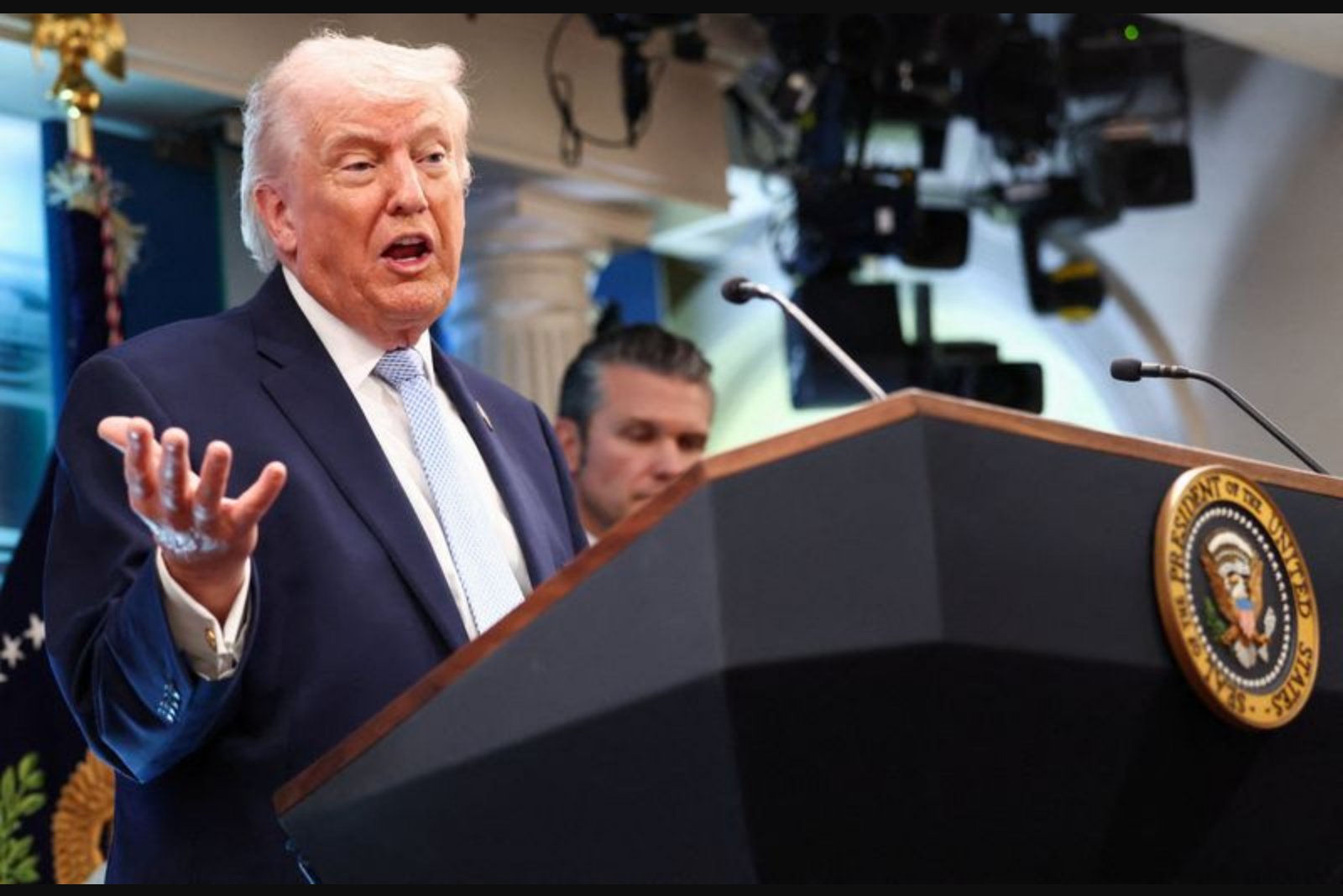
President Donald Trump’s stark online warning that entire Iranian civilization could be destroyed if Tehran failed to bow to his terms drew sharp international rebukes and stirred concern among some Republican officials and aides inside the administration. The message appeared roughly 12 hours before the 8 pm ET (2400 GMT) deadline the president set for Iran to accept U.S. conditions.
In a post published early Tuesday, Trump wrote: "A whole civilization will die tonight, never to be brought back again. I don’t want that to happen, but it probably will." The post followed a period of escalating threats and military action surrounding heightened tensions in the Middle East.
Global and Domestic Reactions
World leaders and international representatives responded forcefully. Democratic lawmakers in the U.S. Congress labeled the president "completely unhinged," and Iran’s ambassador to the United Nations called the threat "deeply irresponsible" and "profoundly alarming." Pope Leo said threats against the population of Iran are "unacceptable."
Some Republican voices rallied to the president’s stance. The Senate Republican Conference posted on social media, "It’s about time we had a President willing to defend Americans." Other conservatives and commentators defended the administration’s posture, framing it as necessary firmness.
White House Framing and Internal Views
Inside the West Wing, two officials who spoke on the condition of anonymity told reporters that the president’s forceful language was generally interpreted by aides as a negotiating ploy designed to compel Tehran to back down rather than a literal description of imminent plans to annihilate Iran or to use nuclear weapons. "He’s creating leverage through unpredictability," one official said. "He wants Tehran to blink."
According to those officials, several White House aides assisted in drafting the Tuesday morning post, but the particularly dramatic phrasing about ending a civilization came from the president himself. A second official acknowledged unease over the hard deadline and the high stakes attached to it.
U.S. Demands and Military Threats
Trump has demanded that Iran reopen the Strait of Hormuz, a vital global shipping route that the administration says Iran closed in response to U.S.-Israeli strikes. He has also demanded that Tehran cease support for militant proxies across the Middle East.
Unless Iran complies, the president warned, U.S. forces would target Iranian bridges and power plants. Some international law experts and world leaders criticized those threats as potentially illegal because the targets identified - bridges and power plants - are primarily civilian infrastructure.
White House spokeswoman Anna Kelly defended the administration’s posture, stating: "As President Trump has said, Iran can never have a nuclear weapon, and the Iranian people welcome the sound of bombs because it means their oppressors are losing. Greater destruction can be avoided if the regime understands the seriousness of this moment and makes a deal with the United States."
Political Fallout and Messaging Dynamics
Senate Democratic leaders issued a joint statement condemning the president’s rhetoric, calling it "unconscionable" to threaten the end of a civilization and arguing the remarks make Americans less safe, destabilize the country and economy, and put U.S. service members at greater risk.
The president has described the military action he authorized at different times with fluctuating language - calling the war a "short-term excursion" meant to address U.S. concerns swiftly, proclaiming at other moments that progress was "ahead of schedule" or asserting "we won," while also vowing not to stop until Iran is "decisively defeated." Aides said Trump's increasingly forceful phrasing reflects a desire to end an unpopular conflict quickly and to force the reopening of the Strait of Hormuz amid rising gasoline prices and economic concerns ahead of the November congressional elections.
One person close to the White House said there was "a lot of support" for the president’s messaging within the West Wing and that staffers were encouraging the approach.
Pushback from Within the President’s Party
The president’s statement threatening the end of Iran’s civilization prompted notable pushback from some Republicans. Senator Lisa Murkowski of Alaska, a frequent Trump critic, urged de-escalation in a social media post, saying both sides "must de-escalate their unprecedented saber-rattling before it is too late."
Media figures influential with the president’s base also criticized his tone. Tucker Carlson described the president’s rhetoric toward Iran, including an expletive-filled public remark on Easter, as "vile" on "every level."
Marjorie Taylor Greene, once among the president’s fiercest defenders, voiced alarm and suggested the possibility of invoking the 25th Amendment of the U.S. Constitution - the provision that permits the vice president and Cabinet to declare a president unable to discharge the duties of the office. Greene wrote on social media: "Not a single bomb has dropped on America. We cannot kill an entire civilization. This is evil and madness." The section of the amendment Greene referenced has never been invoked and would require majorities in Congress, a difficult prospect given Republican control of both chambers.
What Remains Unclear
While senior administration officials characterized the president’s language as a bargaining tactic, other elements remain uncertain, including how Tehran will respond to the deadline and whether the United States will follow through on threats to strike Iranian civilian-linked infrastructure. Critics highlighted legal and humanitarian concerns tied to those potential strikes, but the administration maintains that pressure is intended to bring Iran to the negotiating table.
As the deadline approached, the situation remained fluid, with domestic political implications for Republican leaders and potential economic consequences tied to the status of the Strait of Hormuz and global energy markets.
Conclusion
President Trump’s stark online pronouncement and the hard deadline it accompanied intensified an already volatile standoff with Iran. The rhetoric has drawn international condemnation, unease among some Republicans and staunch defense from other party members and White House spokespeople who say the approach is aimed at securing U.S. interests through pressure and unpredictability. Whether that strategy will produce Tehran’s acquiescence, escalate hostilities, or leave the parties in a prolonged standoff remains unresolved.