
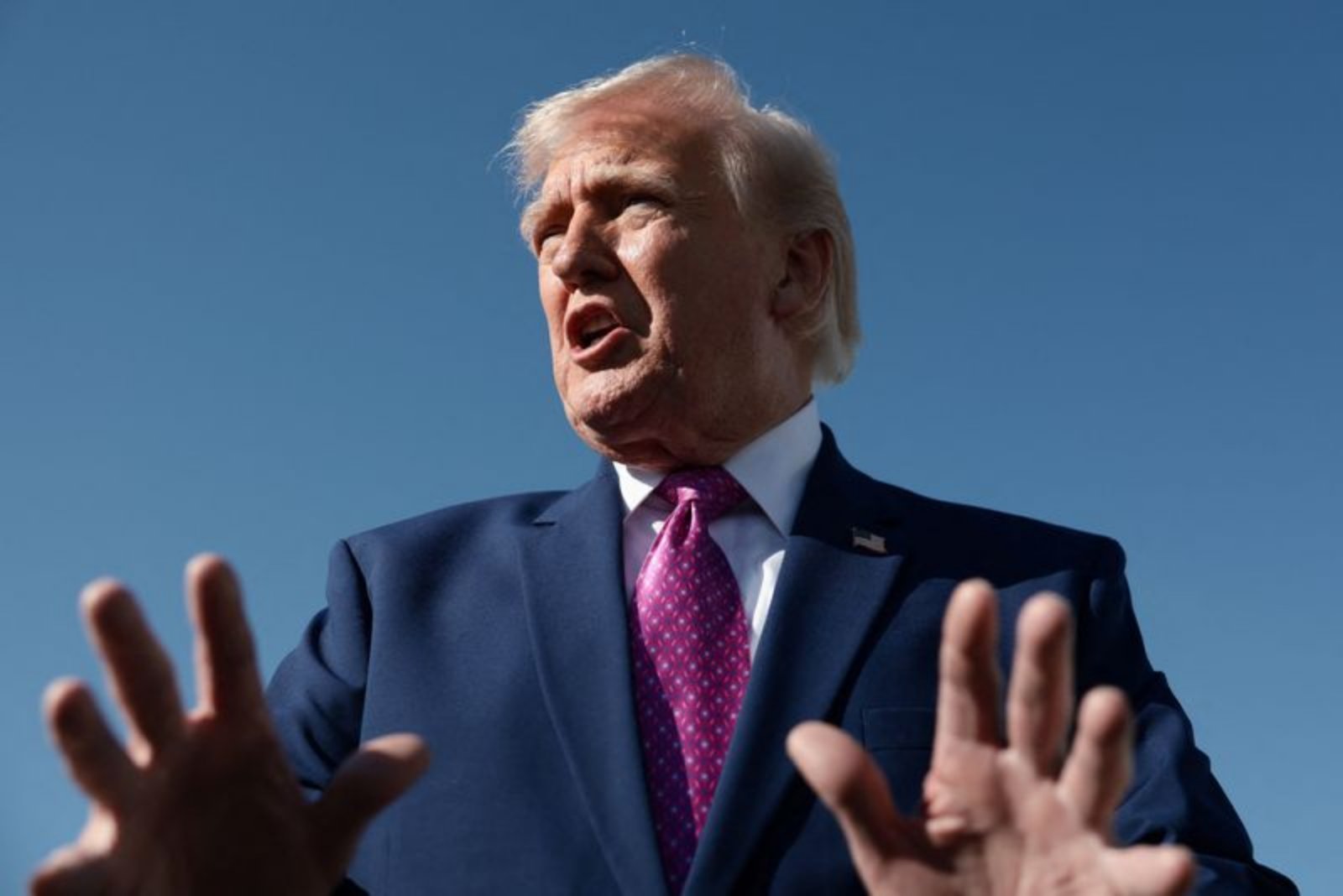
President Donald Trump said on Friday that the United States will have the Strait of Hormuz "open fairly soon," though he gave no further details on timing or tactics and conceded that the effort will be challenging.
Asked about international help, Trump suggested allies and other nations that use the strait were stepping forward but did not identify any by name. "Other countries use the strait. So we do have other countries coming up, and they’ll help out," he said. He added: "It won’t be easy ... I would say this - we will have that open fairly soon."
Blockade and supply impact
The waterway has been under a blockade by Tehran since the beginning of the Iran war, a move that has led to what officials described as the worst disruption to global energy supplies in history. The Strait of Hormuz is a strategic chokepoint for about 20% of the world's oil and liquefied natural gas shipments, and ship traffic through the channel has remained stalled.
Allied coordination and requests
Trump has expressed frustration with NATO allies over what he views as insufficient support in securing the strait. After meeting with the president, NATO Secretary-General Mark Rutte told European governments that the U.S. president wants concrete commitments to help secure the waterway within days.
Conflict context and market effects
The disruption follows a series of military actions across the region. The United States and Israel carried out strikes on Iran on February 28, and Iran retaliated with strikes on Israel and on U.S. bases in Gulf states. Subsequent U.S.-Israeli strikes on Iran and Israeli attacks in Lebanon have resulted in thousands of deaths and displaced millions, according to reports. The conflict has driven up oil prices and unsettled global markets.
On Tuesday, Trump announced a fragile ceasefire with Tehran; the declaration followed earlier statements in which he had threatened to destroy Iran's entire civilization. Despite the ceasefire announcement, commercial and energy-related shipping through the Strait of Hormuz has not resumed.
Looking ahead
The president's comments signal an intention to restore passage through one of the world's most important maritime routes, but they leave unanswered many operational and diplomatic questions. Trump acknowledged the difficulty of the operation and pointed to unspecified international support. For now, the blockade remains in place and global energy and shipping markets continue to feel the consequences.