
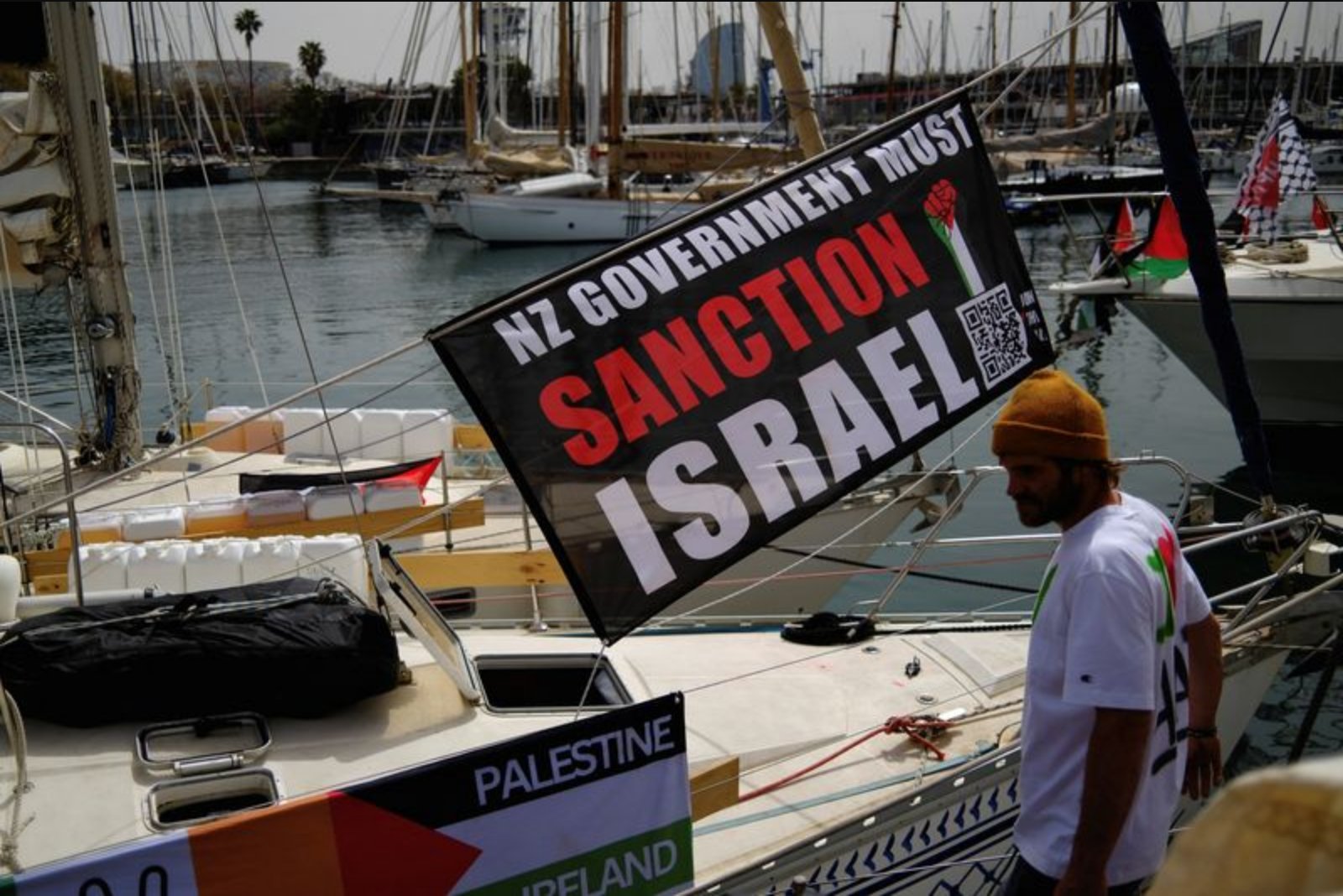
MADRID, April 12 - A second maritime convoy carrying humanitarian supplies for Palestinians in Gaza set out on Sunday from the Spanish port of Barcelona, organisers said, in another attempt to challenge Israel's control over access to the territory.
The group, calling itself the Global Sumud Flotilla, put about 30 boats to sea from the Mediterranean port city loaded with medical aid and other relief supplies. Flotilla organisers said additional vessels were expected to join the convoy as it proceeds along its planned route toward the Palestinian territory.
Organisers recalled that the Israeli military intercepted roughly 40 boats assembled by the same organisation during an attempt last October to reach blockaded Gaza. That intervention led to the arrest of Swedish activist Greta Thunberg and more than 450 other participants.
Israel, which controls all access to the Gaza Strip, rejects allegations that it withholds supplies for the territory's population of more than 2 million residents. Palestinians and international aid organisations, however, maintain that the volume of supplies reaching Gaza remains inadequate, even after a ceasefire reached in October that included assurances of increased aid flows.
Actor Liam Cunningham, who has voiced support for the flotilla but is not participating in the voyage, told Reuters: "Every kilogram of aid that is on these ships is a failure because all these people on these ships giving up their time to help their fellow human beings are doing what their governments are legally obliged to do."
The World Health Organization has said that even during armed conflicts, states are obligated under international humanitarian law to ensure that people are able to reach medical care in safety.
Saif Abukeshak, a Palestinian activist and a member of the flotilla's organising committee, described the mission's objective succinctly: "This is a mission that aims to open a humanitarian corridor so the aid delivery organisations can arrive."
Participants in last year's flotilla from Switzerland and Spain reported being held in what they described as inhumane conditions during their detention by Israeli forces. Those allegations were rejected by a spokesperson for the Israeli foreign ministry.
The organisers of the current convoy say the new departure is intended to press for more unhindered humanitarian access to Gaza by creating a civilian-led corridor for aid organisations. The flotilla's departure from Barcelona marks a renewed effort to draw international attention to the delivery of medical supplies and other essential relief items to the Palestinian enclave.