
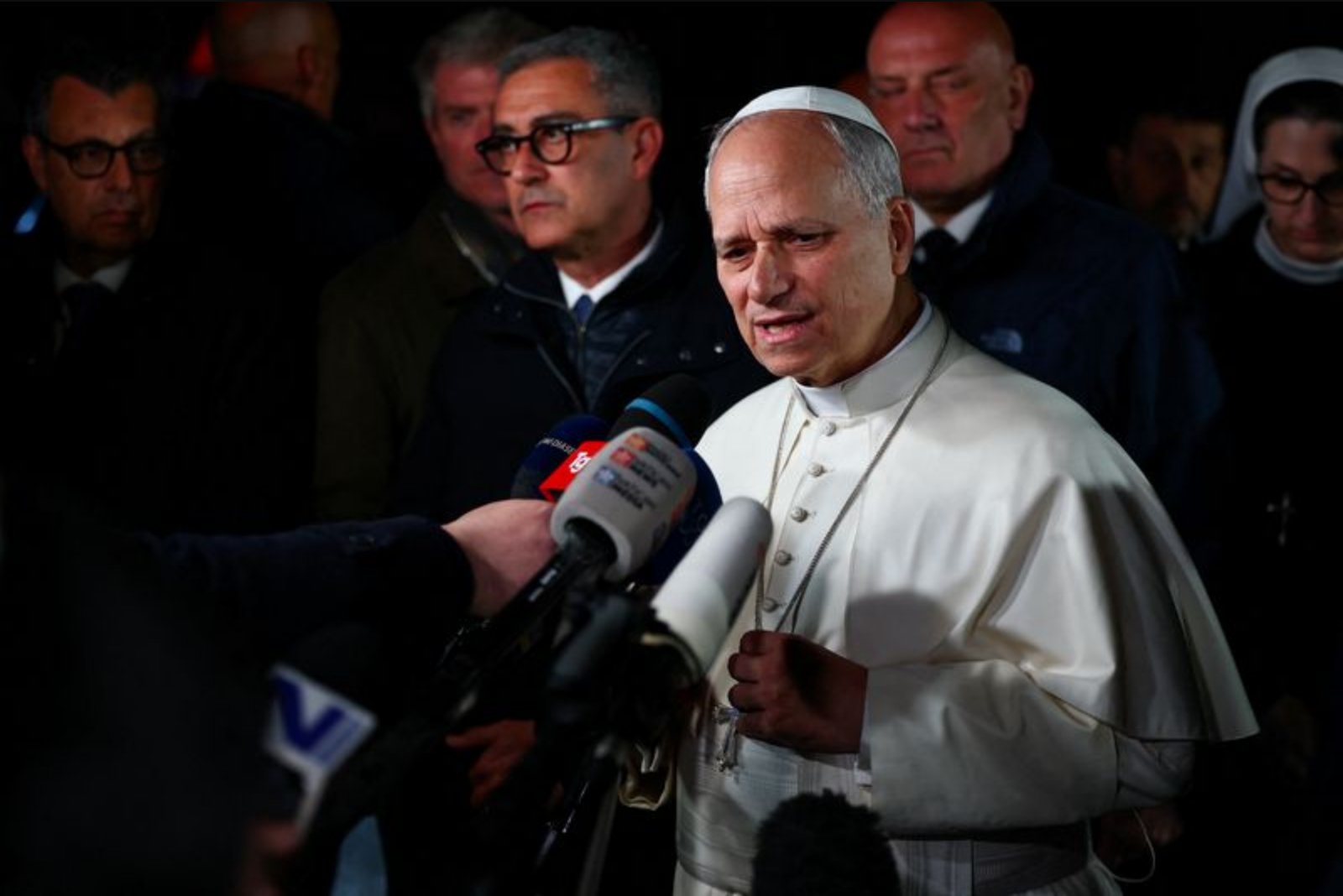
Pope Leo said on Tuesday that threats aimed at the population of Iran are "unacceptable," making an uncommon direct appeal in the wake of a social media post by U.S. President Donald Trump that declared "a whole civilization will die tonight." The pontiff's comments, delivered outside his residence in Castel Gandolfo, came hours after the post which drew condemnation from world leaders.
"Today, as we all know, there was this threat against the entire people of Iran, and this is truly unacceptable," the pope said. He characterized the issue as involving international law but said it is "even more than that, it is a moral question for the good of the (world’s) people."
Observers noted that it is uncommon for the pope - who leads 1.4 billion Catholics worldwide - to address a world leader directly. Leo has become an outspoken critic of the Iran war and has intensified his public appeals in recent weeks. Last week, he made a first direct plea to President Trump, urging him to find an "off-ramp" to bring the conflict to an end.
Speaking to reporters in Castel Gandolfo on Tuesday, the pope encouraged ordinary citizens across nations to contact their political representatives and press for measures to halt the expanding regional confrontation. "People want peace," he said. "I would invite the citizens of all the countries involved to contact the authorities - political leaders, congressmen - to ask them to work for peace."
Leo also reported that many have labeled the fighting an "unjust war," using language that signals opposition to hostilities on grounds consistent with the Catholic Church's strong pro-life stance. He urged people to "remember especially the innocent children, the elderly, the sick, so many people who have already become or will become victims of this continued warfare."
The pope added that strikes on civilian infrastructure "are against international law." His comments followed public statements by President Trump in which Trump threatened to destroy every bridge and power plant in Iran.
By speaking out, the pope sought to place moral and legal scrutiny on rhetoric and actions that target civilian populations and infrastructure, while mobilizing citizens to press elected officials to pursue peaceful solutions to the widening conflict.