
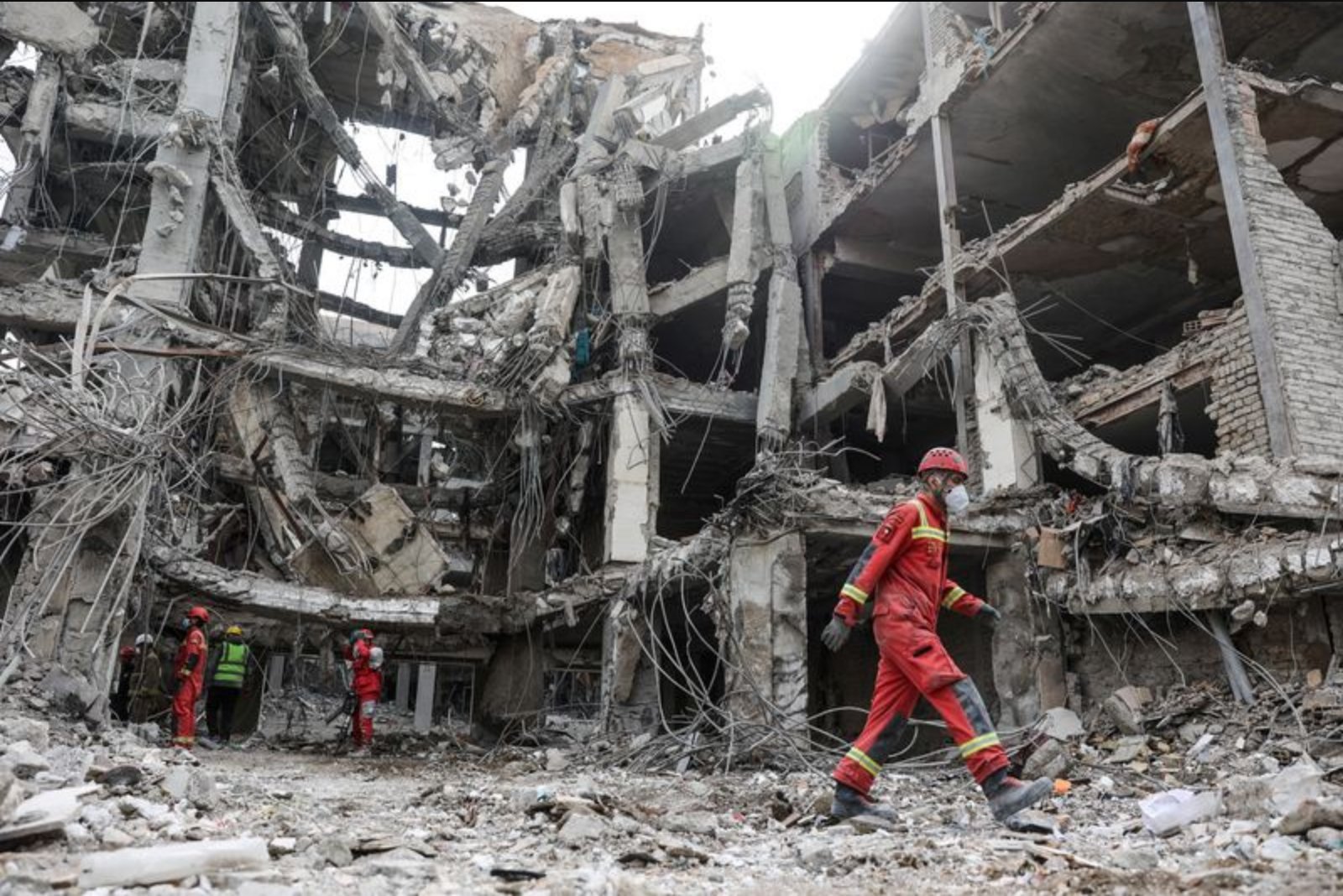
A Pakistan-developed proposal intended to halt current hostilities has been passed to both Iran and the United States and could take effect as early as Monday, a source familiar with the plan said. The framework, exchanged overnight, sets out a two-tier approach: an immediate ceasefire followed by negotiations toward a comprehensive agreement.
The source described the initiative as structured initially as a memorandum of understanding to be finalised electronically through Pakistan, which is serving as the sole communications channel in the talks. "All elements need to be agreed today," the source said, indicating an urgent timetable for sign-off.
According to the source, Pakistan's army chief, Field Marshal Asim Munir, has been in intensive contact "all night long" with senior U.S. and Iranian interlocutors, including U.S. Vice President JD Vance, U.S. special envoy Steve Witkoff and Iranian Foreign Minister Abbas Araqchi.
The proposal envisions a ceasefire taking effect immediately, with an outcome that would quickly reopen the Strait of Hormuz. The framework allows approximately 15-20 days after the ceasefire to finalise a broader settlement. The tentative package has been referred to as the "Islamabad Accord," and would include a regional governance framework for the strait, with final in-person negotiations planned to take place in Islamabad.
There was no immediate response from U.S. or Iranian officials when the plan was circulated. Pakistan's foreign office spokesperson, Tahir Andrabi, declined to comment on the discussions.
Media reports have indicated that a possible 45-day ceasefire has also been discussed by the United States, Iran and regional mediators as part of a two-phase arrangement that could potentially lead to a permanent end to the conflict. Those reports referenced U.S., Israeli and regional sources describing such discussions.
Iranian officials have previously indicated they are seeking a permanent ceasefire underwritten by guarantees that they will not face further attacks from the United States and Israel. Iranian authorities have said they have received messages from mediators including Pakistan, Turkey and Egypt.
The source involved in the current proposal said the final agreement is expected to incorporate Iranian commitments not to pursue nuclear weapons in return for sanctions relief and the unfreezing of assets. The source framed these trade-offs as part of the broader bargain envisioned in the post-ceasefire negotiations.
Despite intensified outreach by both civilian and military channels, two Pakistani sources told the source that Iran had not yet formally committed to the plan. "Iran has not responded yet," one source said, noting that proposals backed by Pakistan, China and the United States for a temporary ceasefire had so far drawn no commitment.
There was also no immediate response from Chinese officials to requests for comment, according to the information provided.
The diplomatic push comes amid rising hostilities that have heightened concerns about potential disruptions to shipping through the Strait of Hormuz, a critical artery for global oil supplies. Those concerns have contributed to increased volatility in energy markets, with traders closely monitoring any developments that might affect flows through the strait.
In recent days, U.S. President Donald Trump has publicly urged a rapid end to the conflict and warned of consequences if a ceasefire is not secured within a short timeframe. The evolving situation continues to be watched by market participants focused on energy and shipping, given the strait's significance for global oil transport.
Clear summary: Pakistan has circulated a two-stage plan to Iran and the United States calling for an immediate ceasefire and a follow-up comprehensive settlement. The initial ceasefire would aim to reopen the Strait of Hormuz promptly, with 15-20 days allocated to conclude a wider agreement under a memorandum of understanding facilitated electronically by Pakistan. Key regional and international actors have been contacted, but Iran has not yet committed.