
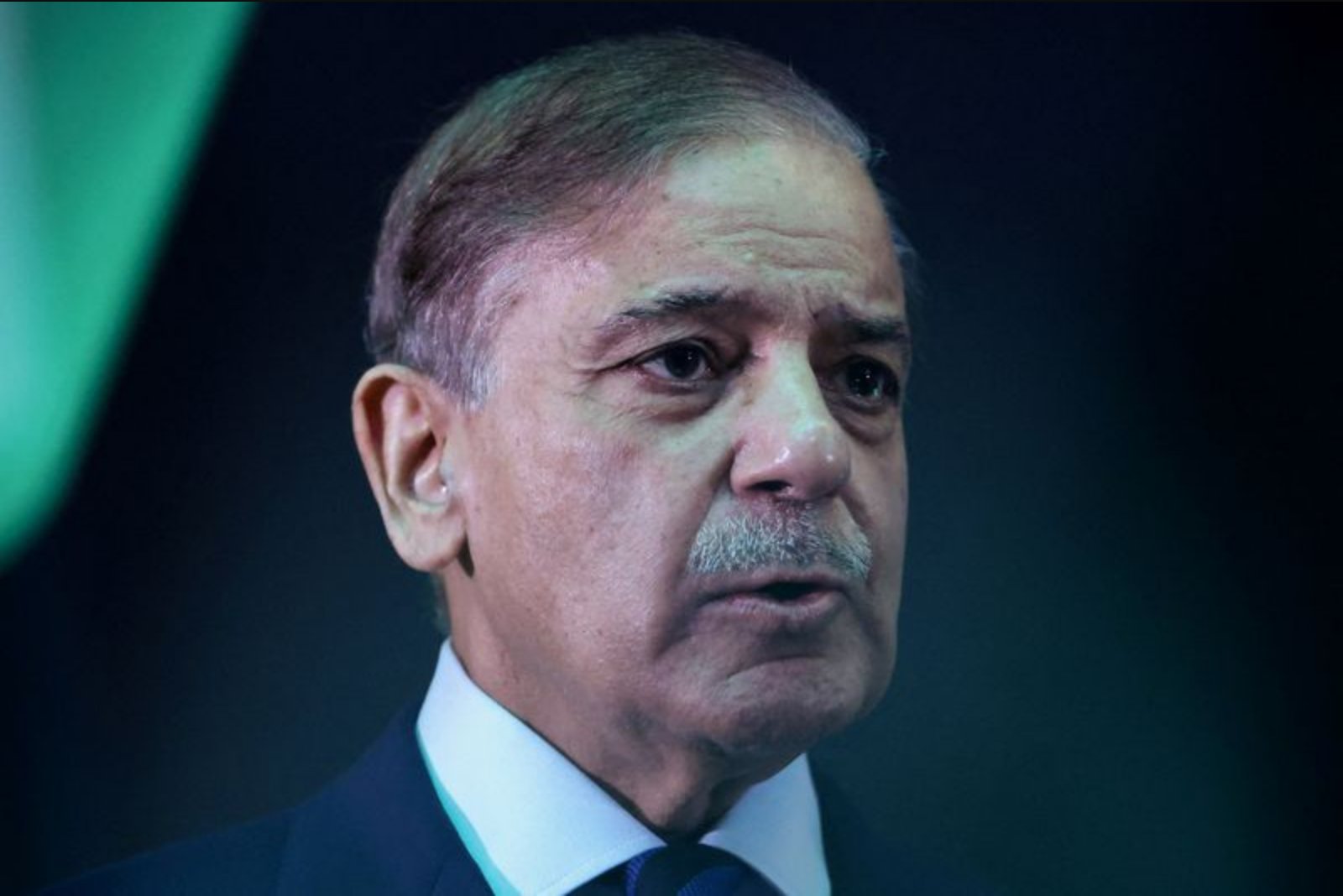
April 8 - Pakistan Prime Minister Shehbaz Sharif on Wednesday formally asked U.S. President Donald Trump to postpone by two weeks a deadline that the U.S. has given Iran to lift its blockade on oil shipments through the Gulf.
In a post on X, Sharif wrote: "To allow diplomacy to run its course, I earnestly request President Trump to extend the deadline for two weeks. Pakistan, in all sincerity, requests the Iranian brothers to open Strait of Hormuz for a corresponding period of two weeks as a goodwill gesture."
The deadline set by President Trump gives Iran until 8 p.m. EDT (0000 GMT) in Washington - 3:30 a.m. in Tehran - to end its blockade of Gulf oil or face what the president described as U.S. action to "destroy every bridge and power plant in Iran."
Sharif also appealed for a temporary cessation of hostilities. He urged "all warring parties" to observe a ceasefire everywhere for two weeks "to allow diplomacy to achieve conclusive termination of war" and said that diplomatic efforts to secure a peaceful settlement were "progressing steadily, strongly and powerfully with the potential to lead to substantive results in near future."
The White House did not immediately respond to a request for comment.
Sources said on Tuesday that talks between the U.S. and Iran were at risk of being derailed after Tehran launched attacks on Saudi Arabian industrial facilities. Pakistan has acted as the primary intermediary for proposals exchanged between Iran and the United States, but there has been no sign of a compromise so far.
Context and implications
The prime minister's appeal frames the two-week extension as a narrow window intended to permit diplomacy to continue uninterrupted. His request links the proposed pause to reciprocal action by Iran regarding passage through the Strait of Hormuz, and it includes an explicit call for a time-limited ceasefire to facilitate negotiations.
Current status
- No immediate response was reported from the White House.
- Sources cautioned that recent attacks on Saudi industrial facilities have placed the talks in jeopardy.
- Pakistan remains the principal intermediary, but a resolution between the parties has not been reported.