
World April 5, 2026

Keiko Fujimori Leads Peru’s Presidential Race as Voter Field Remains Fragmented

Three polls show Fujimori ahead a week before the vote; runoff on June 7 expected as no candidate is projected to secure a majority

By Sofia Navarro
Keiko Fujimori Leads Peru’s Presidential Race as Voter Field Remains Fragmented

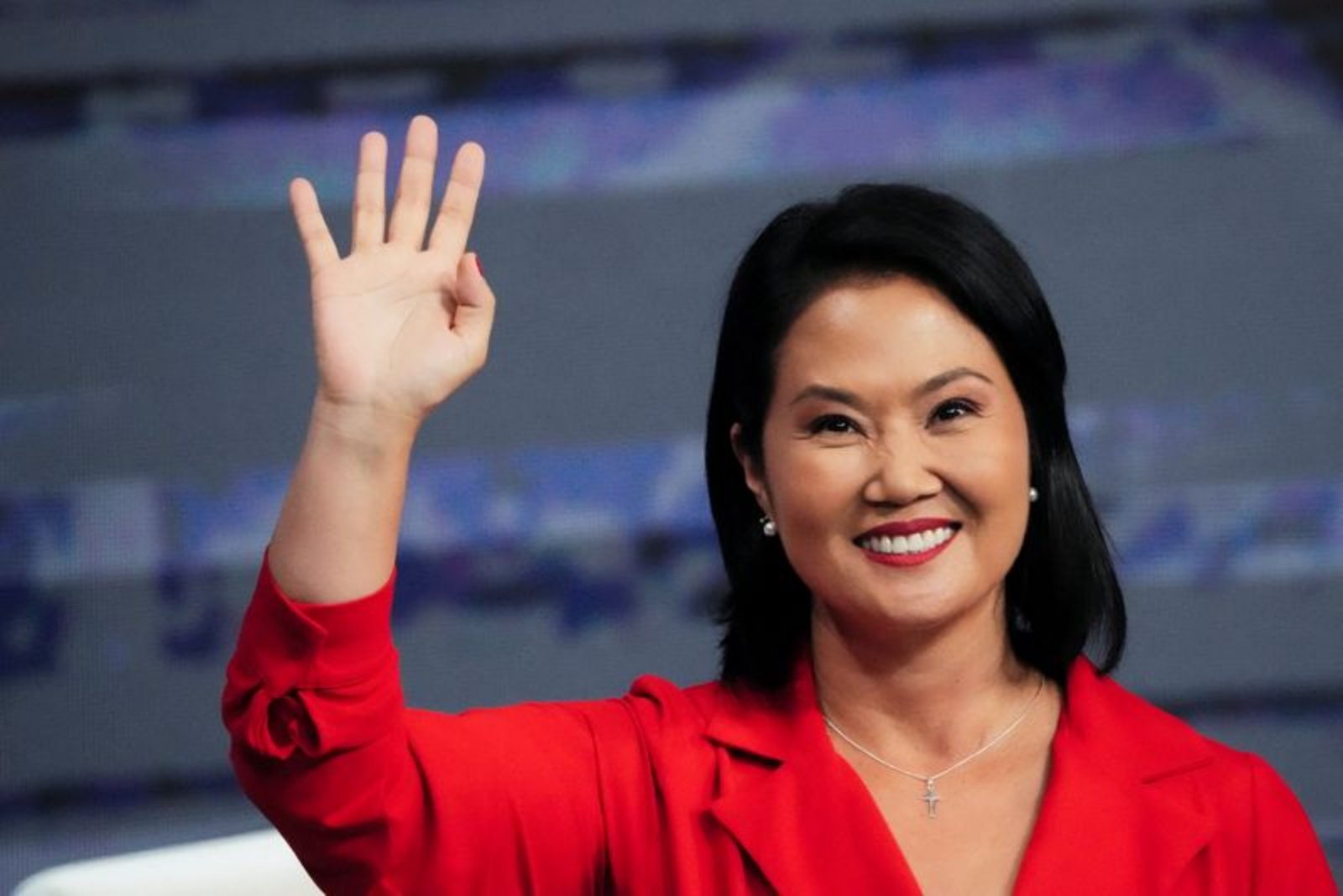
Three recent polls indicate right-wing candidate Keiko Fujimori heads the field one week before Peru’s presidential election. With a record 35 candidates running and no one expected to surpass 50% of the vote, a runoff on June 7 is widely anticipated. Polls show significant undecided voters and shifting positions among front-runners Carlos Alvarez and Rafael Lopez Aliaga.

Key Points

  • Three polls (Datum International, Ipsos Peru, Peruvian Market Research Company) place Keiko Fujimori first one week before the election.
  • Datum finds 16.8% of voters undecided (down from 23.9%); Fujimori at 14.5% (up from 13%); Carlos Alvarez at 10.9% (up from 6.9%); Rafael Lopez Aliaga at 9.9% (down from 11.7%).
  • A runoff on June 7 is expected since no candidate is projected to exceed 50% — a fragmented field with 35 candidates keeps the contest open.

With one week to go before Peru’s presidential election, three separate opinion surveys place Keiko Fujimori in first position among a crowded field of candidates. Because no contender is projected to win an outright majority, a second-round runoff is expected to be held on June 7.

Polling released on Sunday from Datum International, Ipsos Peru and the Peruvian Market Research Company all show Fujimori leading, though the surveys differ on which contender sits in second place.


Datum poll details

The Datum International poll reported key movements in voter intention. It found 16.8% of respondents remain undecided, down from a previous reading of 23.9%. Keiko Fujimori, 50, the daughter of former president Alberto Fujimori and a four-time presidential candidate, was quoted at 14.5% support in the Datum survey, up from a prior 13%.

Former comedian Carlos Alvarez rose to 10.9% in Datum’s numbers, an increase from 6.9% in the earlier reading. Far-right former Lima mayor Rafael Lopez Aliaga slipped to 9.9%, down from a previous 11.7%.

Datum’s chief executive, Urpi Torrado, emphasized competitive dynamics among the front-runners, noting the changing patterns of support. "The battle is no longer for the undecided voters; it is between the candidates themselves. To gain ground, they have to take voters away from each other," Torrado said.


Other candidates and polling trajectories

Besides the three leading names, several other contenders registered in the higher single digits in recent polls. Those include centrist sociologist Jorge Nieto; Ricardo Belmont, another former mayor of Lima; leftist lawmaker Roberto Sanchez; and Alfonso Lopez Chau, a progressive former central bank director.

Alfonso Lopez Chau had reached second place in some earlier surveys, but by early April his support had fallen into a range between fourth and seventh place.

While Alvarez has shown the most rapid rise in support according to Datum, Torrado noted Lopez Aliaga’s proximity to the other front-runners keeps him competitive in the race.


Electoral outlook

With a record 35 presidential candidates on the ballot, the contest remains dispersed. The three polls agree on Keiko Fujimori’s lead but differ on the ordering of challengers behind her, leaving an unsettled picture as the campaign enters its final week.

Risks

  • High level of undecided voters (16.8%) introduces uncertainty into final vote totals - this creates potential volatility in market and investor sentiment ahead of the runoff (financial markets).
  • Discrepancies among polls over which candidate is second indicate unstable rankings and close margins - this could affect confidence in short-term political forecasts (political risk assessment, investor decision-making).
  • Fragmentation from a record 35 candidates increases the likelihood of vote-splitting and an unpredictable runoff matchup on June 7 - potential implications for policy expectations and risk pricing (broader economic sectors and markets).

More from World

Russia Calls on U.S. to Drop ‘Language of Ultimatums’ and Return to Negotiations Over Iran Apr 5, 2026 King Charles and Queen Camilla Attend Windsor Easter Service as Some Family Members Stay Away Apr 5, 2026 Cuellar Backs Mexico to Overcome 'Fifth-Game' Barrier, Raises Concerns Over Tickets and U.S. Immigration Rules Apr 5, 2026 Easter Strikes in Lebanon Kill at Least 11 as Conflict Intensifies Apr 5, 2026 Airstrike in Gaza City Kills Four as Fragile Ceasefire Faces New Strains Apr 5, 2026