
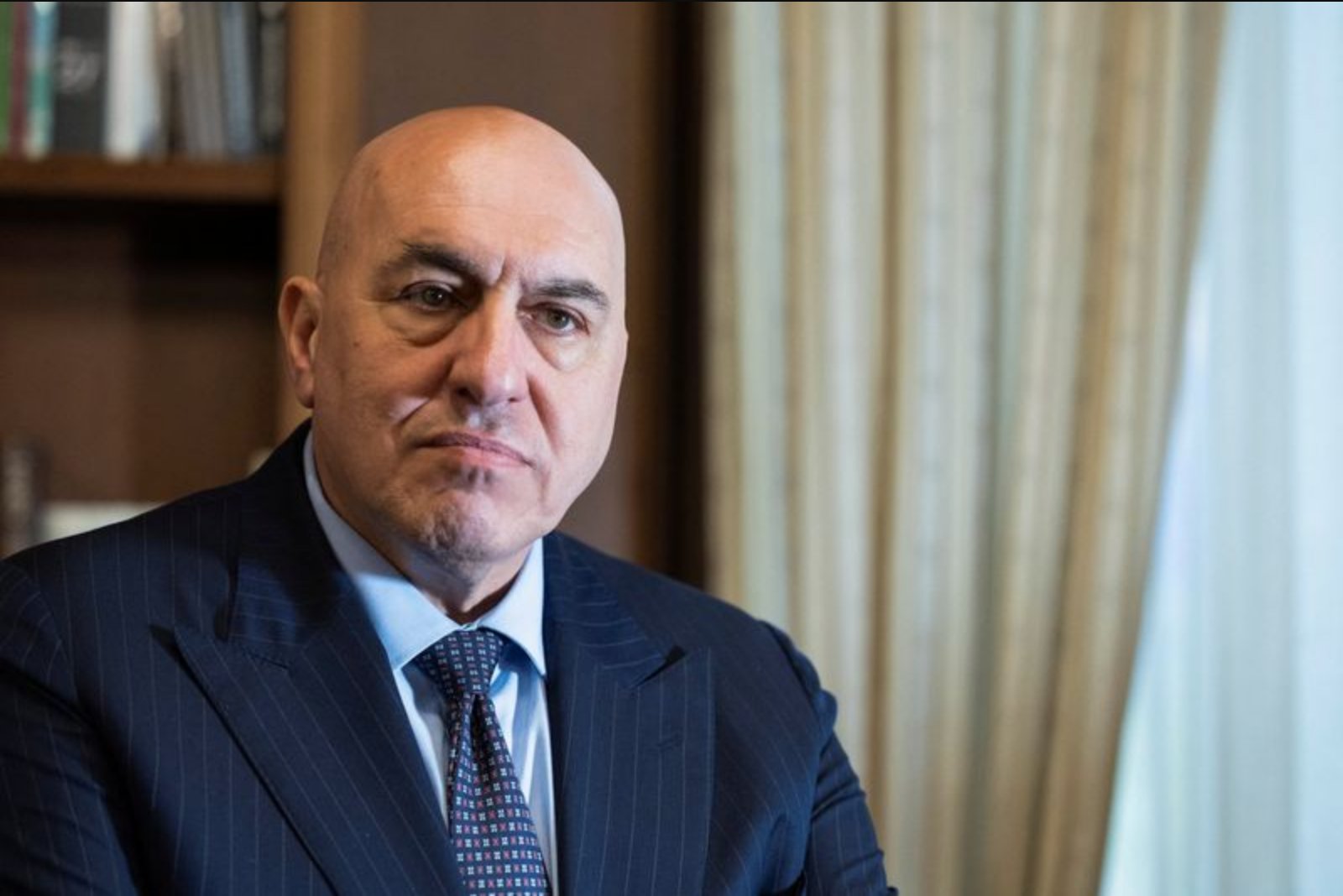
ROME, April 7 - Italy's defence minister, Guido Crosetto, has cautioned that the war with Iran is jeopardizing U.S. global leadership and carries the danger of a spiral toward nuclear escalation. In an interview published on Tuesday, Crosetto described the possibility of further escalation as a form of "madness" and warned that each military action risks prompting a counteraction at a higher level.
Crosetto noted that Italy last week declined to allow U.S. military aircraft to land at the Sigonella air base in Sicily while en route to the Middle East, a move aligned with other NATO partners that have been hesitant to fully support U.S. strikes on Iran. "This war is also putting the United States at risk in its global leadership," he told the Italian daily Corriere della Sera.
Drawing a stark historical parallel, Crosetto cited the decision to use atomic bombs in 1945 as evidence that humanity has not shed the tools of extreme warfare. "Just think: it was human beings like us who decided that even Hiroshima and Nagasaki were acceptable means of ending a conflict. Unfortunately, we still possess nuclear weapons, and those who do not have them are seeking to acquire them. We have learnt nothing," he said.
He continued: "The risk is madness, and what we are experiencing is a conflict in which every action triggers a reaction at a higher level." Crosetto, a close ally of Prime Minister Giorgia Meloni who is said to have good ties with U.S. President Donald Trump, is scheduled to address parliament on the Iran war later on Tuesday.
Commenting on the dynamics inside the U.S. administration, Crosetto argued that President Trump should be surrounded by advisers willing to challenge him. "One of the problems of this presidency is that no one dares contradict the boss," he said.
With President Trump reportedly displeased by Europe's position on the conflict, Crosetto stressed that Italy has not granted permission for the U.S. to use its bases beyond the specific circumstances that arose last week. The government stance underlines the limited access provided to American forces during this period of heightened tension.
Prime Minister Meloni has so far avoided a hardline posture toward the war while taking diplomatic steps in the region. Over the weekend she visited Saudi Arabia, Qatar and the United Arab Emirates to express support for Gulf nations facing Iranian attacks and to secure Italy's energy interests amid a global environment of rising fuel prices.
Contextual note - The minister's remarks highlight the political and strategic pressures confronting NATO partners as they weigh support for U.S. actions and balance regional security concerns with domestic economic priorities, including energy supply stability.