
World April 9, 2026 07:58 AM

Israeli Courts to Restart Netanyahu’s Trial After State of Emergency Lifted

Judicial hearings to resume Sunday as truce with Iran holds; political implications persist ahead of October vote

By Marcus Reed
Israeli Courts to Restart Netanyahu’s Trial After State of Emergency Lifted

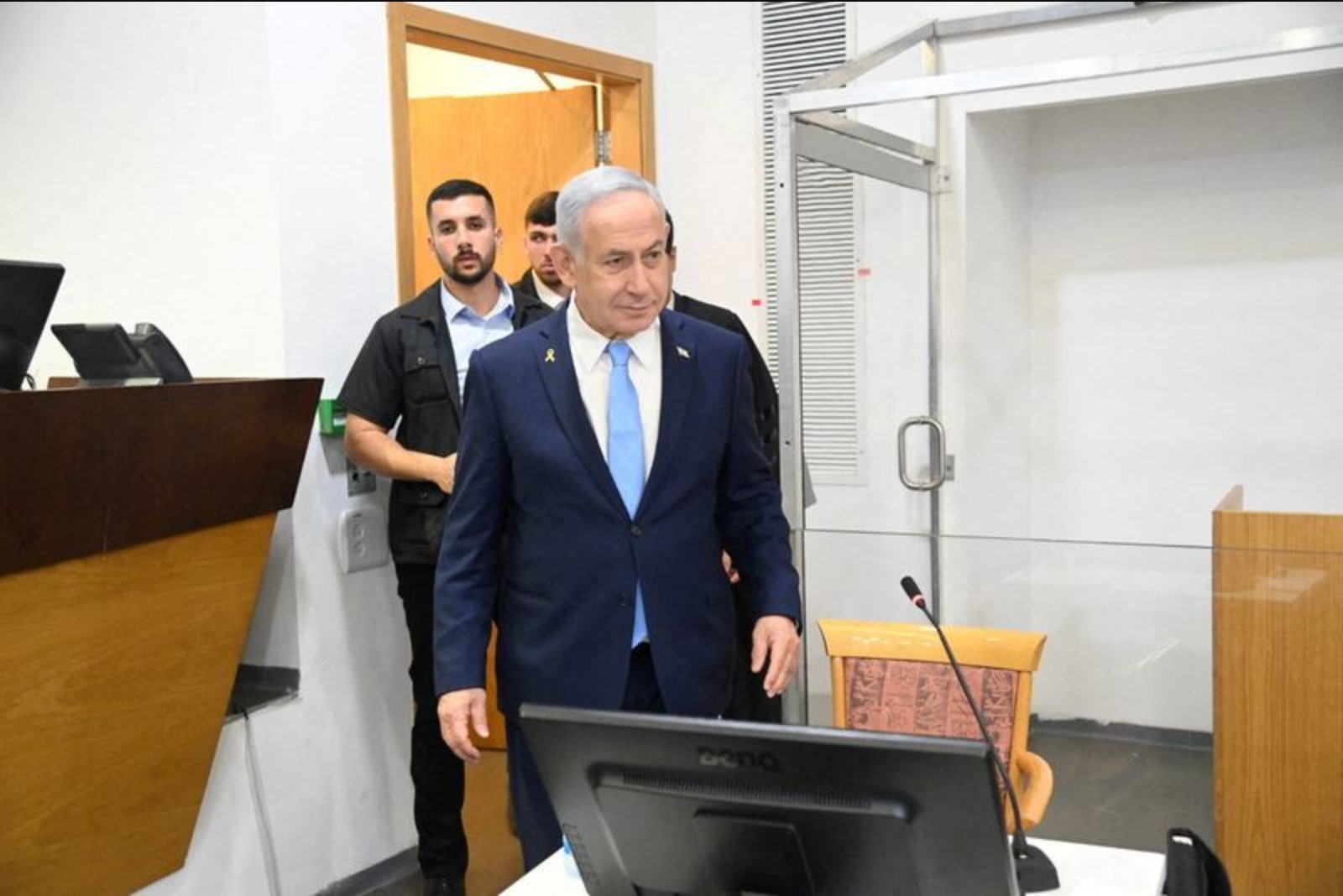
Israel’s judicial system will restart hearings in Prime Minister Benjamin Netanyahu’s long-running corruption trial on Sunday after the government lifted a state of emergency tied to attacks involving Iran. The return to regular court operations follows a ceasefire in which no incoming Iranian missiles were reported after 3 a.m. (midnight GMT); subsequent Israeli strikes in Lebanon have put the truce at risk. Netanyahu, who denies charges dating to 2019, has had the trial repeatedly delayed because of official duties, and calls for a presidential pardon have been advanced but face normal procedural review.

Key Points

  • Courts announced hearings in Netanyahu’s corruption case will resume Sunday after the state of emergency tied to the Iran conflict was lifted.
  • The emergency ended after a ceasefire in which no incoming Iranian missiles were reported since 3 a.m. (midnight GMT), though later Israeli attacks in Lebanon have endangered the truce.
  • Netanyahu, charged in 2019 with bribery, fraud and breach of trust and denying the accusations, has had his trial repeatedly postponed due to official duties; pardon requests are under standard review.

Israeli courts announced on Thursday that Prime Minister Benjamin Netanyahu’s criminal trial will recommence on Sunday following the end of a state of emergency that had been declared during hostilities with Iran.

The courts’ spokesperson said that with the emergency lifted and the judicial system returning to normal operations, hearings will proceed as usual between Sundays and Wednesdays. The suspension of routine court business had been part of broader emergency measures that closed schools and workplaces.

The state of emergency was ended on Wednesday evening after a truce saw no incoming Iranian ballistic missiles or drones reported since 3 a.m. (midnight GMT). The exchange of strikes began after Israel and U.S. President Donald Trump carried out air strikes on Iran on February 28 - actions that were described at the time as intended to prevent Iran from projecting force abroad, halt its nuclear programme and encourage the overthrow of its rulers. In response, Iran targeted Israel with ballistic missiles and drones.

Despite the pause in direct incoming attacks, the truce has been threatened by extensive Israeli operations in Lebanon aimed at countering the presence there of Iran-backed Hezbollah, the courts’ statement and other official accounts indicated. Those operations have complicated the broader security environment that preceded the resumption of judicial business.

Netanyahu, the first sitting Israeli prime minister to face criminal charges, denies accusations of bribery, fraud and breach of trust brought in 2019 after years of investigation. His trial opened in 2020 and, while it could result in custodial sentences if convictions are secured, it has experienced repeated postponements because of his official responsibilities. No completion date for the proceedings has been set.

Former U.S. President Donald Trump has publicly echoed Netanyahu’s requests to Israel’s President Isaac Herzog to consider a pardon, arguing that the prime minister’s frequent court appearances interfere with his capacity to perform state duties. Herzog’s office said the justice ministry’s pardons department will collect opinions and forward them to the president’s legal adviser, who will prepare a recommendation in line with established procedures. The office also noted that pardons are not typically granted while a trial is ongoing.

Observers note that the charges against Netanyahu, combined with the Hamas attacks on Israel in October 2023, have weakened his political standing. Israel is scheduled to hold national elections in October, and current assessments suggest Netanyahu’s right-wing coalition - described as the most right-wing in the country’s history - is likely to lose that vote.

Risks

  • Renewed hostilities - Extensive Israeli strikes in Lebanon aimed at Iran-backed Hezbollah have jeopardised the ceasefire, raising the risk of resumed conflict that could again interrupt judicial proceedings and affect security-sensitive sectors such as defense.
  • Political uncertainty - The combination of criminal charges, the October 2023 Hamas attacks and ongoing security incidents has weakened Netanyahu’s standing ahead of scheduled October elections, creating uncertainty for political stability and markets sensitive to governance risk.
  • Legal and constitutional uncertainty - Calls for a presidential pardon while a trial is ongoing, and the standard procedural review by the pardons department, introduce uncertainty about potential legal outcomes that could affect public confidence in institutions.

More from World

Gaza student killed by Israeli fire while attending tent classroom, officials say Apr 9, 2026 Lawyers for Sean 'Diddy' Combs Argue Appeals Court Should Overturn Conviction and Sentence Apr 9, 2026 Funding Shortfall Threatens Basic Aid for Over 1.3 Million Sudanese Refugees in Chad Apr 9, 2026 U.S. Expands Nigeria Travel Warning and Authorises Non-Emergency Embassy Departures Apr 9, 2026 Kenya Rebuts U.N. Finding on Sexual Abuse Claims Involving Haitian Mission Apr 9, 2026