
What happened
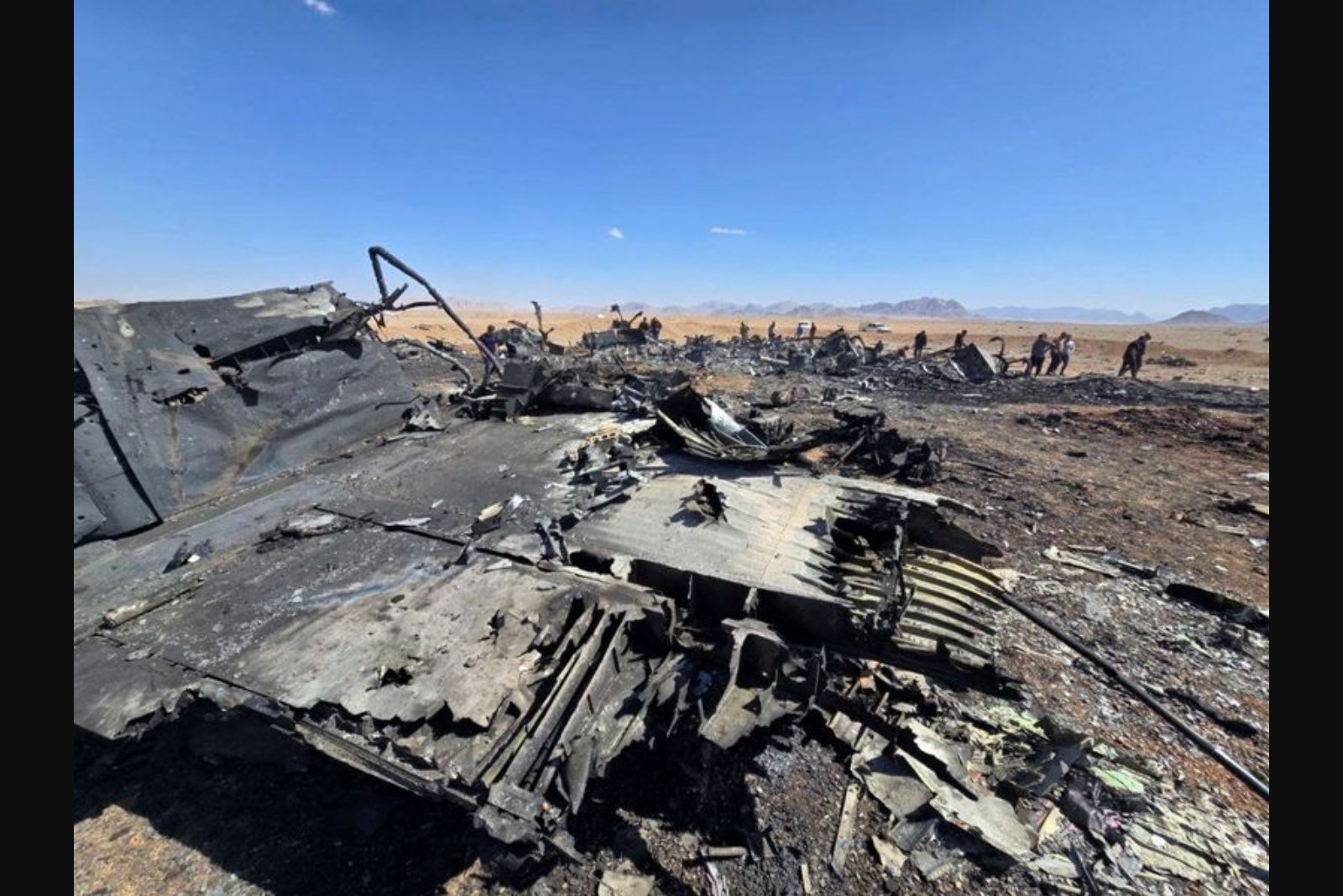
Under darkness and with careful secrecy, U.S. special operations forces penetrated deep into Iranian territory, climbed a ridge rising to about 7,000 feet and recovered an American weapons specialist who had been stranded after his fighter jet was brought down. The team moved the injured airman toward a prearranged, clandestine rendezvous point before dawn. The mission proceeded smoothly until two MC-130 aircraft that had carried portions of the roughly 100-member rescue contingent experienced mechanical failures and could not take off.
The loss of those aircraft left the elite troops exposed behind enemy lines. Faced with the prospect of leaving forces stranded, commanders took a high-risk course: they ordered additional aircraft to fly into Iran to retrieve the personnel in waves. That decision forced the rescue teams to wait through a tense period of several hours until the replacement aircraft arrived.
Critical decisions under pressure
An official familiar with the operation described the interval as the mission's most perilous moment. The quick choice to dispatch alternate aircraft was credited with preventing a potential disaster and ultimately enabled the staged withdrawal. To avoid leaving sensitive hardware for adversaries to capture, U.S. forces destroyed the disabled MC-130s and four other helicopters inside Iran rather than abandon them.
The Pentagon did not immediately respond to requests for comment on the operation. The extraction concluded one of the most dangerous episodes in the conflict that has been ongoing for five weeks. The successful recovery averted what commanders feared could have been a catastrophic loss of American life and helped defuse a growing political crisis for the U.S. president as he contemplates whether to broaden military action.
The rescued airman and how contact was made
The recovered service member was the second of two crew members aboard an F-15E Strike Eagle that Iran said had been struck by its air defenses. U.S. officials said the aircraft had been flying over Isfahan province when it was brought down and both airmen ejected separately. One pilot was located and rescued earlier. The second airman remained in Iran until the nighttime operation.
U.S. aircrews receive training in Survival, Evasion, Resistance and Escape - known as SERE - for situations in which they are downed behind enemy lines. Yet the practical challenges of remaining unseen and communicating with rescuers in a country where they are unlikely to speak the language are substantial. A U.S. official said the rescued officer, whom the president later identified as a colonel, had sprained his ankle and sheltered in a crevice on a hilltop. He later established contact with U.S. forces and authenticated himself, an essential safeguard to ensure rescue teams would not be led into a trap.
Measures to reduce risk
Officials said a broader set of actions accompanied the rescue. The Central Intelligence Agency had earlier conducted a deception campaign intended to mislead Tehran by planting information inside Iran that U.S. forces had already located and were moving the missing airman. In addition to that deception, U.S. military planners took operational steps on the ground and in the air: they jammed electronics and conducted strikes on key roads around the target area to impede access by local actors.
The aircraft ultimately used to retrieve the airman and extract the rescue teams were smaller turboprop planes, chosen for their ability to land on limited airstrips and handle relatively light loads. Throughout the planning and execution, the White House, the Department of Defense and U.S. Central Command maintained an unusually low public profile. The president’s public comments were notably restrained during the mission, prompting local observers to check on his whereabouts before the operation concluded.
After the successful return of U.S. personnel, the president described the operation as one of the most daring search-and-rescue missions in U.S. history and said the injured airman would recover.
Hostile encounters during the search
The initial search that began on Friday, after the first F-15 crew member was recovered, met fierce resistance from Iranian forces. Two Black Hawk helicopters involved in the search were struck by Iranian fire but managed to exit Iranian airspace. Separately, a pilot ejected from an A-10 Warthog fighter after the aircraft was hit during operations over Kuwait and the plane crashed; officials said the extent of any crew injuries in that incident was unclear.
The wider conflict has exacted a human toll: U.S. Central Command reports 13 U.S. military service members killed and more than 300 wounded. No U.S. troops have been taken prisoner.
Capabilities and remaining questions
While the U.S. president has sought to depict Iran’s military as degraded, its repeated ability to strike U.S. aircraft is notable, according to military analysts. Iran’s Khatam al-Anbiya joint military command said it employed a new air defense system to target a U.S. fighter jet on Friday. U.S. intelligence assessments indicate Iran retains substantial missile and drone capabilities. U.S. sources say that until just over a week ago, officials could verify the destruction of roughly one-third of Iran’s missile inventory. The condition of about another third remains uncertain; those systems were likely damaged, destroyed or buried in tunnels and bunkers as a result of recent bombings, according to sources familiar with the assessments.
Political aftershocks
Following the rescue, the president used stark language to warn Tehran and demanded the reopening of the Strait of Hormuz to restore crucial oil flows to global markets. The episode underlined both the tactical risks of operations deep inside hostile territory and the strategic implications for regional security and economic stability.
Summary
A U.S. special operations mission in Iran successfully rescued a stranded American weapons specialist after commandos infiltrated and scaled a high ridge before dawn. Mechanical failures grounded two MC-130s, prompting commanders to send additional aircraft and evacuate personnel in staged waves. U.S. forces destroyed disabled aircraft inside Iran to prevent compromise of equipment. The operation concluded without U.S. personnel taken prisoner and amid heavy, ongoing conflict that has produced casualties on both sides and left questions about Iran’s remaining missile capabilities.
Key points
- The rescue team scaled a 7,000-foot ridge and recovered an injured U.S. weapons specialist after his F-15E was downed over Isfahan province.
- Mechanical failures disabled two MC-130 aircraft, forcing commanders to order additional planes and extract forces in waves while destroying disabled aircraft and helicopters in-country to avoid leaving sensitive gear behind.
- The operation exposed vulnerabilities and has implications for defense readiness and energy markets given threats to shipping lanes such as the Strait of Hormuz.
Risks and uncertainties
- Operational risk - Mechanical failures and the prospect of forces being trapped behind enemy lines highlight ongoing risks to special operations and aviation assets in hostile environments; this affects defense logistics and aviation sectors.
- Escalation risk - The incident occurred during a broader five-week conflict and could influence decisions about further military action, with potential effects on energy markets and regional trade routes.
- Intelligence and capability gaps - Uncertainty about the condition of a significant portion of Iran’s missile inventory poses risks for military planners and regional security assessments.