
BRUSSELS, April 8 - Leaders of the European Union on Wednesday expressed approval of the two-week ceasefire that the United States and Iran agreed the previous night, framing it as a necessary step to ease recent tensions and calling for ongoing diplomatic efforts to transform the pause into a lasting arrangement.
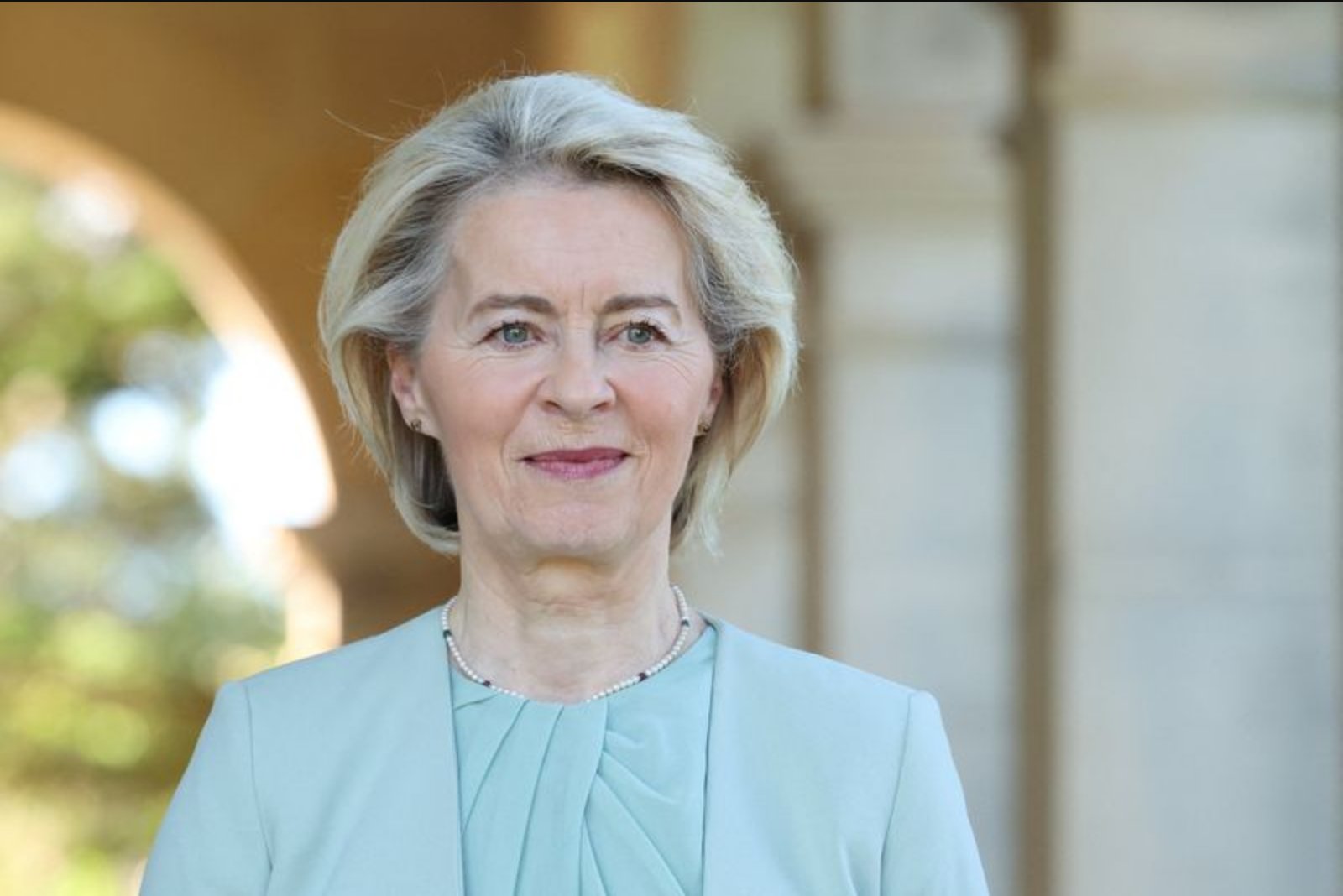
European Commission President Ursula von der Leyen posted on the social media platform X: "I welcome the two-week ceasefire the US and Iran agreed last night. It brings much needed de-escalation" and stressed that it was vital negotiations continue to secure an enduring solution.
European Council President Costa also used X to underline the importance of compliance, saying he urged "all parties to uphold its terms in order to achieve sustainable peace in the region".
Kaja Kallas, the EU's high representative for foreign affairs and security policy, described the agreement as "a step back from the brink after weeks of escalation." She added that the deal "creates a much-needed chance to tone down threats, stop missiles, restart shipping, and create space for diplomacy towards a lasting agreement."
The U.S. announcement came late on Tuesday when President Donald Trump said he had agreed to a two-week ceasefire with Iran. That declaration arrived less than two hours before his deadline for Tehran to reopen the Strait of Hormuz or face devastating attacks on its civilian infrastructure. Earlier on Tuesday, the president had issued an extraordinary warning, saying "a whole civilization will die tonight" if his demands were not met - a remark that underscored the rapidly shifting tone ahead of the ceasefire announcement.
EU officials framed the truce as an opportunity to reduce immediate military and security pressures, while emphasizing that the temporary pause must be followed by sustained diplomatic engagement to translate it into a stable outcome. Their statements focused on adherence to the ceasefire terms and the need for negotiations to continue to avoid a return to escalation.
Context and implications
EU leaders portrayed the two-week pause as a critical opening for diplomacy, signaling relief at a reduction in hostilities and highlighting concrete areas - such as the stoppage of missile activity and the resumption of shipping - that the ceasefire could affect if upheld. At the same time, they communicated caution by urging all sides to respect the agreement and by calling for further negotiations to secure sustainability.