
World April 11, 2026 04:33 AM

Czech Prime Minister Publicly Backs Viktor Orban Ahead of Hungarian Vote

Andrej Babis says Orban represents stability and national sovereignty as Budapest heads to parliamentary elections

By Ajmal Hussain
Czech Prime Minister Publicly Backs Viktor Orban Ahead of Hungarian Vote

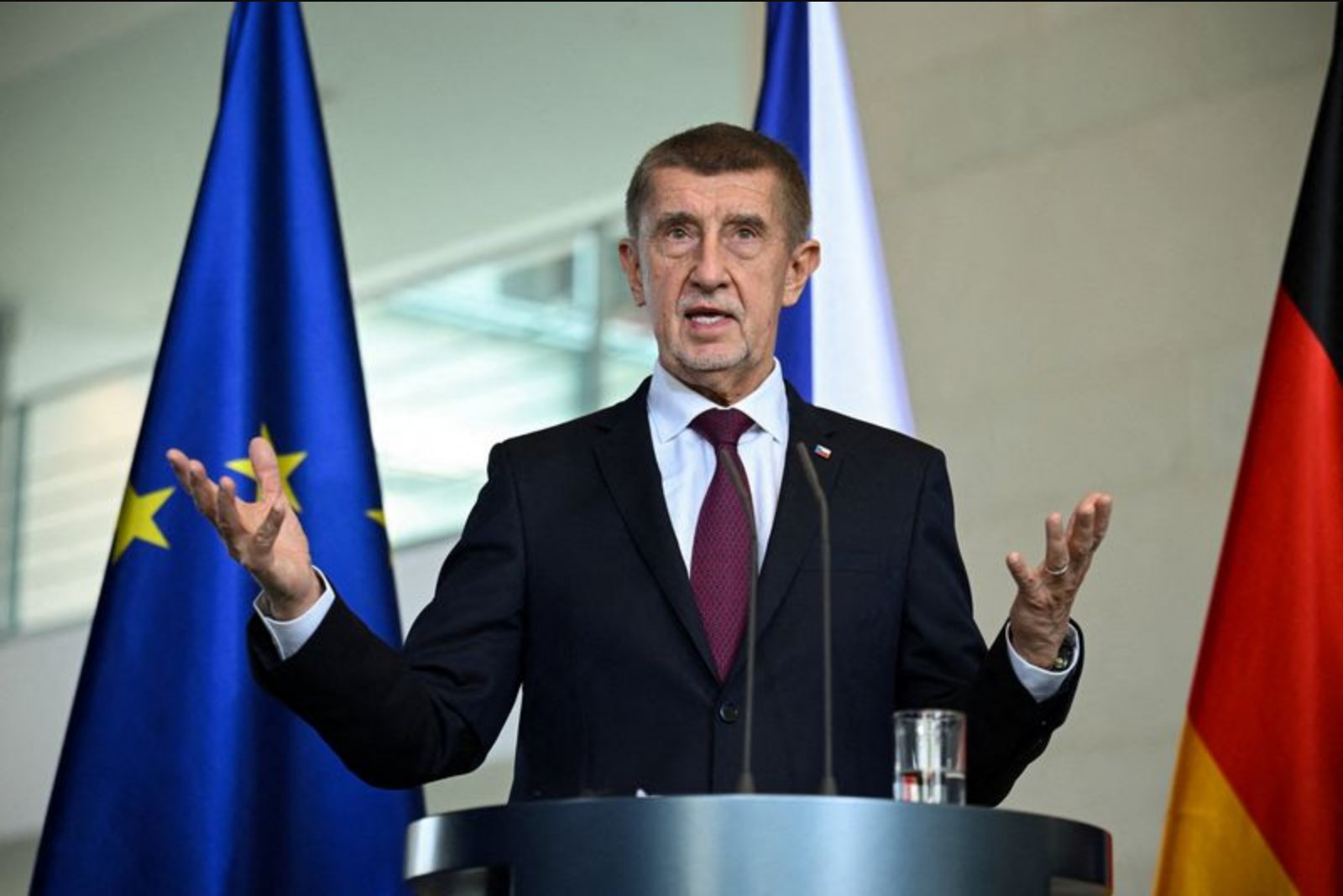
Czech Prime Minister Andrej Babis on April 11 publicly endorsed Hungarian leader Viktor Orban ahead of Hungary's parliamentary vote, calling him the best option for Hungarian interests and stability. Opinion polls show Orban, a nationalist at odds with Brussels and with friendly ties to the Kremlin, faces the possibility of being unseated after 16 years by former ally-turned-opposition leader Peter Magyar. Babis's government has shifted Czech policy on Ukraine and is pursuing legislative changes at home that critics say mirror Hungarian and Slovak moves seen as eroding democratic norms.

Key Points

  • Czech Prime Minister Andrej Babis publicly endorsed Hungarian Prime Minister Viktor Orban ahead of Hungary's parliamentary election, emphasizing stability and national sovereignty.
  • Opinion polls indicate Orban faces the possibility of being unseated by opposition leader Peter Magyar after 16 years in power.
  • Since returning to office, Babis's government has reduced aid to Ukraine and declined participation in the EU's 90 billion euro loan for Kyiv; it is also pursuing domestic changes including media overhaul and tighter NGO scrutiny.

PRAGUE, April 11 - Czech populist Prime Minister Andrej Babis on Saturday declared his support for Hungary's incumbent leader Viktor Orban ahead of the parliamentary election scheduled for Sunday, calling Orban the best choice for protecting Hungarian interests and ensuring stability during uncertain times.

Opinion polling cited in reporting suggests Orban - described as a nationalist who has repeatedly clashed with Brussels and who maintains friendly ties with the Kremlin - could be replaced after 16 years in office by Peter Magyar, a former ally who is now leading the opposition.

"Supporting Viktor Orban this Sunday. He has always fought for a stronger Europe, one built on peace, sovereign nations, sovereign member states, competitiveness," Babis said on X on Saturday. "In turbulent times, choosing stability and proven leadership matters more than ever."

Babis, a billionaire businessman, has undergone a political shift from a liberal, pro-EU stance to alignment with Orban. He now sits alongside Orban in the Patriots for Europe faction in the European Parliament.

Since returning to power last year after a period in opposition, Babis's government has taken notable steps on foreign policy and domestic affairs. The Czech Republic has reduced its aid for Ukraine and declined participation in the European Union's 90 billion euro loan package for Kyiv. Despite these moves, the Czech Republic's posture toward Russia is reported to be more mainstream than that of Hungary and Slovakia.

Domestically, Babis's cabinet includes a far-right, anti-NATO party and is pursuing a policy agenda that seeks to roll back EU decarbonisation measures. The government is also preparing legislation intended to overhaul public media and to increase oversight of non-governmental organisations.

Opponents of these proposals argue that they are modelled on recent reforms enacted in Hungary and Slovakia, and say such measures weaken democratic standards. The article notes critics' concerns without adding further analysis or additional claims.


Exchange rate: ($1 = 0.8533 euros)

Risks

  • Electoral uncertainty in Hungary - a potential change in leadership could alter regional political dynamics, affecting political risk assessments in Central Europe.
  • Policy divergence within the EU - actions by the Czech government to rollback decarbonisation policies and reduce support for Ukraine may increase friction with other EU members, with implications for regulatory and diplomatic coordination.
  • Domestic governance concerns - proposed measures to change public media and increase oversight of NGOs mirror reforms criticised in neighboring countries, raising uncertainty about future democratic standards and civil society operations.

More from World

Americans Split Over Iran Conflict as Rising Fuel Costs and Deployment Fears Bite Apr 11, 2026 A Historic Lunar Orbit and Its Resonance for Black Americans Apr 11, 2026 UK Suspends Plan to Transfer Chagos Sovereignty Amid US Objections Apr 11, 2026 Diplomatic Agenda at Islamabad Talks: Ceasefires, Sanctions and Security in Focus Apr 11, 2026 High-Level U.S. and Iranian Delegations Meet in Islamabad as Preconditions Threaten Progress Apr 11, 2026