
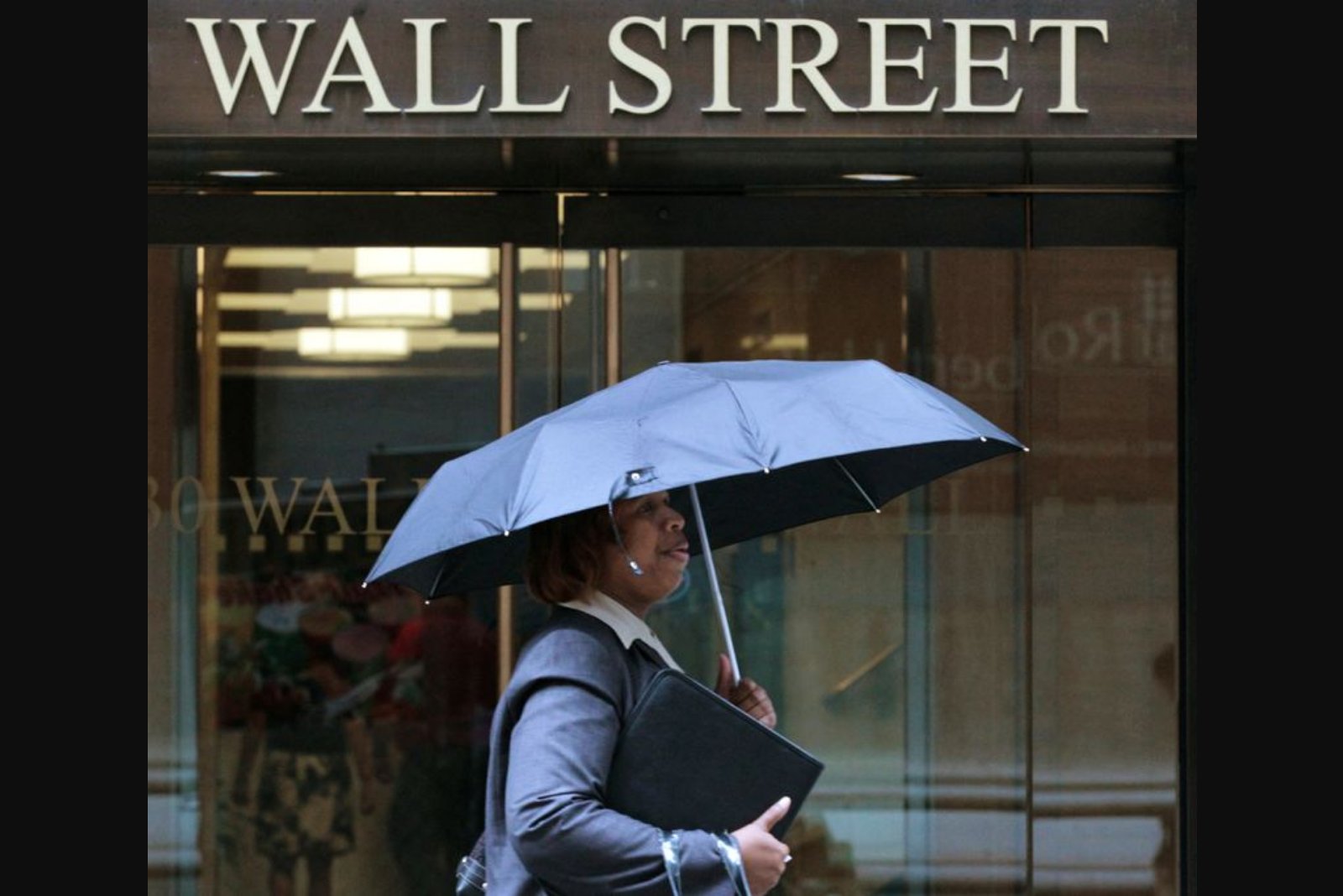
April 13 - U.S. equity futures eased on Monday, reflecting renewed caution after weekend talks between the United States and Iran did not produce an agreement to halt hostilities. The move came as signs emerged that the temporary relief from a ceasefire struck last week may not hold, and as Washington prepared to escalate pressure on Tehran.
Officials said the U.S. military was hours away from initiating a blockade of all maritime traffic entering or leaving Iranian ports and coastal areas - a step intended to increase leverage on Iran. The potential for tightened maritime restrictions added another layer of uncertainty for markets already sensitive to developments in the Middle East.
William Blair macro analyst Richard de Chazal warned that the shift in posture could alter calculations in Tehran. "For the Iranians who up to now have felt that time is on their side, it puts pressure on their allies to encourage Iran to come to the table to make a deal," he said.
By 04:25 a.m. ET, Dow E-minis were down 200 points, or 0.42%. Nasdaq 100 E-minis fell 163 points, or 0.64%, while S&P 500 E-minis were lower by 36 points, or 0.53%. The selling pressure extended beyond equities as investors sought shelter in perceived havens and reduced equity exposure across regions.
Oil prices climbed back above $100 a barrel, a move that stoked worries about inflation after data last week showed a record jump in gasoline and diesel costs helped drive the largest rise in consumer prices in nearly four years in March. The rise in crude put further focus on sectors most sensitive to energy costs.
Market participants also shifted attention to corporate results. The U.S. earnings season was getting under way, with Goldman Sachs scheduled to report before the bell. Executives at the investment bank were expected to be scrutinized for commentary on how the Middle East conflict, now in its seventh week, is affecting the broader economy and capital markets. Goldman shares were marginally higher in premarket trading and outperformed many of its Wall Street peers.
Sectors moved unevenly as investors digested the latest signals. Travel-related names came under pressure amid concerns that higher oil would lift fuel costs for carriers - Delta Air Lines and JetBlue Airways fell 2.2% and 3.8%, respectively. By contrast, energy stocks gained ground on the rally in crude: Chevron climbed 2.3%, Exxon Mobil rose 2.6%, and ConocoPhillips increased 2.8%.
The coverage also included a brief note questioning whether CVX is a bargain. The accompanying tool referenced a fair value calculator that uses a mix of 17 industry valuation models to assess stocks.
Context and market cues
- Diplomatic setback between the U.S. and Iran increased risk aversion among investors.
- Rising oil prices and a potential maritime blockade elevated concerns about inflation and sectoral cost pressures.
- Corporate commentary from banks such as Goldman Sachs was expected to offer insight into how the conflict is affecting markets and the economy.