
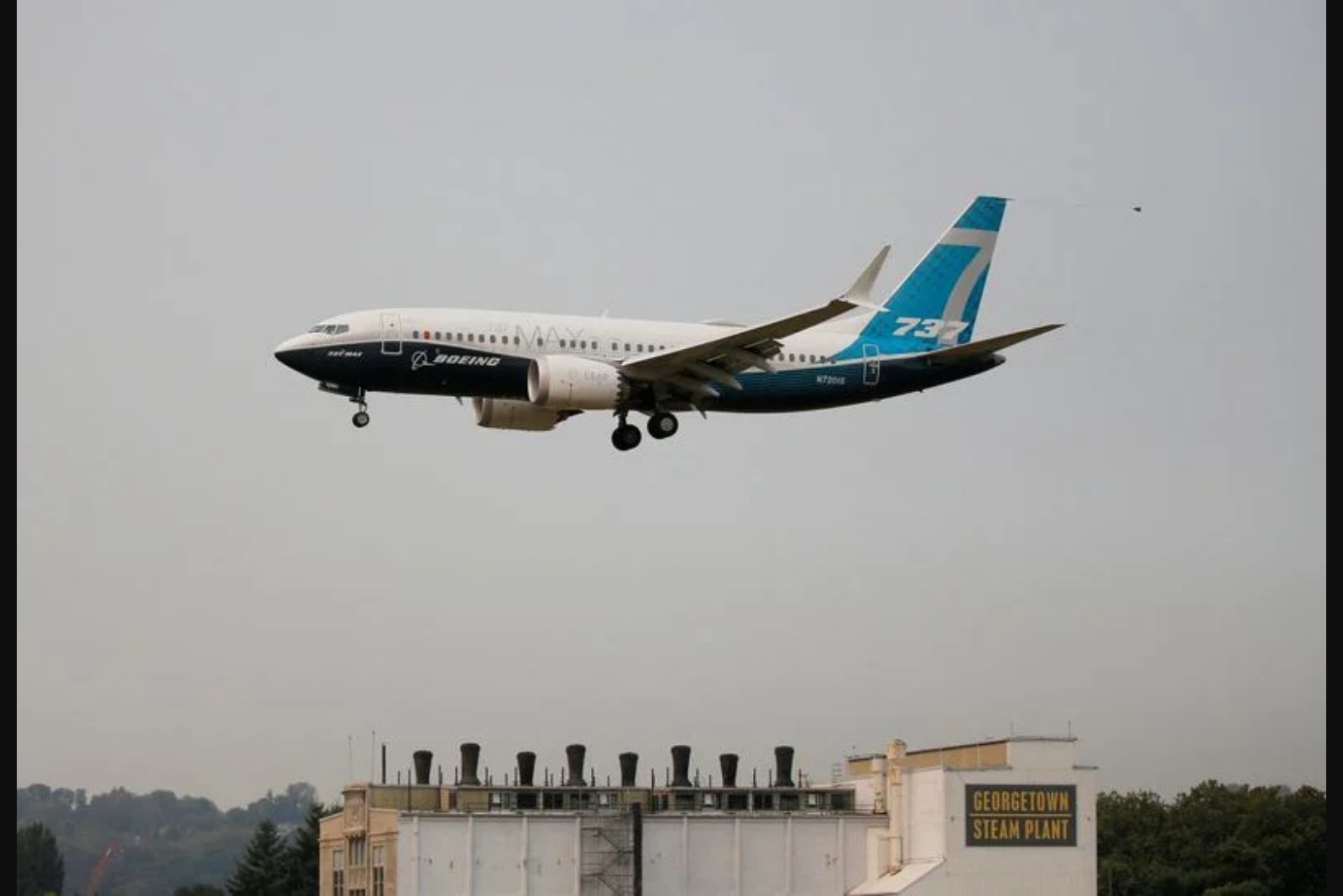
European and U.S. aviation regulators said on Wednesday they are close to completing certification for two additional Boeing 737 MAX models, bringing the industry nearer to expanding the MAX family in commercial service.
At a safety conference in Chantilly, Virginia, European Union Aviation Safety Agency (EASA) Executive Director Florian Guillermet described validating the MAX 10 for service as a priority for the agency. "We are making very good progress on the final closure of the last actions," he said, adding: "I think it’s good that we are able to close that in the upcoming period, because we will be able to turn the page and to move on."
Guillermet told reporters the remaining steps do not include many major milestones. "We don’t have many hurdles or major milestones. It’s just a last part of the process. It’s very, very intense," he said, noting the agency must process all relevant documents within a schedule that leaves only a few weeks to complete that work.
U.S. Federal Aviation Administration (FAA) Deputy Administrator Chris Rocheleau said the FAA is in the final stages of certifying both the smaller MAX 7 and the larger MAX 10. Rocheleau characterized the remaining certification tasks as largely administrative, calling them largely "dotting i’s and crossing t’s." He said the FAA is focused on ensuring a mutual comfort level between the two authorities and their certification offices "- that this is ready to fly."
Rocheleau expressed confidence in near-term alignment between the agencies, saying he expects the EASA to validate the FAA’s certification for the two MAX types either concurrently or shortly afterward. "We’re in a good place," he said.
Last month, FAA Administrator Bryan Bedford said he expected the MAX 7 to be certified this summer and the MAX 10 to be approved before the end of the year. The MAX 7 is a shortened derivative of the MAX 8 and MAX 9 models, which the regulators note have already amassed tens of thousands of flight hours in service.
Boeing’s certification timeline for the MAX 7 and MAX 10 has experienced delays tied to an engine de-icing issue. That technical matter contributed to the extended certification process for the two models.
Relations between EASA and the FAA were strained following the fatal Boeing 737 MAX accidents in 2018 and 2019 that were linked to flawed software and oversight lapses. Those events prompted EASA to take a more detailed look at Boeing designs. Both Rocheleau and Guillermet said relations between the agencies have improved significantly since that period.
Rocheleau also said the FAA and EASA are working on a data-sharing agreement intended to enhance cooperation on certification and risk management. The agreement, he said, is part of the agencies’ efforts to ensure coordinated oversight as the MAX variants move toward approval.
What this means
Regulatory completion for the MAX 7 and MAX 10 would clear the way for those variants to enter commercial service once airlines and Boeing complete any remaining operational preparations. The agencies’ focus on documentation, validation and data sharing underscores an emphasis on coordinated, cross-border certification practices.