
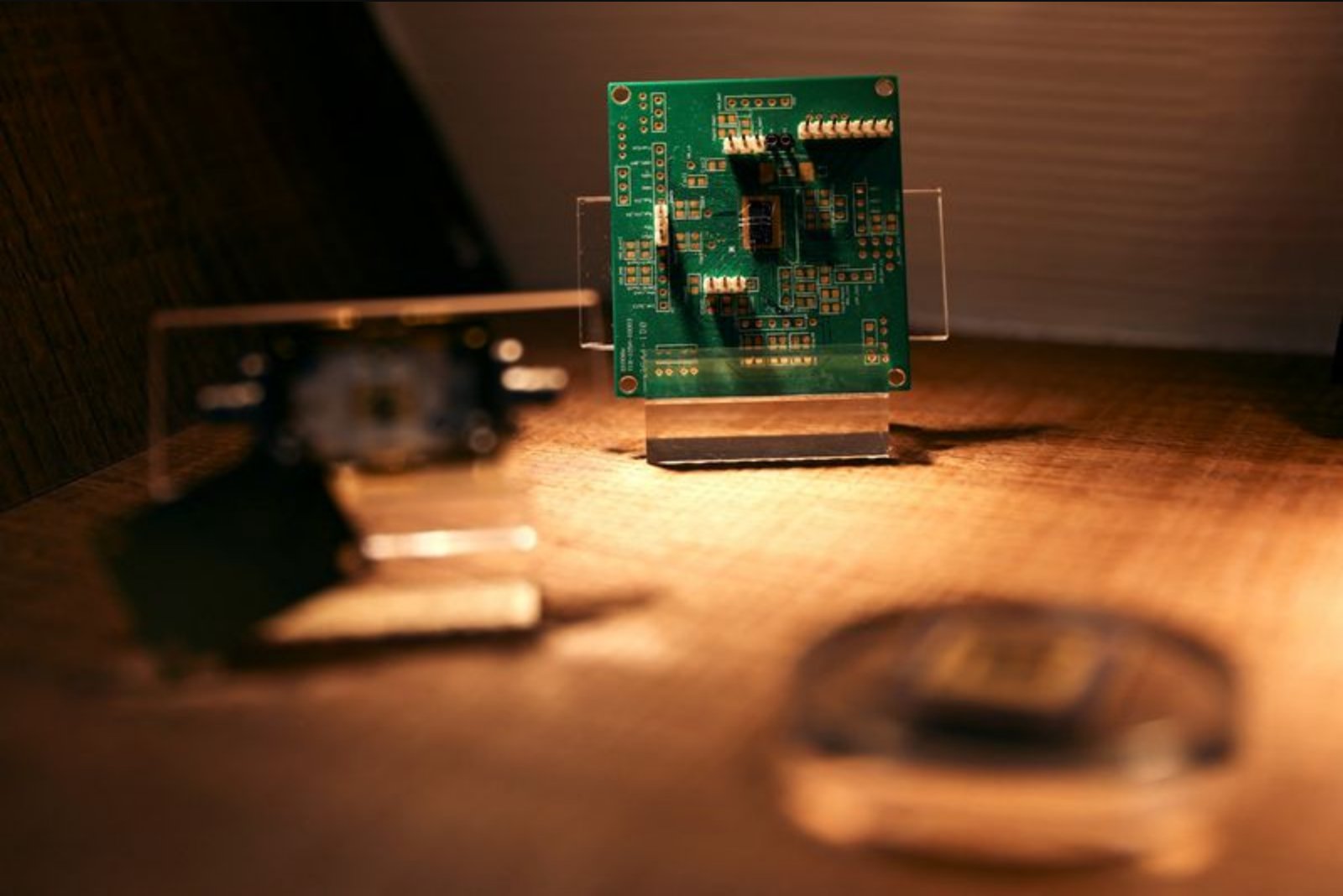
TAIPEI, April 7 - Taiwan’s National Security Bureau told lawmakers that China is pursuing the island’s advanced chip manufacturing expertise and skilled personnel as part of a broader push to overcome international "containment" of the country, according to a report submitted ahead of a session with bureau Director-General Tsai Ming-yen.
The bureau says Beijing’s drive for semiconductor self-sufficiency has coincided with intensified efforts to attract or retain Taiwanese high-tech operations, naming AI and semiconductor companies as specific targets. In its briefing to legislators, the agency said China is seeking to "lure" Taiwan’s high-tech industries to establish or keep facilities on the mainland.
The report adds that China continues to exploit indirect channels to "poach Taiwanese talent, steal technology, and procure controlled goods, with the aim of obtaining key core technologies and products such as Taiwan’s advanced-process chips, thereby breaking through international technological containment."
Taiwan’s Government Service Network was cited in the report as experiencing more than 170 million intrusion attempts in the first quarter of this year. The bureau framed these cyber actions as part of a toolbox of hybrid measures Beijing could be using to expand intelligence collection, surveillance and data theft.
Separately, the report warns that Beijing is expected to deploy hybrid tactics - including deepfakes and fabricated opinion polls - to interfere in Taiwan’s year-end local elections. It states that "it cannot be ruled out that the Chinese Communist Party is laying the groundwork to interfere in Taiwan’s year-end elections, with the intent of expanding intelligence collection, surveillance, and data theft."
The document also documented continued military pressure. In the first quarter, Taiwan detected more than 420 Chinese military aircraft operating around the island, and Chinese naval vessels coordinated with those aircraft in 10 "joint combat readiness patrols," according to the bureau.
The report portrays China’s Communist Party as facing mounting challenges from economic weakness and geopolitical competition, and says that despite these pressures Beijing "continues to employ a range of hybrid threats against Taiwan, including military intimidation."
Taiwan rejects Beijing’s claim of sovereignty over the island and maintains that only the people of Taiwan can determine their future. The report notes Taiwan is home to Taiwan Semiconductor Manufacturing Company - the world’s largest contract chipmaker and a supplier to major technology firms, including Nvidia and Apple.
China’s Taiwan Affairs Office did not immediately respond to a request for comment, the bureau noted in the report’s distribution to lawmakers.
Context and implications
The bureau’s assessment links a broad set of tactics - talent recruitment, technology acquisition, cyber intrusion, influence operations and military presence - to an objective of acquiring advanced-process semiconductors and other core technologies. The document was delivered ahead of public questioning of the bureau director-general by legislators.
While the report focuses on actions the bureau says are being taken by Beijing, it stops short of predicting specific outcomes from those efforts and confines its account to the activities and incidents it recorded, including the intrusion attempt figures and military movements referenced above.