
Iranian strikes targeting major Gulf aluminium producers have sharpened concerns about an immediate tightening of global metal supplies. Aluminium Bahrain and Emirates Global Aluminium, both significant exporters from the Middle East, reported damage amid the attacks, raising the risk of acute shortages for buyers in the U.S., Europe and elsewhere.
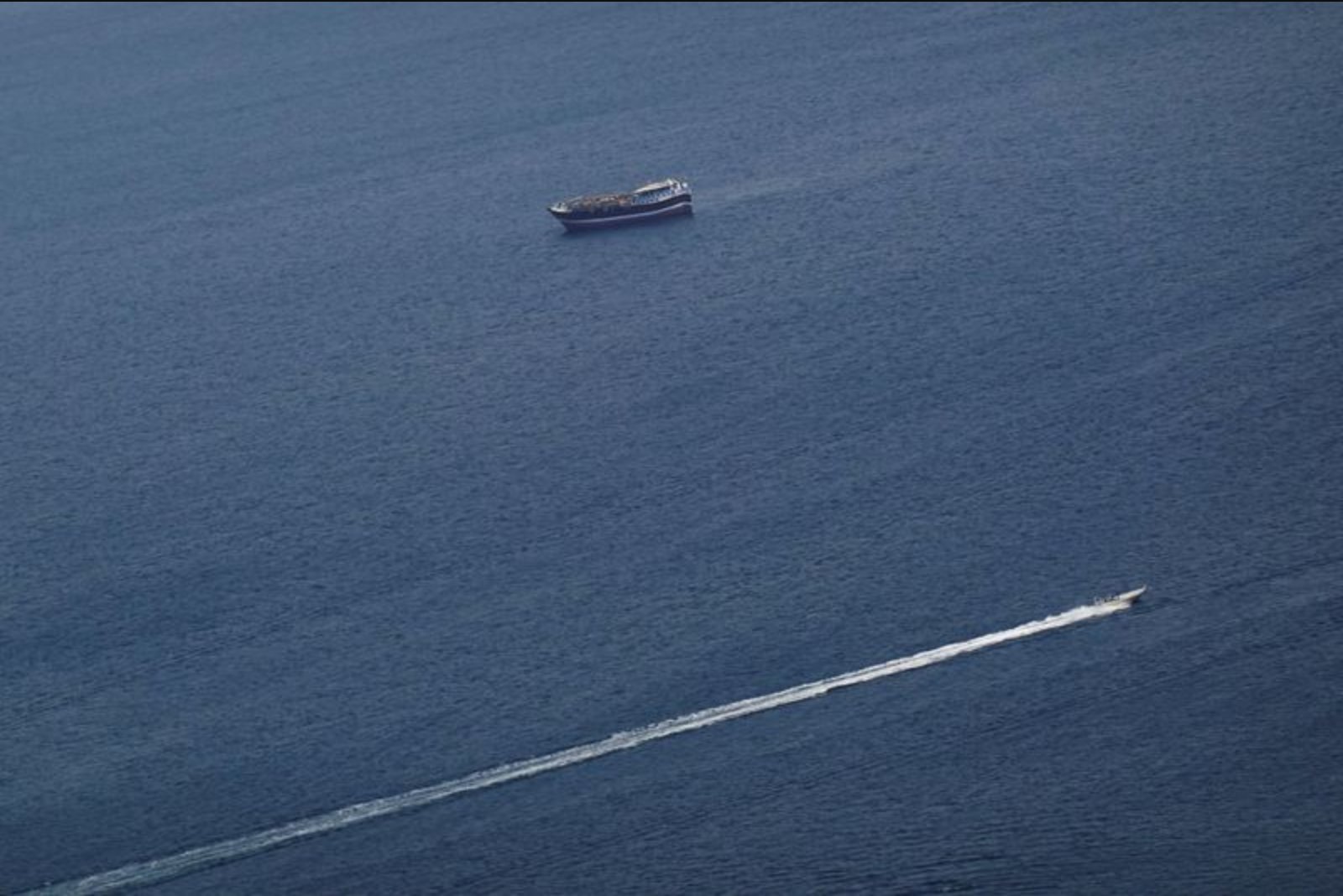
The broader disruption to shipping through the Strait of Hormuz - already interrupting flows to export markets in the U.S. and Europe - has compounded the supply squeeze. Aluminium Bahrain, operator of the world’s largest single-site smelter, said it was assessing the damage caused by the strikes. Emirates Global Aluminium (EGA) reported that its Al Taweelah plant suffered "significant damage."
Middle East production and export footprint
The Middle East hosts roughly seven million metric tons of aluminium smelting capacity, representing about 9% of global smelting capacity. Global aluminium supplies are estimated at 75 million tons this year. Around 75% of Middle Eastern aluminium production is shipped overseas, according to an analyst cited in reports.
Last year, European imports from the Middle East and Egypt amounted to about 1.2 million tons, which equated to roughly 20% of Europe’s primary and alloyed aluminium intake, based on Trade Data Monitor figures. U.S. imports of primary and alloyed aluminium from the Middle East totaled about 3.4 million tons last year, or nearly 22% of the United States’ total imports of those categories, according to the same data provider.
Company production, inventory and immediate operational moves
Earlier in March, Alba implemented a shutdown of three smelting lines, representing 19% of its capacity, a move the company said was intended to preserve business continuity amid disruptions at the Strait of Hormuz. Alba’s smelter has capacity to produce 1.623 million metric tons of aluminium in 2025, according to the company website.
EGA’s Al Taweelah plant produced 1.6 million metric tons of cast metal in 2025. Adjacent to that smelter is an alumina refinery which produced 2.4 million tons of alumina last year. EGA, which also operates a smelter at Jebel Ali in Dubai, said it had substantial metal stock on the water when the conflict began as well as stock on the ground in certain overseas locations. Overall, EGA’s annual primary aluminium production in the UAE is around 2.7 million metric tons.
Price response and physical premiums
Market prices have reacted sharply. On the London Metal Exchange, aluminium reached $3,492 a metric ton on Monday, a four-year high. The physical premium that European buyers pay above the LME benchmark - intended to cover freight, taxes and handling - climbed to $469 a ton last week, an increase of $120 since the conflict began on February 28.
U.S. physical premiums are trading at record levels as well. Premiums around $1.09 a pound, which translates to above $2,400 a ton, were already elevated due to the 50% import tariffs imposed in June last year.
Summary and context for markets and supply chains
The attacks on Aluminium Bahrain and EGA, combined with shipping disruptions through the Strait of Hormuz, have created a scenario where physical supply is constrained while inventories remain distributed across onshore and afloat stocks. The immediate outcome has been a jump in exchange prices and physical premiums, reflecting tighter availability for industries that depend on aluminium, such as transport, construction and packaging.
Key points
- The Middle East accounts for about seven million metric tons of smelting capacity, roughly 9% of the global total.
- Aluminium Bahrain and EGA reported operational impacts following Iranian strikes; Alba is assessing damage while EGA said Al Taweelah sustained "significant damage."
- Price signals have strengthened: LME aluminium hit $3,492/ton and European physical premiums rose to $469/ton, with U.S. premiums trading above $2,400/ton.
Risks and uncertainties
- Ongoing damage assessments at affected plants could reveal further production losses, impacting supply to export markets and downstream sectors including transport and construction.
- Continued closure or disruption of the Strait of Hormuz may prolong shipment constraints to the U.S. and Europe, sustaining elevated premiums and price volatility for physical aluminium.
- Distribution of existing metal stocks - including on-water inventory and overseas on-ground stock - creates uncertainty over how quickly physical shortages will translate into longer-term supply deficits.