
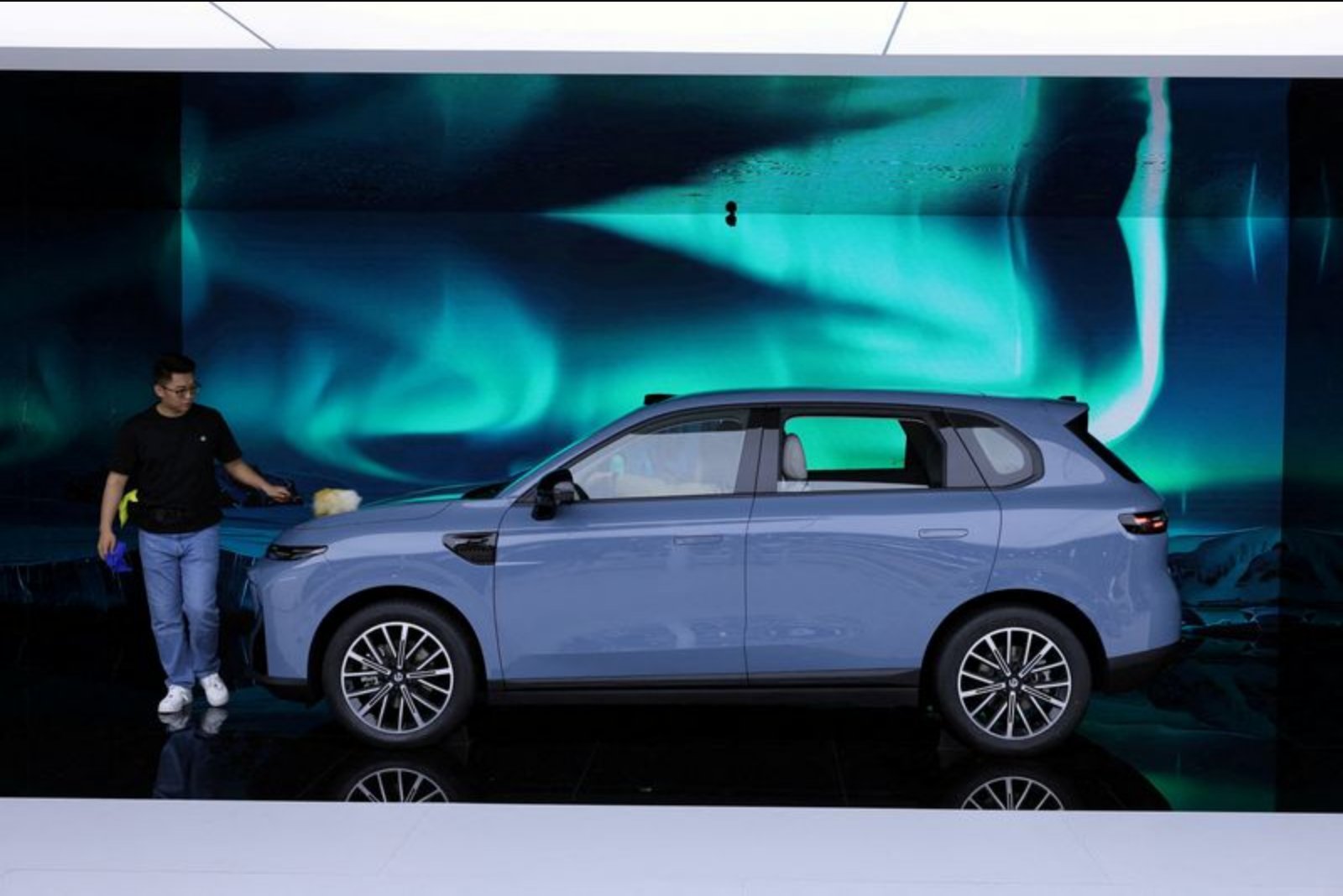
SHANGHAI/MILAN, April 8 - Stellantis is reported to be in advanced negotiations with Chinese automaker Leapmotor to jointly develop an Opel-branded electric SUV that would leverage Leapmotor technology and be assembled at Stellantis’ Zaragoza plant in Spain, three sources said.
According to those people, the proposed model would be built on the same platform as Leapmotor’s B10 compact SUV, which is also slated for assembly at Zaragoza later this year for the European market. Two sources said the joint project - codenamed O3U - is expected to enter production in 2028 with an annual target of roughly 50,000 vehicles.
The proposed deal, if finalised, would be part of Stellantis’ effort to reduce the time and cost of bringing a new electric vehicle to market as the French-Italian automaker adjusts its product mix toward petrol-electric hybrid cars. Earlier this year the company announced a $25 billion writedown tied to the scaling back of some of its EV plans.
Scope of collaboration
People familiar with the discussions said Leapmotor would provide key technologies and components, including electronic and electrical subsystems, while Opel would be responsible for the vehicle’s exterior design. The sources added that a substantial portion of engineering and development work would take place in China.
Stellantis and Leapmotor have an existing strategic relationship. Stellantis acquired about a one-fifth stake in Leapmotor in 2023 and the two companies operate a joint venture, Leapmotor International, which handles sales and production of Leapmotor models outside China.
Timing, corporate planning and wider strategy
One person involved in the talks said negotiations on the Opel SUV began in late 2025 and that an agreement could potentially be reached as soon as this month. The development of the O3U project is described by the sources as the most advanced among several possible collaborations between the two automakers.
Stellantis’ chief executive, Antonio Filosa, who assumed the role in June of last year, is due to present a new long-term business plan on May 21. Company officials said there is "regular engagement" between the partners about ways to expand collaboration but declined to provide further detail.
Confirmed and contested statements
Leapmotor has stated that it is in discussions with a number of partners, including Stellantis, but that these talks are focused on supplying self-developed components and exclude platform-level collaboration, according to the company. Leapmotor did not provide additional comment on specifics such as production timing or the 50,000-unit output target referenced by the sources.
Separately, Leapmotor has said it expects to begin mass production of vehicles in Spain from October, and that some projects with Stellantis are in "advanced negotiation stages."
Other projects and capacity considerations
Beyond the Opel SUV under negotiation, sources said Stellantis has explored using Leapmotor’s EV technologies to develop the next-generation Opel Mokka B SUV, with production of that model expected to be transferred to Spain from France at some point. Preliminary conversations have also taken place about the potential to develop an Alfa Romeo model using the same architecture at Zaragoza, a step intended to optimise plant utilisation.
Those familiar with the talks added that the two companies have discussed additional models built on Leapmotor architectures for smaller A-segment cars. Producing those smaller vehicles would require different production lines than those used at Zaragoza.
Market context
Stellantis’ recalibration on EVs comes as it faces competition from BYD and other Chinese brands in Europe and looks to improve utilisation rates at its European factories. Opel accounted for roughly 21% of Stellantis’ 2025 sales in Europe, its core market, with Germany its largest single market.
The sources emphasised that while Stellantis acknowledged it had overestimated the pace of the energy transition and took a large charge related to EV strategy, battery-electric vehicles continue to be part of the group’s agenda, particularly within Europe.
Currency reference: $1 = 0.8685 euros.