
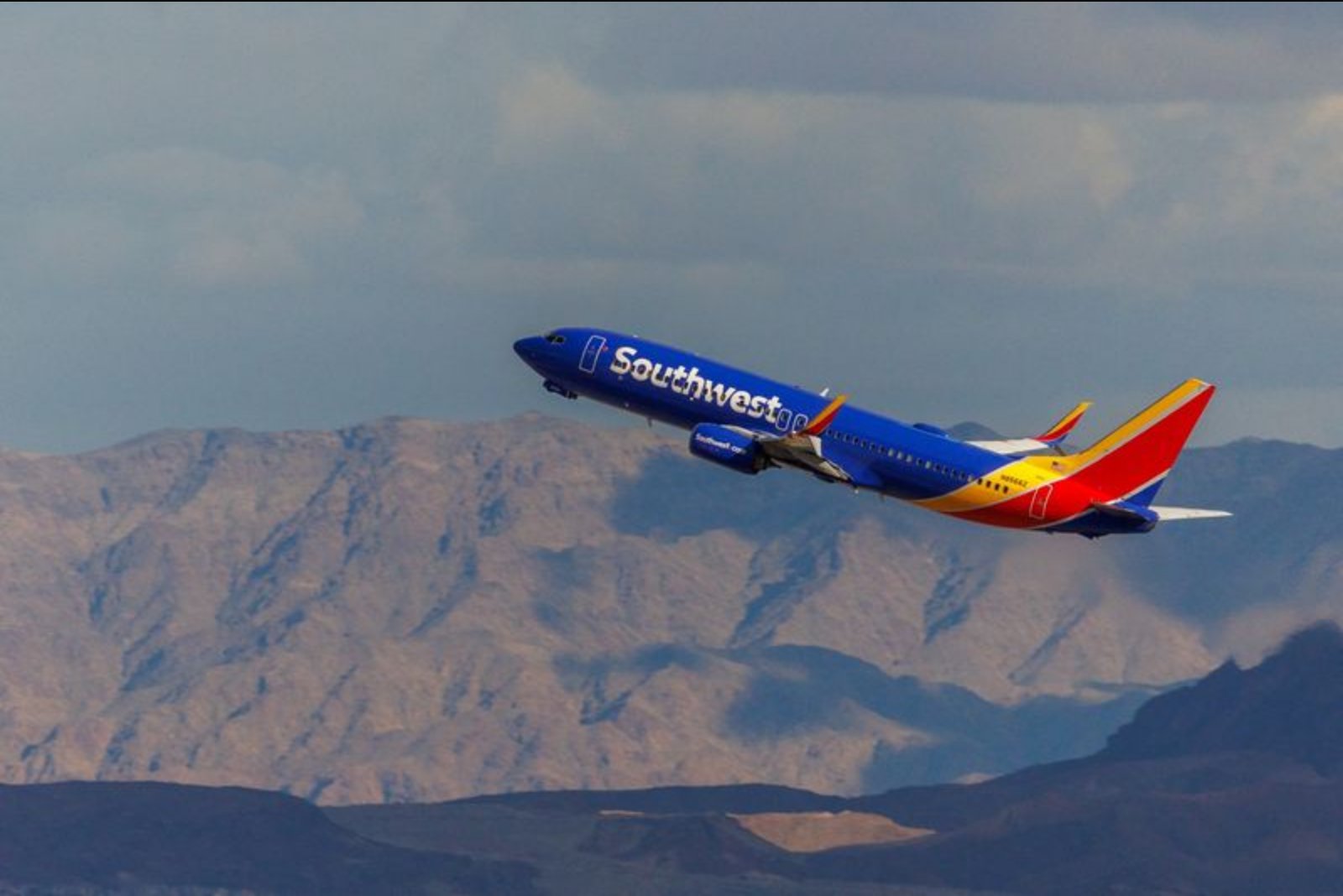
Southwest Airlines on Wednesday lowered its earnings outlook for the April-June quarter, forecasting profit per share in a range of $0.35 to $0.65. The midpoint of that guidance sits below analysts' expectations of $0.55 per share, according to LSEG data, and the airline's stock fell 2.9% in after-hours trading.
The company attributed the pressure on margins to an escalation in jet fuel prices following U.S.-Israeli strikes on Iran that resulted in the closure of the Strait of Hormuz - a chokepoint through which about one-fifth of the world’s oil supply moves. With jet fuel prices having nearly doubled since the conflict began, airlines are facing one of their largest cost shocks since the upheaval caused by the COVID-19 pandemic.
Fuel now represents roughly a quarter of carriers' operating expenses, and the surge in prices has restricted airlines' ability to reprice tickets that were sold months before the spike. Southwest said it expects jet fuel to trade between $4.10 and $4.15 a gallon in the second quarter.
To offset some of the additional expense, Southwest and other U.S. carriers are attempting to pass costs onto travelers by increasing base fares and raising fees for add-on services such as checked baggage. The company noted in its annual report a planning assumption that it will consume about 2.2 billion gallons of jet fuel in 2026. Under that assumption, a one-cent-per-gallon move in jet fuel would change annual fuel costs by roughly $22 million for 2026.
Southwest had previously been active in jet fuel hedging but discontinued the practice in 2025, describing hedging as expensive and unreliable. That decision leaves the carrier more exposed to current market price swings than it would have been with hedges in place.
For the three months ended March 31, Southwest reported net income of $227 million, or $0.45 per share. That result missed analysts' expectations of $0.47 per share, based on data compiled by LSEG.
The company faces a fast-moving cost environment driven by geopolitical events that have lifted crude and jet fuel benchmarks. Management has communicated efforts to offset the strain through revenue actions and fee changes, but the carrier remains sensitive to fuel-market volatility given fuel's sizable share of its cost base.
Separately, an AI-driven stock selection product referenced LUV in promotional commentary, noting it evaluates the airline along with thousands of other companies using more than 100 financial metrics. That product highlighted that its model has identified past winners including Super Micro Computer (+185%) and AppLovin (+157%) and invited investors to see whether LUV is included in current strategies. The promotional material also contained a brief note indicating a "Flash Sale - Price Goes Up Soon."