
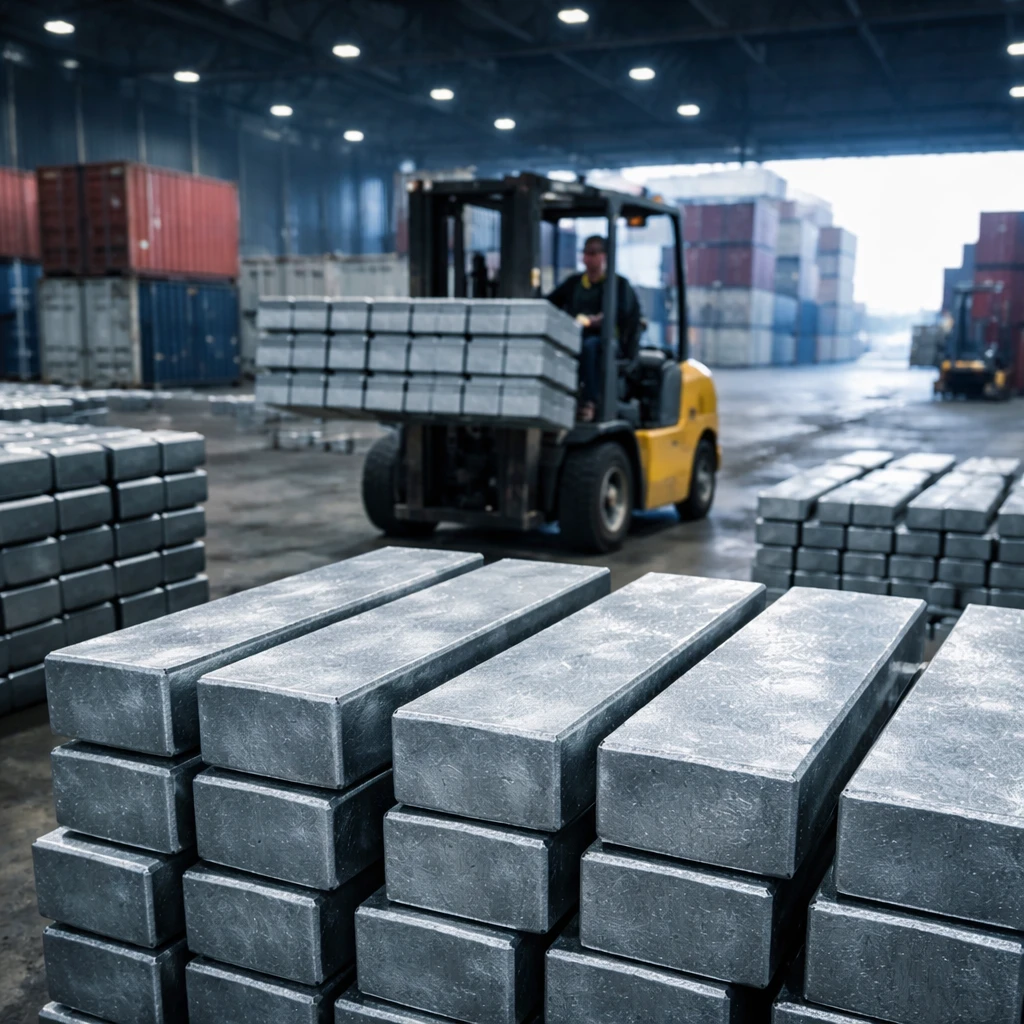
Two leading suppliers to the U.S. market, Rio Tinto Group and Century Aluminum Co., have raised premiums on aluminum billets by approximately 12% - a move that translates to roughly 3 cents per pound, or about $110 per ton, above levels seen before the onset of conflict in Iran.
Producers are transferring the higher premium to buyers at a time when flows from the Persian Gulf have been disrupted. Those Middle East exports account for nearly a fifth of U.S. aluminum imports, and interruptions in those shipments are prompting U.S. purchasers to look to domestic suppliers instead. Domestic inventories already face tightness, and sourcing locally carries a price premium versus pre-disruption import channels.
Rio Tinto is also pressing its customers to accept multiyear contracts that lock in the higher premium, a commercial posture that would secure revenue visibility for the supplier while transferring price exposure to counterparties over a longer horizon.
The pricing environment has moved noticeably since the conflict began. Aluminum values have climbed by more than 10% since the Iran war started in late February. At the same time, the U.S. Midwest premium - the regional uplift added to global benchmark prices for delivery into that sector - has reached an all-time high of $1.1325 per pound.
Those developments reflect two connected dynamics described by market participants: reduced inbound flows from the Persian Gulf, and a domestic market where available metal is scarcer and therefore more expensive. Buyers responding to import disruption by sourcing within the U.S. are encountering both higher spot rates and supplier efforts to extend commitments through multiyear deals at the raised premium.
The immediate outcome is a higher cost basis for aluminum billet in the U.S. market and record regional premium levels. How long these conditions persist will depend on the evolution of import flows and the balance between domestic supply and demand, as well as commercial acceptance of longer-term contracts at the elevated pricing.