
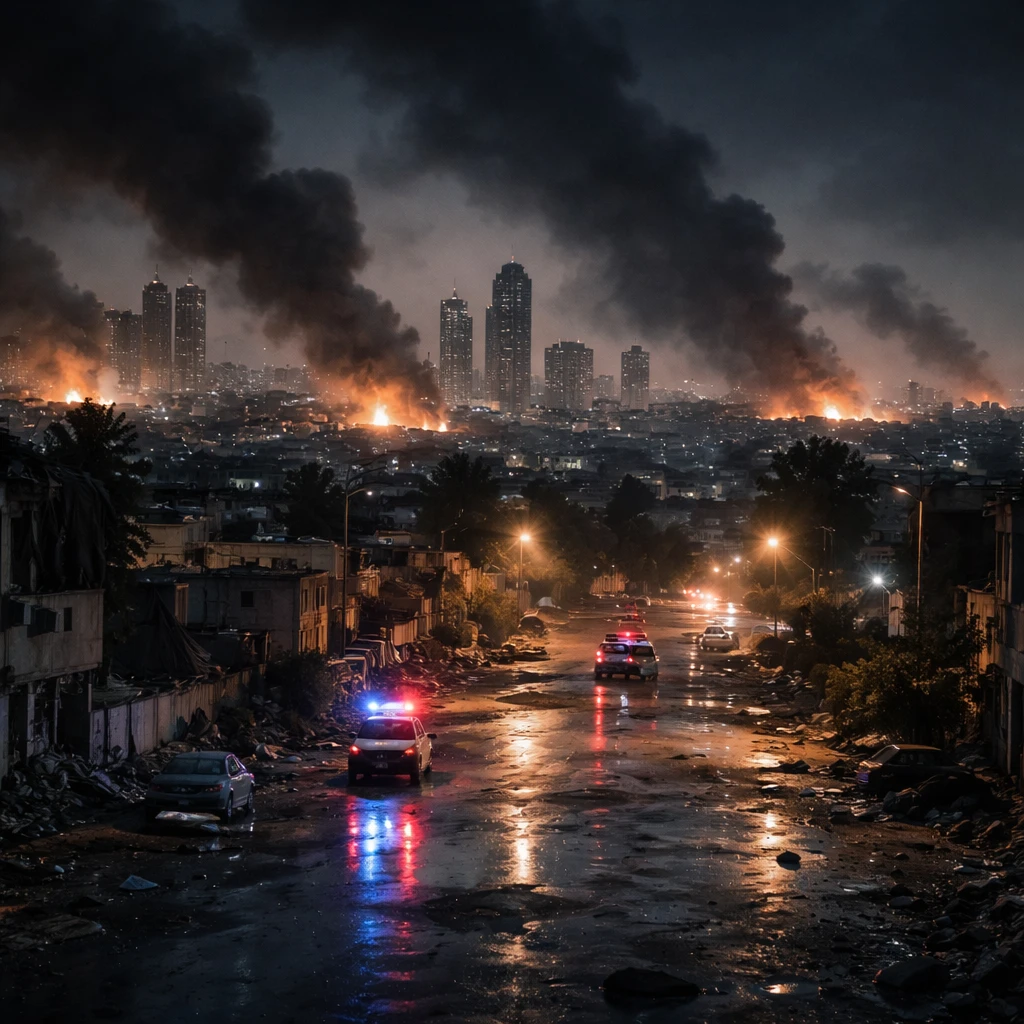
More than 8,000 people have been killed across the Middle East since the conflict began on February 28, when U.S. and Israeli strikes hit Iran, regional authorities reported. The initial strikes set off a series of Iranian attacks on Israel, U.S. bases and Gulf states and opened a fresh front in Lebanon, according to the figures released by officials and rights groups.
On Wednesday, Iran and the U.S. reached a two-week ceasefire deal. Despite that agreement, authorities and rights groups continue to publish casualty tallies that show the heavy human cost of the confrontation.
Iranian officials provided substantial casualty figures for the country. Iran's forensic chief told state media on Thursday that more than 3,000 people were killed across Iran during the war. A U.S.-based rights organization, HRANA, reported 3,636 deaths in Iran, including 1,701 civilians and at least 254 children. Separately, the Iranian military said at least 104 people were killed in a U.S. attack on an Iranian warship off Sri Lanka on March 4.
Lebanese authorities said Israeli strikes since March 2 have killed at least 1,830 people. The heaviest bombardment to date in Lebanon, which occurred on Wednesday, was reported to have killed more than 300 people. Lebanese officials also reported military losses, saying at least 14 Lebanese soldiers and 13 state security personnel were killed in Israeli strikes. Two sources familiar with Hezbollah's internal counts told authorities that more than 400 Hezbollah fighters have died since the group's operations began on March 2.
Iraqi health authorities reported at least 117 deaths since the start of the crisis, a figure that includes both civilians and military personnel. On Tuesday, at least three people were killed when rockets fired from the direction of Kuwait struck a house in Khor al-Zubair near Basra.
In Israel, missiles launched from Iran and Lebanon were reported by Israel's ambulance service to have killed 23 people. The Israeli military also reported the deaths of 12 of its soldiers in southern Lebanon.
U.S. Central Command said 13 U.S. military service members have been killed and more than 300 wounded. Of those fatalities, six service members died after a military refuelling aircraft crashed over Iraq, while seven others were killed in action during operations against Iran.
Gulf states also reported casualties. The United Arab Emirates reported 12 deaths in Iranian attacks, including two army soldiers. Kuwait reported seven deaths, including three people killed in Iranian attacks. Saudi authorities said two people died when a projectile fell on Al-Kharj city on March 8. Additionally, one energy company security personnel member was killed in attacks on energy facilities on Wednesday.
The figures above are drawn from statements by regional authorities, military sources and rights groups and reflect the scale of fatalities reported to date across multiple countries involved in the conflict.