
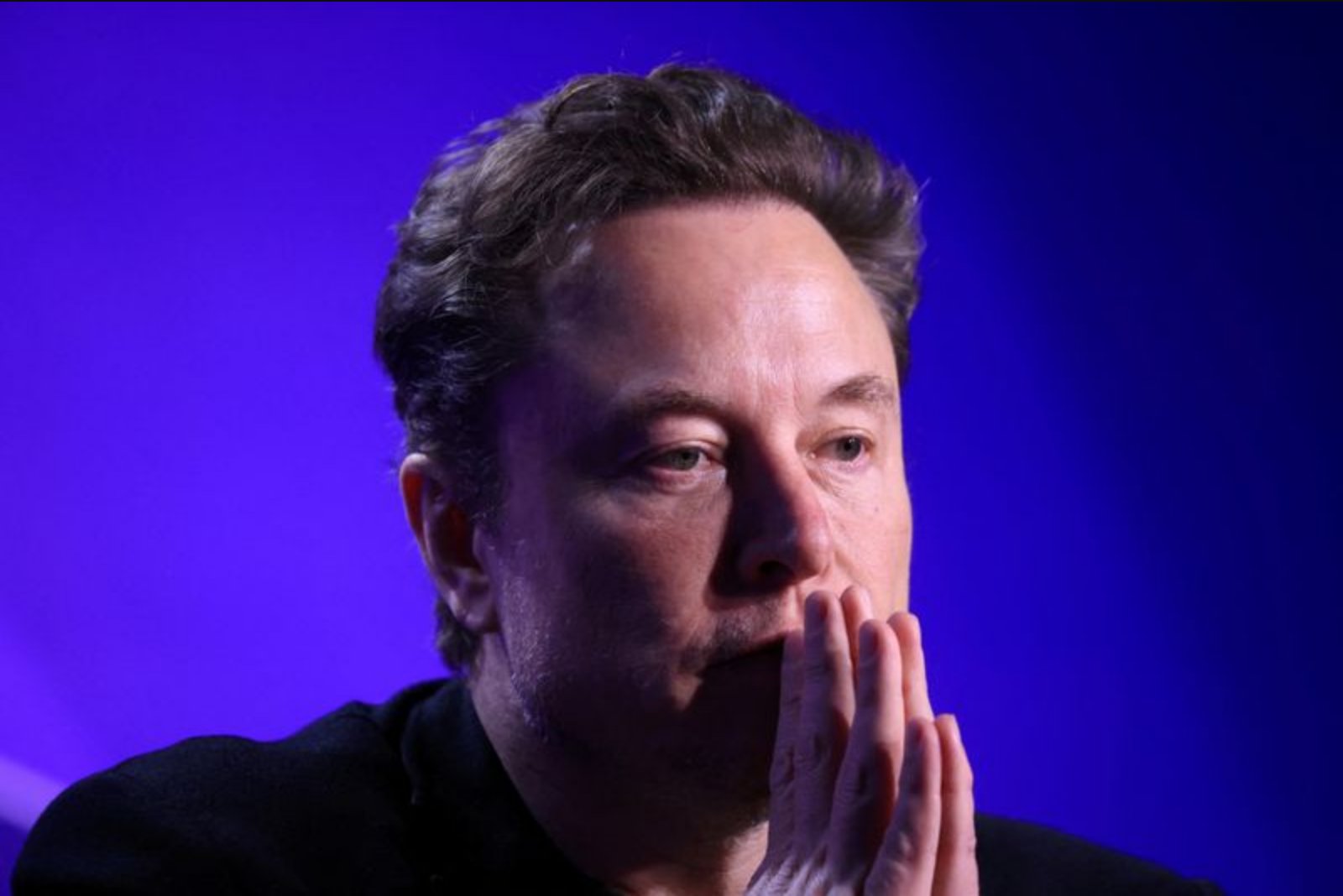
OpenAI on Monday urged the attorneys general of California and Delaware to examine what it called the "improper and anti-competitive behavior" of Elon Musk and his associates, in a move timed ahead of a high-profile trial scheduled to begin this month.
The dispute traces to a 2024 lawsuit brought by Musk against OpenAI, its CEO Sam Altman and other parties. In that complaint, Musk alleges that OpenAI departed from its founding mission as the organization reorganized into a for-profit structure.
Musk, who was a cofounder of OpenAI in 2015 and departed the organization in 2018, went on to establish a rival company, xAI, which offers the competing chatbot Grok. OpenAI has previously alleged that Musk attempted to recruit other tech leaders to support a bid by his consortium for control of OpenAI.
In an August court filing, OpenAI said Musk sought to enlist Mark Zuckerberg in that effort, but that the CEO of Meta Platforms did not join the bid.
In its letter to California Attorney General Rob Bonta and Delaware Attorney General Kathy Jennings, OpenAI warned that Musk’s lawsuit seeks damages in excess of $100 billion from the nonprofit foundation tied to the company. The letter argued that such an award would effectively cripple the foundation, posing an existential financial threat to that entity.
A judge in Oakland, California, ruled in January that the case will be decided by a jury, with the trial expected to begin in April.
OpenAI’s chief strategy officer, Jason Kwon, wrote in the Monday letter that the litigation itself could undermine the company’s work to ensure that artificial general intelligence, or AGI, benefits all of humanity. Kwon further asserted that Musk’s filings in the litigation "suggest that your offices did not thoroughly investigate OpenAI’s plan to recapitalize and merely relied on promises about what OpenAI will do in the future."
The letter from OpenAI asks the state law enforcement officials to consider whether the conduct it attributes to Musk and his associates warrants formal investigation. Beyond invoking potential regulatory review, the filing underscores OpenAI’s contention that the stakes of the litigation extend beyond the parties and touch on the future stewardship of advanced AI capabilities.
Context and next steps: The attorneys general in California and Delaware have been asked to evaluate whether the facts and filings in the case justify a probe into possible anti-competitive behavior. The trial, which a judge has ordered to proceed before a jury, is expected to start in April in Oakland.