
PARIS, April 7 - The current interruption to oil and gas flows caused by the blockade of the Strait of Hormuz represents a disruption of unparalleled scale, Fatih Birol, the executive director of the International Energy Agency, told Le Figaro.
"The world has never experienced a disruption to energy supply of such magnitude," Birol said in an interview published in the French newspaper's Tuesday edition. He characterized the present situation as "more serious than the ones in 1973, 1979 and 2002 together," underlining the exceptional nature of the supply shock.
Birol pointed to the geographic reach of the impact. He said European countries, along with Japan, Australia and other developed economies, will suffer from the consequences of the blockade. He identified developing nations as the most exposed, noting they are likely to endure higher oil and gas prices, elevated food prices and a general acceleration of inflation.
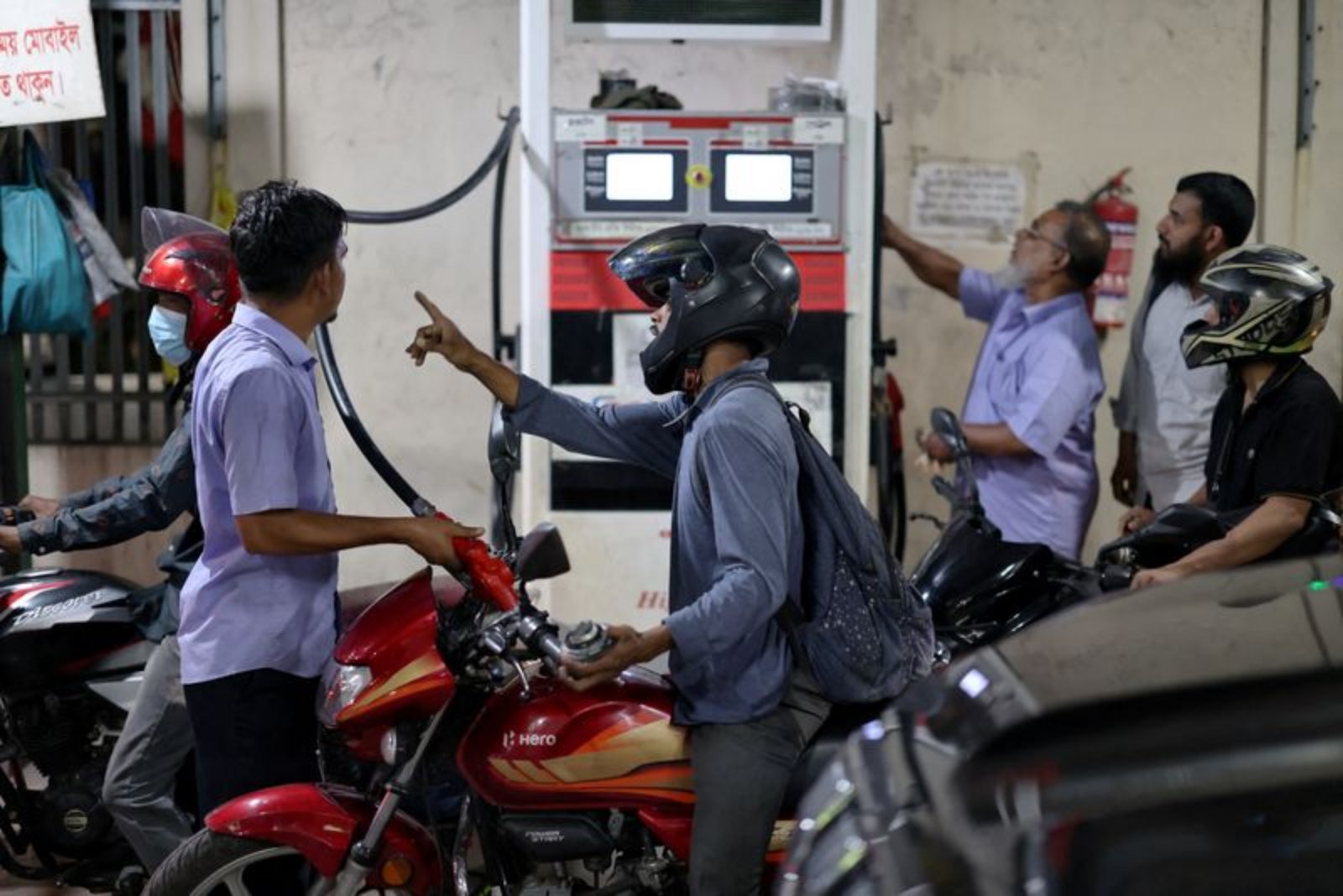
The disruption has come in the wake of strikes by Israel and the U.S., after which Iran has almost entirely blocked traffic through the Strait of Hormuz. That maritime corridor normally carries about 20% of the world’s oil and gas on a regular basis, and the near-total halt to traffic has contributed to a surge in energy prices.
In response to the emergency, IEA member countries agreed last month to make portions of their strategic petroleum reserves available. Birol said some reserves have already been released and that the drawdowns are ongoing as governments attempt to blunt the supply shortfall.
The interview juxtaposed the magnitude of the current supply interruption with past shocks, emphasizing both the breadth of affected regions and the disproportionate burden on developing economies. Higher energy costs, he warned, will translate into broader consumer price pressures, including rising costs for food, which could compound inflationary trends in vulnerable countries.
The discussion included reference to investor tools and data services aimed at identifying investment opportunities in volatile markets. Those comments noted that combining high-quality data with analytical tools can assist decision-making but do not eliminate risk or guarantee successful outcomes.
Birol's remarks present a picture of a global energy disruption whose scale, geographic reach and economic consequences are, in his assessment, without modern precedent. IEA-led reserve releases are under way as part of the collective effort to stabilize supplies and prices.