
SINGAPORE, April 8 - Willie Walsh, director general of the International Air Transport Association (IATA), told reporters in Singapore that even if the Strait of Hormuz were reopened, airlines should expect a multi-month lag before jet fuel supply recovers to needed levels.
Walsh said crude oil prices were likely to ease following U.S. President Donald Trump’s statement that he had agreed to a two-week ceasefire with Iran provided the strait - a waterway that typically handles about a fifth of the world’s oil shipments - was immediately and safely reopened. Oil fell below $100 per barrel after the president’s announcement.
Despite the anticipated drop in crude, Walsh warned there would be continued pressure on jet fuel prices because of disruptions to refining capacity in the Middle East, a region that supplies a material share of the world’s refined products. "If it were to reopen and remain open, I think it will still take a period of months to get back to where supply needs to be given the disruption to the refining capacity in the Middle East, which is a critical part of the global supply of refined products, and not just jet fuel for other products as well," he said.
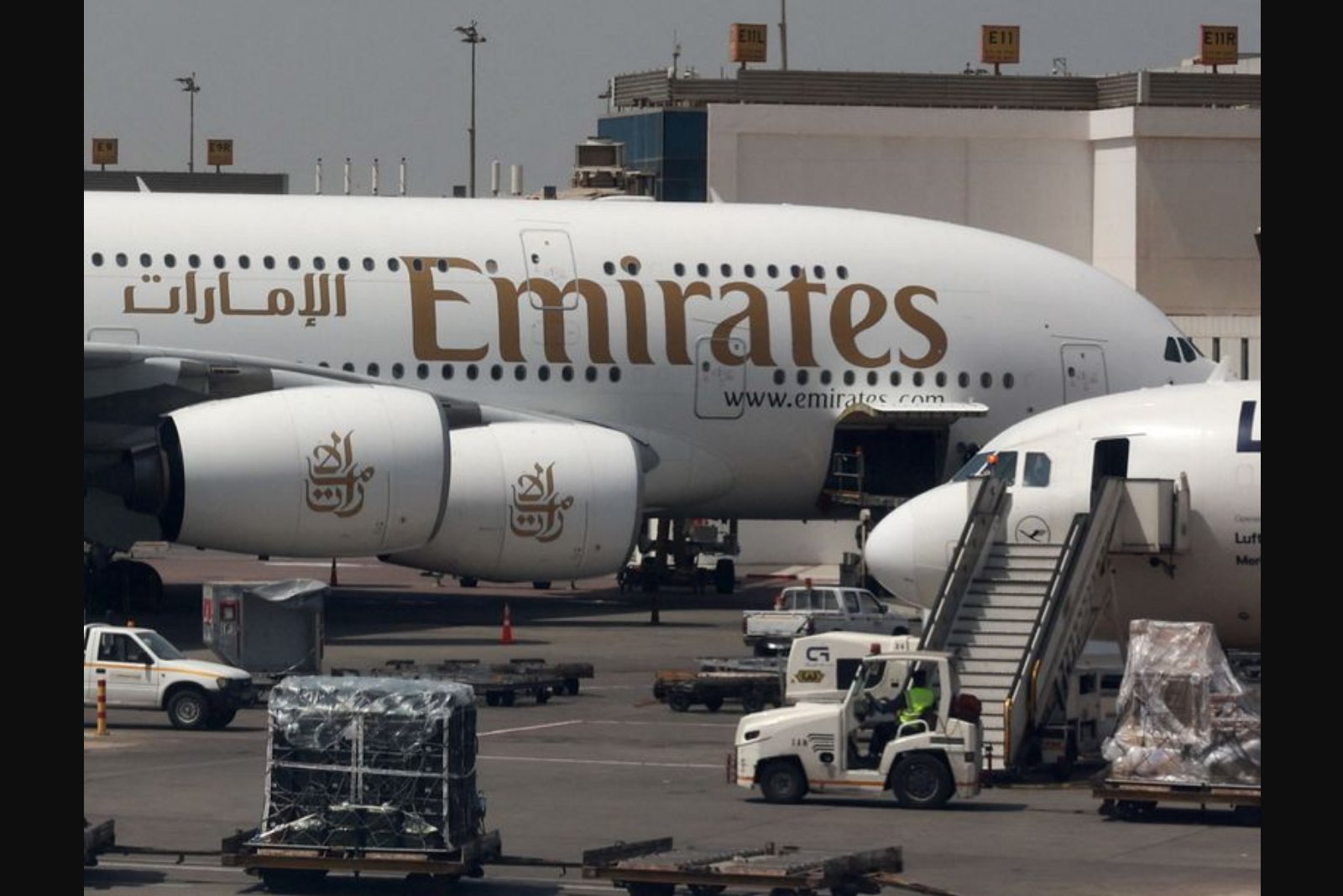
Airlines across Asia have already taken operational measures to cope with tightened jet fuel availability. Carriers have cut flights on some routes, departed with extra fuel from origin airports and inserted refuelling stops to ensure services can continue while navigating supply constraints. The result has added to financial strain in an industry that has seen jet fuel prices double.
The strain has been particularly acute in lower-income, import-reliant markets, with Vietnam, Myanmar and Pakistan singled out as facing the sharpest pain. Those effects followed policy moves by refiners and governments in the region - China and Thailand halted jet fuel exports while South Korea limited shipments to levels seen last year.
Walsh suggested there is refining capacity that could be brought back into product exports if crude flows resumed. "If crude started flowing again then 'I would like to think' that China as well as South Korea would restart their exporting of refined products," he said. He added that the economics also point toward increased jet fuel output as the crack spread - the margin between crude oil and refined product prices - remains elevated. "So there is (refining) capacity available once we get the crude oil flowing, but it’ll take a little bit of time, and with the crack spread elevated the way it is, I think that provides an incentive for refineries to increase the production of jet fuel," Walsh said.
The crack spread reference explains the incentive for refiners - higher refinery margins make producing jet fuel more attractive relative to crude input costs. Walsh’s remarks underscore a link between crude flow resumption and the subsequent lag in refined product availability driven by refining throughput, policy decisions on exports, and margin dynamics.
Summary
Reopening the Strait of Hormuz would likely ease crude oil prices, but disruptions to Middle East refining mean jet fuel supplies could remain constrained for months. Airlines have already adjusted operations, and the impact has been concentrated in import-dependent, lower-income Asian markets.
Key points
- Reopening Hormuz may lower crude prices, but jet fuel supply recovery could take months due to Middle East refining disruptions - impacting aviation operations and costs.
- Airlines in Asia are trimming flights, carrying extra fuel and adding refuelling stops to manage shortages - a strain on airline margins and schedules.
- Export restrictions by China and Thailand, and South Korea capping exports at last year’s levels, have amplified supply tightness for vulnerable, import-dependent markets.
Risks and uncertainties
- Time lag in refined product recovery - Even with the strait reopened, the article notes it may take months for refining output and exports to return to levels needed to relieve jet fuel shortages, affecting airlines and fuel-dependent sectors.
- Export policy constraints - Current halts and caps on jet fuel exports from regional suppliers create an uncertain timeline for when supply will normalize, influencing aviation and import-reliant economies.
- Refining economics - Elevated crack spreads change refinery production incentives; while this could encourage more jet fuel output, the article indicates it still requires time and a resumption of crude flows to materialize.