
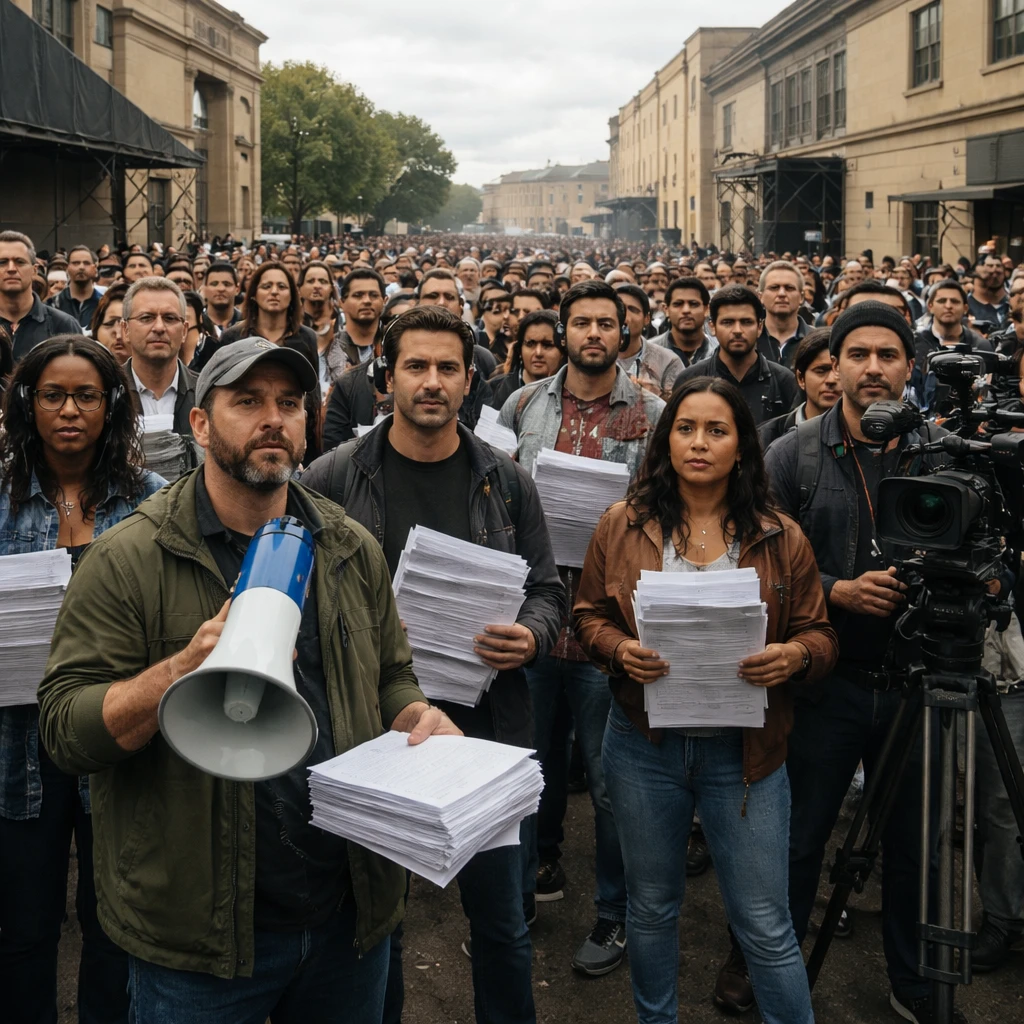
More than 1,000 writers, actors and directors have publicly opposed Paramount’s planned acquisition of Warner Bros. Discovery, signing a letter released on Monday that warns the deal would damage the entertainment industry. The letter, backed by a wide array of performers and filmmakers, says combining two major studios will have negative effects for creators, production workers and audiences.
Signatories named in the letter include performers and directors Bryan Cranston, Joaquin Phoenix, Tiffany Haddish, Lily Gladstone and Yorgos Lanthimos. The group argues the consolidation will translate into fewer working opportunities for creators and a reduction in employment throughout the production ecosystem.
The letter sets out concerns about the broader market impact of the deal, saying audiences could face higher costs and less variety. It warns the merger would concentrate decision-making power among a smaller number of large companies, narrowing which projects are financed and distributed.
"We have witnessed a steep decline in the number of films produced and released, alongside a narrowing of the kinds of stories that are financed and distributed," the letter said. "Increasingly, a small number of powerful entities determine what gets made - and on what terms - leaving creators and independent businesses with fewer viable paths to sustain their work."
In addition to that passage, the letter explicitly lists several outcomes the signees expect if the merger proceeds: fewer opportunities for creators; fewer jobs across production supply chains; higher costs for consumers; and reduced choice for audiences in the United States and around the world.
The appeal from industry professionals follows a corporate outcome earlier this year in which Paramount and its chief executive, David Ellison, prevailed in acquiring Warner Bros. Discovery over competing interest from Netflix. The letter represents a coordinated public response from a cross-section of the creative community opposed to that acquisition.
Context and implications
The signatories emphasize that the harms they outline would affect multiple parts of the entertainment economy - from independent creators and production crews to distribution channels and viewers - and they present the letter as a defense of diverse creative pathways and jobs tied to film production and distribution.