
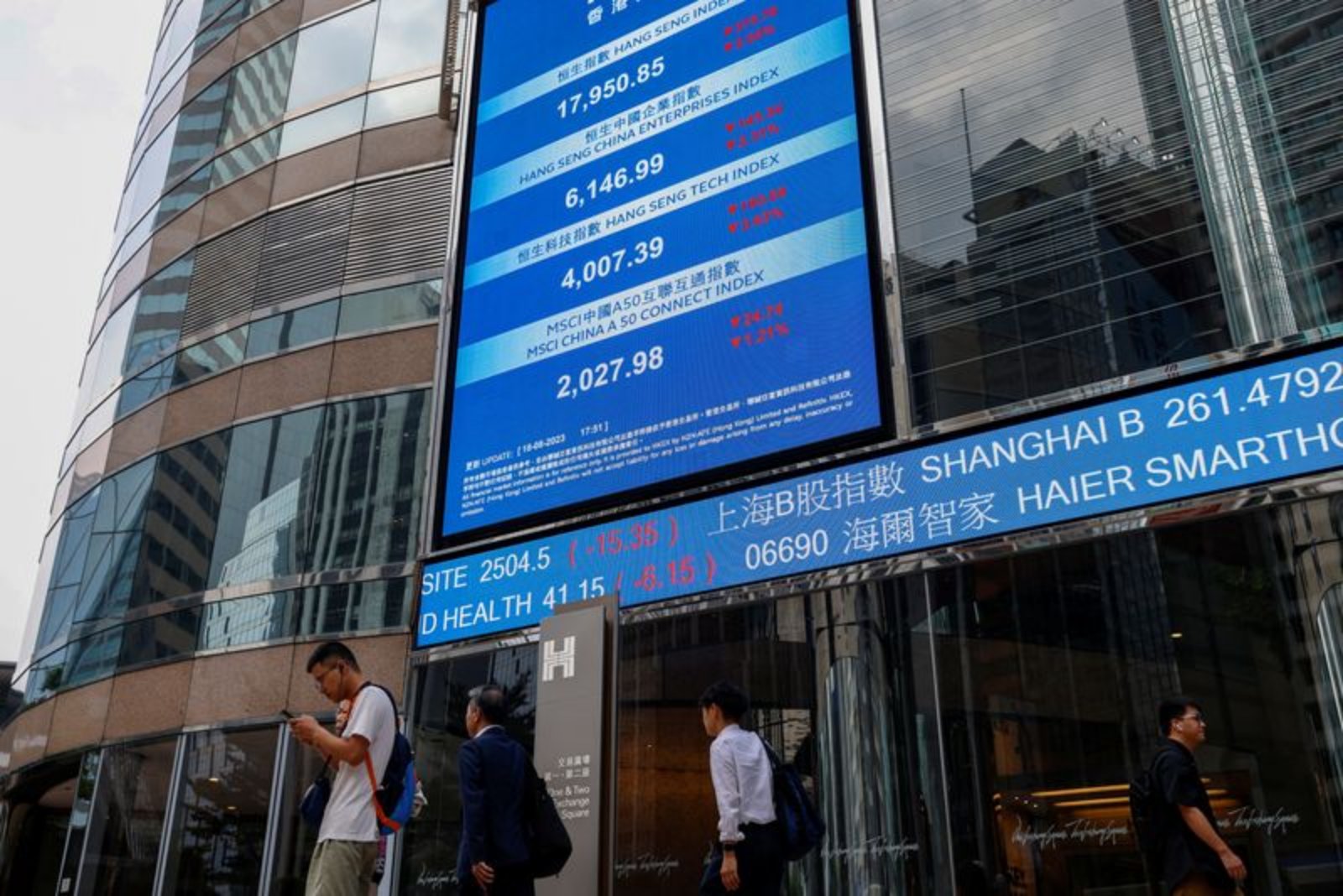
Asian markets opened on Monday with a notable lift in the U.S. dollar as investors sought shelter following the collapse of lengthy peace talks between the United States and Iran. The diplomatic setback coincided with President Donald Trump’s statement that the U.S. Navy would initiate a blockade of the Strait of Hormuz - a narrow transit point that accounts for roughly 20% of global daily energy shipments and which Iran has effectively sealed since the conflict began in late February.
The combination of stalled diplomacy and the potential for constrained energy flows contributed to a surge in oil prices of over 30%, amplifying concerns that inflation could accelerate. Because the United States is relatively less exposed to imported energy-price inflation, the dollar has been preferred as a safe-haven currency amid the market turmoil.
As Asian trading began, the euro fell 0.53% to $1.1663 while the dollar strengthened 0.1% against the Japanese yen to trade at 159.43. Late Sunday U.S. trading saw futures on U.S. equities drop by more than 1%.
Markets had briefly rallied on hopes that the Middle East conflict might be winding down after the announcement last week of a ceasefire. That optimism helped the S&P 500 claw back much of its earlier losses - as of Friday, the index had recovered nearly all the ground it lost since U.S. and Israeli strikes began in late February.
On April 7, the United States and Iran announced a two-week ceasefire that investors initially welcomed by trimming oil positions and reallocating some capital into riskier assets such as stocks. But the fragile nature of the truce and the subsequent diplomatic breakdown prompted a reversal of those trades and a renewed bid for the dollar.
"This is an absolute unwinding of any optimism heading into the peace talks into that play of dollar: safe-haven; oil jumping and selling out of everything else," City Index senior market analyst Fiona Cincotta said. "On the other hand, we have seen the markets over-exaggerate sometimes. And I think especially around this scenario, the market is struggling to really price it correctly, because there is so much uncertainty, so many unknowns."
Risk-sensitive currencies were hit as investors fled to perceived safety. The Australian dollar slid 1.1% while sterling lost 0.5% in the move away from higher-beta currencies.
With oil spiking and inflation expectations rising, market participants have begun pricing in a greater chance that central banks such as the European Central Bank and the Bank of England might lean toward raising interest rates this year. That marks a sharp shift from earlier expectations, before the outbreak of hostilities, that borrowing costs would stay the same or fall.
Global equities, which ended last week around their highest levels since early March on signs the conflict could be resolving, remain roughly 2% below where they stood immediately prior to the outbreak of war in late February.
Precious metals have also moved in response to shifting safe-haven preferences. Gold has declined by about 10% since late February as investors favor the dollar for shelter at present.
"The market is now largely back to conditions before the ceasefire, except now the US will block the remaining up to (2 mln barrels) Iranian-linked flows through the Strait of Hormuz as well," said Saul Kavonic, MST Marquee analyst in Sydney. "The key remaining question is if the U.S. renews strikes on Iran, raising the risk of strikes on energy infrastructure across the region which could have a further lasting impact beyond the duration of the war."
President Trump also acknowledged the political implications of higher energy costs, saying on Sunday that oil and gasoline prices may remain elevated through the November midterm elections.
The developments highlight how geopolitics remain a dominant factor for markets, with energy routes and supply risks directly shaping currency flows, inflation expectations, and central bank outlooks. Investors have reacted by shifting portfolios toward perceived safety in the dollar while selling assets linked to growth and risk exposure.
Market participants face ongoing uncertainty as the situation evolves and relevant policy and military decisions unfold. The near-term path for inflation, central-bank policy stances, and the balance between oil supply and demand will be watched closely by traders and investors.