
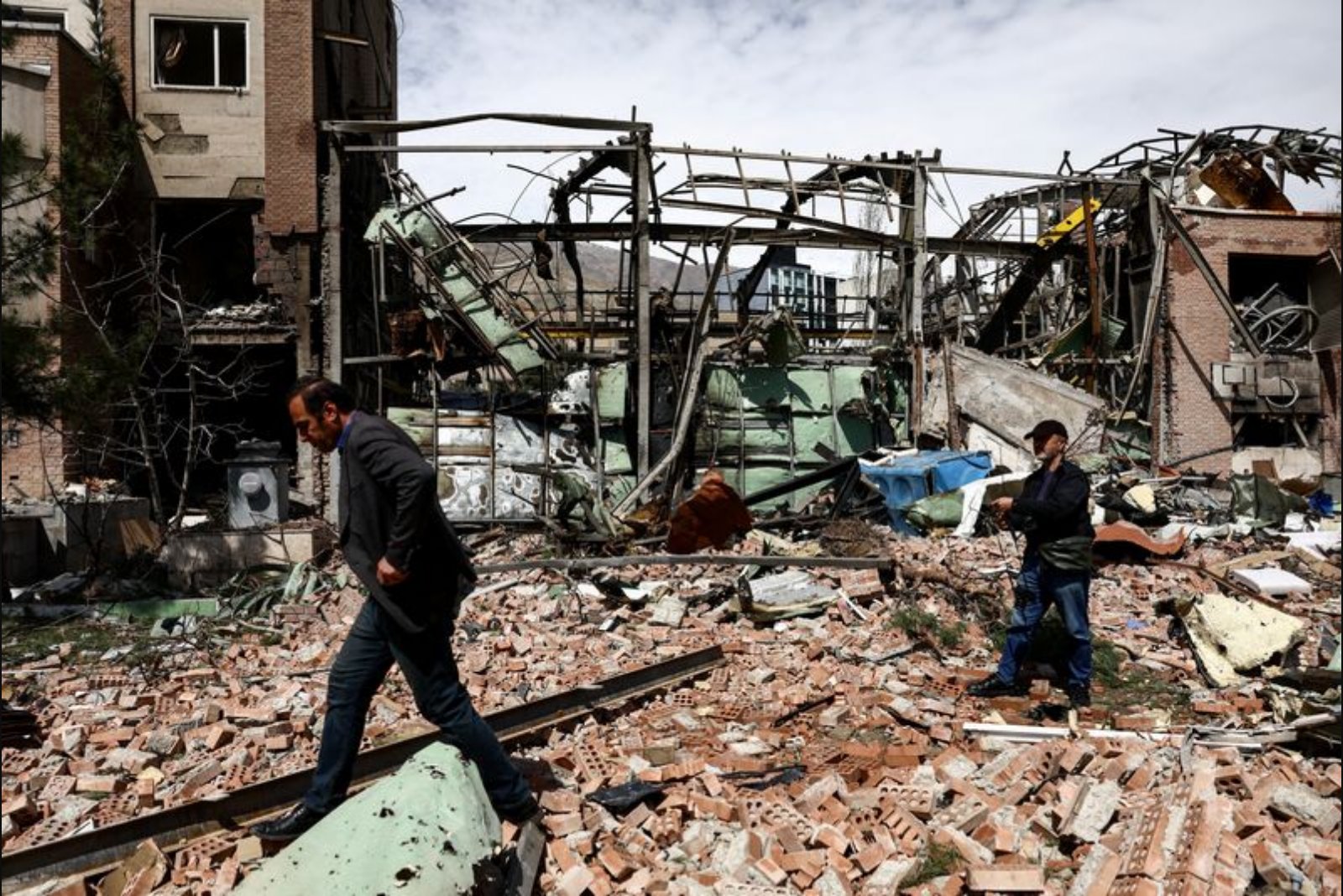
Thousands of people have been killed across the Middle East since the conflict began after U.S. and Israeli strikes on Iran on February 28. Those initial attacks prompted Iranian strikes on Israel, on U.S. bases and on Gulf states, and precipitated a separate front of hostilities in Lebanon. Here are the latest reported death tolls by country and locale; the figures presented have not been independently verified.
Iran
A U.S.-based rights group, HRANA, reported that 3,636 people have been killed since the war erupted, of whom 1,701 were civilians. The group said at least 254 of the civilian fatalities were children. HRANA said its totals are gathered from field reports, local contacts, medical and emergency sources, civil society networks, open-source material and official statements. Separately, the International Federation of Red Cross and Red Crescent Societies provided a separate tally for Iran, saying at least 1,900 people have been killed and 20,000 injured in the U.S.-Israeli strikes to date. It was not clear if those figures included at least 104 people whom the Iranian military said were killed in a U.S. attack on an Iranian warship off Sri Lanka on March 4.
Lebanon
Lebanese authorities report 1,530 people have been killed in Israeli strikes since March 2, including at least 129 children. Two sources familiar with the Lebanese armed group Hezbollah's internal count told reporters that more than 400 of its fighters have been killed since Hezbollah began attacks and opened a new line of conflict with Israel on March 2. It is unclear whether the Lebanese authorities' overall death toll includes those fighters. The Lebanese army said at least 10 of its soldiers have died since March 2, most of the casualties occurring in southern Lebanon. In addition, three United Nations peacekeepers from Indonesia were killed in two separate incidents in southern Lebanon - one death caused by a roadside explosion and another by a projectile.
Iraq
Iraqi health authorities report at least 117 fatalities since the crisis began. The dead include civilians, members of Iran-affiliated Shi'ite Popular Mobilisation Forces, U.S.-allied Kurdish Peshmerga fighters, police and army personnel. Port security officials said one foreign crew member was killed in an attack on tankers near an Iraqi port.
Israel
Israel's ambulance service reported that missiles launched from Iran and Lebanon have killed 23 people inside Israel. The Israeli military additionally said 11 of its soldiers were killed in southern Lebanon. Separately, Israeli forces misfired and killed an Israeli farmer near the border with Lebanon on March 22.
United States
U.S. Central Command reported 13 military service members have been killed and more than 300 wounded. Six service members were confirmed dead following the crash of a U.S. military refuelling aircraft over Iraq, while seven others have been killed in action during operations against Iran.
United Arab Emirates
UAE authorities said 12 people were killed in Iranian attacks, including two army soldiers. Officials noted the latest fatality resulted when debris from an intercepted attack fell on Abu Dhabi's Habshan gas facilities.
Qatar
Qatar's defence ministry reported that seven people were killed on March 22 in a helicopter crash in Qatar's territorial waters after a technical malfunction during routine duty. The dead included four members of the Qatari armed forces, one Turkish serviceman from the Qatar-Turkey joint forces, and two technicians employed by Turkish defence manufacturer Aselsan. No further details were provided.
Kuwait
Kuwaiti authorities reported seven deaths, which included three people killed in Iranian attacks, two interior ministry officers and two army soldiers.
West Bank
Four Palestinian women were killed in an Iranian missile attack in the Israeli-occupied West Bank.
Syria
State news agency SANA reported four people were killed when an Iranian missile struck a building in the southern city of Sweida on February 28.
Bahrain
Bahraini authorities reported two people were killed in two separate Iranian attacks, including a most recent strike that hit a residential building in the capital, Manama. The UAE's defence ministry said on March 24 that one of its civilian contractors was killed in an Iranian attack on Bahrain and that the contractor was a Moroccan national.
Oman
Oman reported two fatalities on March 13 after a drone strike hit an industrial zone in Sohar province; those deaths marked the first reported fatalities inside the country during the crisis, according to the available reports. Separately, a vessel manager said one person died earlier when a projectile struck a tanker off the coast of Muscat.
Saudi Arabia
Authorities reported two people were killed when a projectile fell on a residential location in Al-Kharj city, southeast of the capital Riyadh.
France
French authorities said one French soldier was killed and six others were wounded after a drone attack in northern Iraq, where they were conducting counter-terrorism training.
This compilation presents reported fatalities across multiple countries and categories - civilian, military, peacekeepers and contractors - as accounted for in official statements, rights group tallies and public agency reports. The figures reflect the spread of violence from the initial strikes on February 28 to subsequent attacks and counterattacks in the weeks that followed, affecting military personnel, non-combatants and service members from a range of nations.