
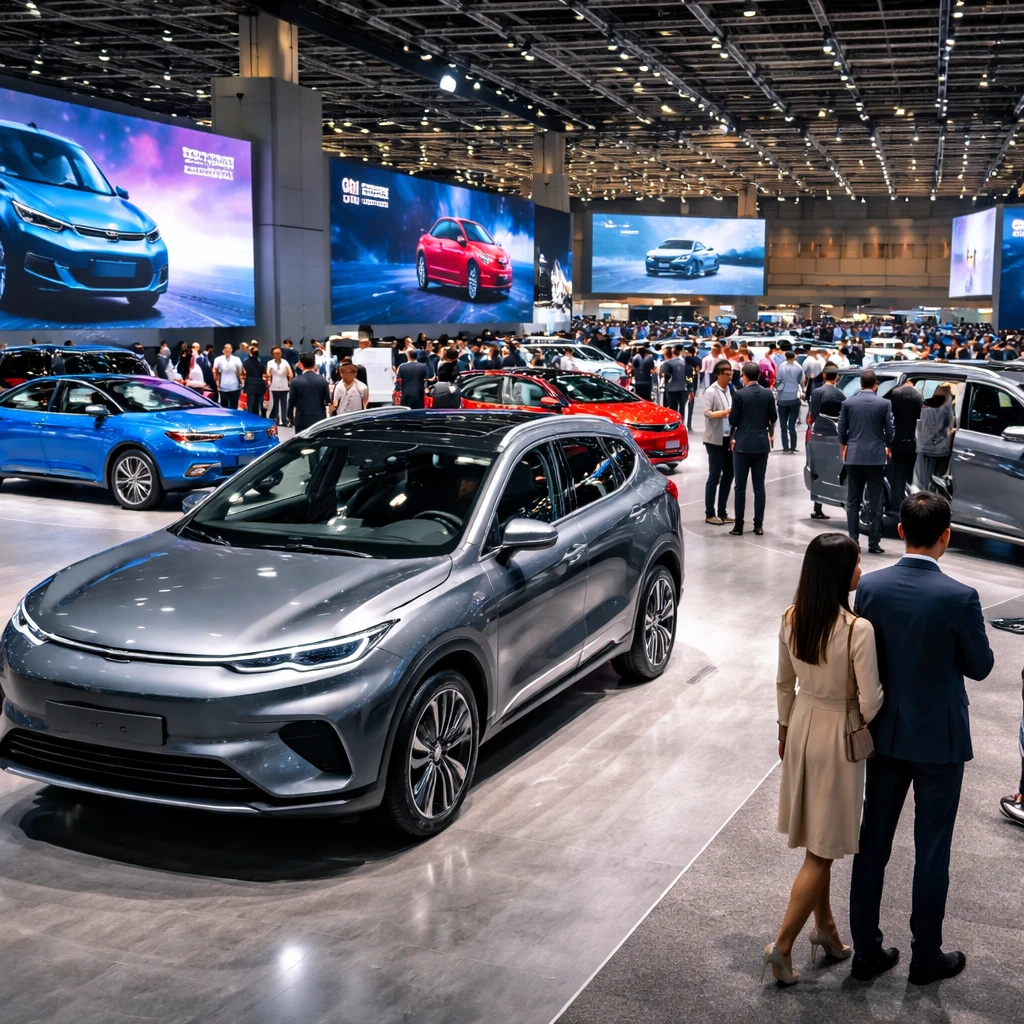
Chinese automakers are accelerating their expansion into right-hand-drive markets such as Australia and parts of Southeast Asia, bringing premium electric models that target wealthier buyers and challenging long-established Japanese rivals. The Hong Kong auto show, which opens on Thursday, will serve as a platform for several domestic brands to lay out product lines and overseas strategies geared toward affluent consumers in markets historically led by Japanese names like Toyota.
For decades, Japanese cars were ubiquitous on Hong Kong streets. The Toyota Crown Comfort was the standard taxi, while the Toyota Alphard was a popular choice among celebrities and affluent private owners. That landscape is shifting quickly: EVs represented more than 80% of all newly registered private cars in Hong Kong in the first four months of the year, and Chinese brands such as BYD, GAC Aion, Zeekr and Denza are gaining share in both fleet and luxury categories, according to data compiled by the Hong Kong Transport Department.
The city-level data show BYD has captured a substantial presence in local taxi fleets, replacing some Toyota models. Meanwhile, Zeekr’s 009 and Denza’s D9 together outsold the Alphard during the first four months of the year, indicating a move by high-end buyers toward Chinese-made electric models, the Hong Kong government figures indicate.
Market observers point to broader drivers behind renewed global attention to China’s EV makers. UBS analyst Paul Gong said that "high oil costs since March have rejuvenated China’s EV sector, sparking fresh global interest and creating opportunities for Chinese automakers." The article notes that oil prices rose after the onset of the U.S.-Israeli war on Iran in late February, though prices eased this week as an interim agreement to end the conflict began to take shape.
Data from the China Passenger Car Association highlight shifting shares in regional markets. Toyota’s market share fell by 1.4% in Southeast Asia and by 4.1% in Oceania in the first four months of the year, while Chinese makers expanded their footprints. Chery increased its Southeast Asia share by 1.7% over the same period, and BYD gained 2.5% more of the Oceania market.
Regional sales volumes also underscore the stakes. PwC reported that light-vehicle sales across the six largest ASEAN countries reached 3.28 million in 2024 and stated that "Chinese automakers are aggressively challenging Japanese dominance" in those markets.
As Chinese brands consolidate position in mass-market EV segments, they are increasingly pushing into premium and luxury tiers overseas. FAW’s Hongqi, long associated with China’s elite, plans to debut a right-hand-drive flagship electric SUV, the E-HS9, along with a new luxury SUV at the Hong Kong show. Geely’s premium marque Zeekr is set to present its flagship 009 Glory and the 9X models under a "luxury, new prologue" message aimed at global customers.
The show will therefore highlight both product introductions and strategic intent: Chinese manufacturers are using the exhibition to court affluent buyers in right-hand-drive territories while riding the momentum of rapid EV adoption in markets such as Hong Kong. Observers will watch whether these premium offerings translate into sustained market share gains against established Japanese competitors in fleet, luxury and private segments.
Context and outlook
- Chinese brands are leveraging rising EV adoption and fleet opportunities in Hong Kong as they expand into right-hand-drive overseas markets.
- Manufacturers are stepping up premium-model launches, signaling a deliberate move beyond mass-market EVs into luxury segments.
- Regional market-share shifts documented by industry and government bodies show Chinese automakers making measurable inroads against Japanese incumbents.