
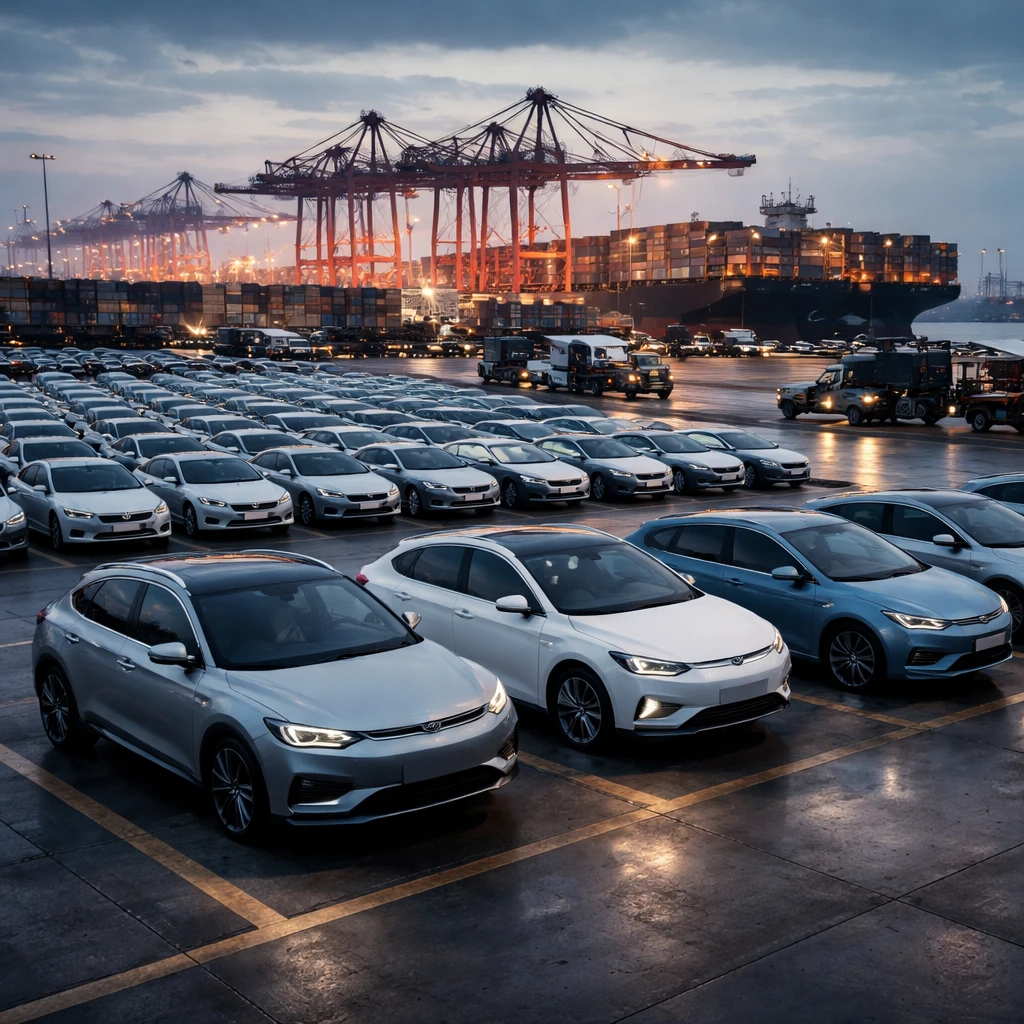
China's electric vehicle (EV) and hybrid manufacturers shipped a record number of vehicles abroad in March, while sales within the domestic market weakened, official industry figures show.
Data released by the China Passenger Car Association indicate exports of EVs and hybrids rose to 349,000 units in March - a volume that more than doubled compared with the same month a year earlier. Overseas shipments climbed 140% year-on-year, a surge the association linked in part to renewed international interest in electric vehicles amid a global energy shock from the Iran war.
BYD Co. emerged as the dominant exporter, accounting for about one-third of total outbound volumes for the month. Geely Automobile Holdings Ltd. and Chery Automobile Co. completed the list of the top three exporters in March.
That export momentum stands in stark contrast to conditions inside China, where consumers purchased fewer electric and hybrid vehicles. Total domestic sales of EVs and hybrids fell 14% to 848,000 units in March, marking the third consecutive monthly decline. The first-quarter decline represented the first quarterly contraction for the segment since 2020, the association noted.
The drop in home-market demand was broad-based among leading manufacturers. BYD's domestic sales decreased by more than 40% in March. Tesla Inc. also recorded a decline in Chinese sales, down 24% for the month, though shipments from Tesla's Shanghai factory rose roughly 9% year-on-year.
The figures underscore a bifurcated market dynamic: robust external demand for Chinese-built EVs at the same time as fraying demand domestically. Export growth was particularly pronounced in March, while domestic volumes slipped for a third month running, producing the first quarterly fall in over three years.
Summary
China set a record for EV and hybrid exports in March at 349,000 units, led by BYD, even as domestic sales of the same vehicles declined 14% to 848,000 units and slipped for a third consecutive month.
- Key points:
- Record export volume of 349,000 EVs and hybrids in March - exports rose 140% year-on-year.
- Domestic sales fell 14% to 848,000 units in March and declined for the third straight month; first-quarter sales fell for the first time since 2020.
- BYD accounted for about one-third of exports; Geely and Chery were the other top exporters. BYD's domestic sales fell over 40%; Tesla's China sales fell 24% while Shanghai factory shipments rose about 9%.
- Risks and uncertainties:
- Persistence of weakening domestic demand for EVs and hybrids could pressure China-focused auto manufacturers and domestic retail channels.
- Heavy reliance on export markets may leave manufacturers exposed to shifts in overseas demand tied to geopolitical or energy developments.
- Volatility in shipments and sales across manufacturers introduces uncertainty for supply chains and production planning within the auto sector.