
Introduction
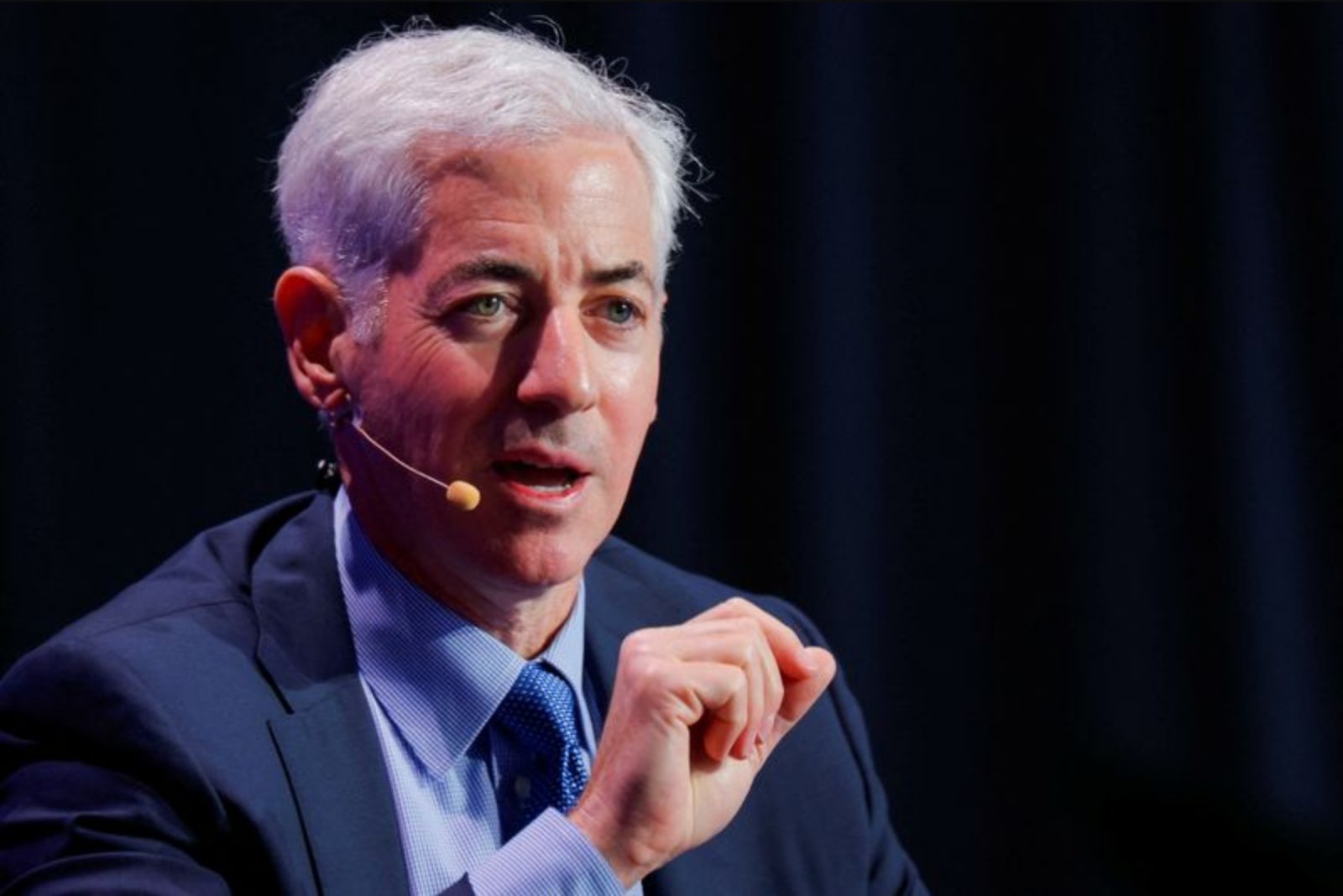
Bill Ackman opened his campaign to acquire Universal Music Group by contacting one person first: French billionaire Vincent Bollore. Ackman, founder of Pershing Square Capital Management, has said that Bollore’s reaction to the overture was "music to my ears", and that Bollore’s advisers were "intrigued" by the proposal. Ackman stressed the centrality of Bollore’s stance, saying "Without Bollore, we don’t have a transaction."
Bollore’s leverage
Bollore, who is 74 years old and remains active in business despite official retirement, holds direct and indirect stakes that amount to just below 32% of Universal Music Group. That position gives him what Ackman described as effective blocking power over any deal. Bollore’s ownership derives from a combination of direct holdings, family group positions, and a significant stake through the holding in French media group Vivendi. Pershing Square’s bid, valued at $64 billion, therefore turns in large part on Bollore’s response.
Responses and silence
Requests for comment to Bollore’s Paris-listed holding group were not answered. Ackman did not respond to a separate request for comment. Universal has said its board of directors is reviewing Pershing’s "unsolicited and non-binding proposal" and declined to comment further. Ackman told investors that the overture to Bollore was the first call he made after launching the offer.
Bollore’s track record and style
After revitalizing his family’s long-standing business, Bollore developed a pattern of opportunistic stake-building in the 1990s, notably targeting Bouygues. He later applied a similar approach in the early 2000s when taking control of advertising company Havas, refining an approach described as "creeping control" that he subsequently employed in media investments. Observers note that, despite a reputation for a hands-on style, Universal has been a notable exception where management, under CEO Lucian Grainge, has operated with substantial autonomy.
Analysts and biographers point to the Vivendi-related moves as among Bollore’s most successful. He acquired exposure to Universal via Vivendi’s 2021 spin-off of the music company and its Amsterdam listing. Over time Bollore has extended his influence over Vivendi by placing allies on the board and strengthening his overall control. "He has always known how to unlock value, and he did so in a truly striking way with Vivendi’s assets, bringing out the real wealth inside that conglomerate," said Vincent Beaufils, author of a Bollore biography.
Mixed investment outcomes
While Bollore reshaped parts of France’s media landscape, not every investment has succeeded. Vivendi’s investment in Telecom Italia (TIM) reportedly wiped out billions of euros. A move into Mediaset sparked legal disputes and pushback from the Berlusconi family, and an initiative involving Ubisoft did not culminate in a full takeover. Forbes estimates cited in the information provided show Bollore and his family’s wealth rising from $5.2 billion in 2017 to $9.8 billion in 2026.
Ackman’s proposal and structure
Ackman, who holds a 4.7% stake in Universal and who was a board member until May last year, has proposed a structure that would give Bollore and other shareholders the option to exchange their shares for cash or to take shares in a newly formed U.S.-listed entity. That choice is part of Pershing Square’s effort to persuade significant holders to support the transaction and to assemble the necessary shareholder backing.
How Bollore may decide
Those familiar with Bollore’s decision-making say he evaluates opportunities in an analytical manner. "He will look at it in a very cold and analytical way," said one person who has worked with him. At the same time, two industry executives who have previously dealt with Bollore cautioned that his actions can be hard to predict.
Some analysts remain skeptical that Ackman will secure the result he seeks. JPMorgan analysts and others argue that Universal’s board would be unlikely to recommend a proposal that "materially undervalues" the group. In a note, analysts highlighted the complex ownership structure of Bollore’s group as a key determinant of the outcome and said they expected the Pershing bid to be rejected. Their reasoning emphasized several points:
- Bollore’s group does not need cash and has historically been a buyer rather than a seller of Universal shares.
- It is unlikely to dispose of Universal at a discount to what it considers fair value.
- Bollore would be reluctant to diminish his influence over the company.
- Historically, the group has shown a preference for a European listing and domicile for Universal.
Financial position and final considerations
Information provided notes that Bollore’s group reported a net cash position of about 5.6 billion euros at the end of last year. A currency reference included in the material states the conversion rate of $1 = 0.8554 euros. Market observers and investors will watch closely to see whether Bollore’s analytical assessment, the preferences embedded in his group’s ownership structure, and his longer-term strategic approach converge in favor of Pershing Square’s offer or lead to its rejection.
Summary
Bill Ackman has placed Bollore at the center of his $64 billion bid for Universal Music Group, acknowledging that Bollore’s near-32% effective stake makes his support decisive. Bollore’s history of stake-building, his influence over Vivendi, and the complex ownership and strategic preferences of his group inform assessments that he may be unlikely to sell at a discount or reduce his influence. Analysts are split, with some expecting rejection of the bid while Pershing Square offers shareholders a choice between cash or equity in a U.S.-listed vehicle.