
Federal law enforcement agencies issued a March 20 intelligence product alerting state and local partners to an increased threat from Iran's government against targets inside the United States, according to a law enforcement report reviewed by news organizations. The document described a continuing danger to U.S. military and government personnel and buildings, Jewish and Israeli institutions, and Iranian dissidents residing in the country.
The report, labeled "Public Safety Awareness Report," was produced by the FBI in coordination with other federal intelligence entities and circulated last month. While it emphasized the "potential for elevated physical threats" by the Iranian government following the onset of the hostilities, it also noted that the FBI and the National Counterterrorism Center had not identified broad threats to the general American public.
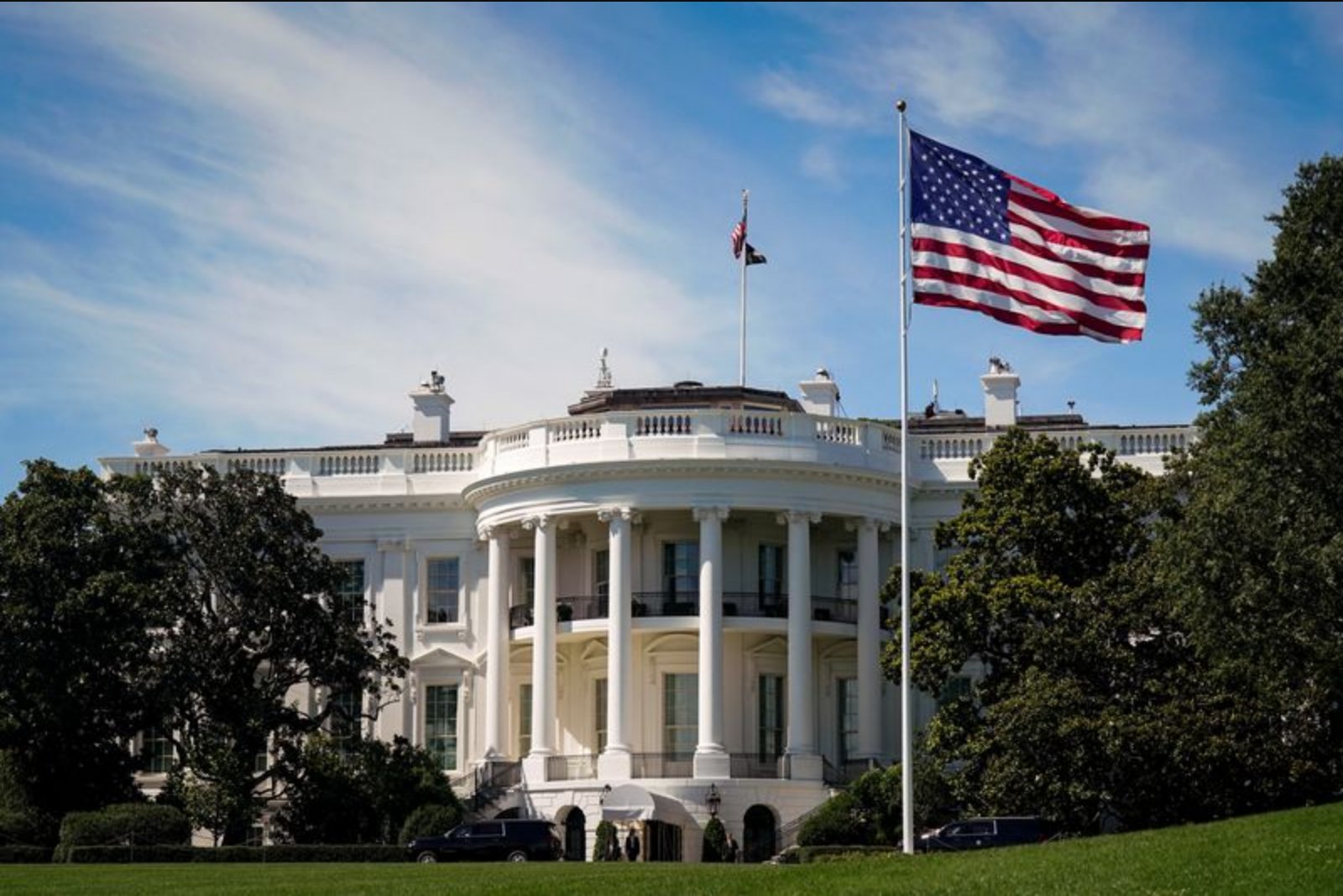
At the same time the intelligence memo was shared with law enforcement, officials at the White House publicly sought to undercut concerns about an imminent attack. When asked outside the White House on March 11 whether he was worried about an Iranian strike on U.S. soil, President Donald Trump responded, "No, I'm not." More recently, the president intensified his rhetoric around the conflict, at one point warning that "a whole civilization will die tonight" if Iran did not comply with his demands, though he later announced a two-week delay to the threatened action.
The March 20 report was issued in the weeks after news outlets reported that the White House had blocked the release of a similar intelligence product, a move the White House at the time explained as ensuring proper vetting before any public release. A White House spokeswoman said the administration was coordinating to protect the homeland and cautioned against media reporting that could alarm the public without context.
What the report said
The intelligence product detailed several concerns about methods and intent linked to Iranian security services. It said Tehran has attempted to kidnap and kill Americans in recent years and that many plots inside the U.S. had relied on firearms. The memo also cataloged other methods used in past plots, including stabbings, vehicle rammings, bombings, poisoning, strangling, suffocation, and arson.
According to the document, Iranian operatives often favor using people who already possess lawful status in the United States or who have existing access to U.S. locations. The report warned that Iranian security services have monitored social media, livestreams, and mapping applications to identify targets and evaluate security arrangements. Hacking tactics such as phishing emails were also mentioned as methods used by Tehran.
In addition, the report said the Iranian government has tried to lure victims to countries closer to Iran, almost certainly to facilitate kidnappings and eventual executions. The memo urged state and local law enforcement to remain vigilant and to share any concerning information with federal authorities.
Public sentiment and outreach
Public opinion has been notably skeptical of prolonged U.S. involvement in the conflict. A recent Reuters/Ipsos poll found that two-thirds of Americans believe the United States should end its involvement quickly, a backdrop that makes perceptions of any domestic threat particularly salient.
The March 20 FBI report was obtained by the national security transparency nonprofit Property of the People through open records requests and subsequently shared with news organizations. The FBI and the National Counterterrorism Center did not immediately reply to requests for comment on the memo. A spokesperson for the Iranian mission to the United Nations declined to comment.
Implications for law enforcement and public safety
The memo's guidance to local and state agencies was straightforward: stay alert to potential threats tied to the conflict, monitor for indicators of operatives using legitimate U.S. access, and promptly share relevant intelligence with federal partners. The intelligence community's assessment of varied tactics and prior Iranian attempts to target Americans underlines the wide range of threats authorities say they are monitoring.
Officials emphasized that, although threats to particular communities and personnel were highlighted, federal centers had not detected a sweeping, specific danger to the general public at the time of the report.