
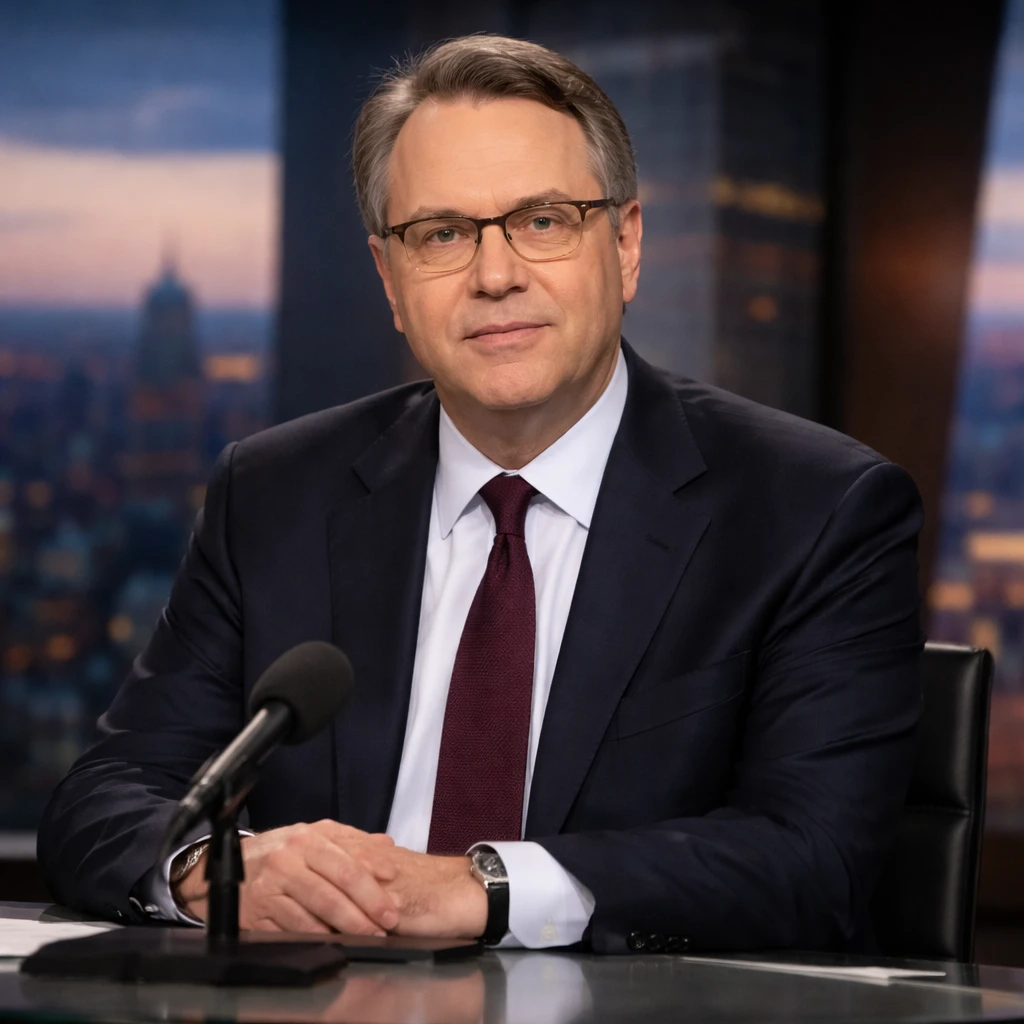
New York Federal Reserve President John Williams said Tuesday he expects inflation to reach about 2.75% in 2026, adding that the headline rate remains elevated in part because of continued effects from the war.
In a Bloomberg TV interview, Williams said the conflict could be adding roughly a tenth or two to the core inflation rate. He emphasized, however, that the broader story around underlying inflation is largely unchanged and that he anticipates underlying inflation to come down later this year.
On policy, Williams stated that monetary policy is exactly where it needs to be. At the same time, he reduced his growth forecast for 2026 to a range of 2% to 2.5%.
Turning to labor market conditions, Williams used a concise description: low hire, low fire, and low unemployment. He noted the unemployment rate is showing more stability even as public sentiment toward the labor market has grown more pessimistic. Williams also said the labor market is not exerting upward pressure on inflation.
Williams addressed leadership at the Federal Reserve, saying that Kevin Warsh has a keen understanding of the Fed mission. He also observed that Jerome Powell remains chair of the Federal Open Market Committee unless and until a new Fed chair is confirmed.
The comments underscore Williams's view that war-related developments are a measurable contributor to near-term inflation dynamics, while underlying inflation trends should moderate later in the year. His assessment of policy suggests a belief that current settings are appropriate given the outlook, and his lowered growth projection for 2026 reflects the adjustments he finds necessary in light of prevailing conditions.
Key takeaways
- Williams expects inflation of about 2.75% in 2026, with war impacts lifting headline inflation.
- He believes monetary policy is appropriately set and trimmed his 2026 growth forecast to 2%-2.5%.
- Williams described the labor market as low hire, low fire, and low unemployment and said it is not pushing inflation higher.
Context and implications
Williams's remarks highlight three interrelated themes: persistent external pressures on headline inflation tied to the war, confidence that underlying inflation will ease later in the year, and a view that current monetary policy settings are suitable given the outlook. His reduced growth forecast for 2026 sits alongside this assessment.
Risks and uncertainties
- Ongoing war-related developments could continue to add to headline and core inflation.
- Public pessimism about the labor market may contrast with measures of unemployment, creating policy communication challenges.
- Uncertainty over Fed leadership remains until any potential new chair is confirmed.