
Economy April 8, 2026 02:02 PM

White House Says Trump Seeks Strait of Hormuz Fully Reopened, No Tolls

Administration emphasizes immediate priority is unrestricted transit as questions remain over control and Tehran's toll proposals

By Derek Hwang
White House Says Trump Seeks Strait of Hormuz Fully Reopened, No Tolls

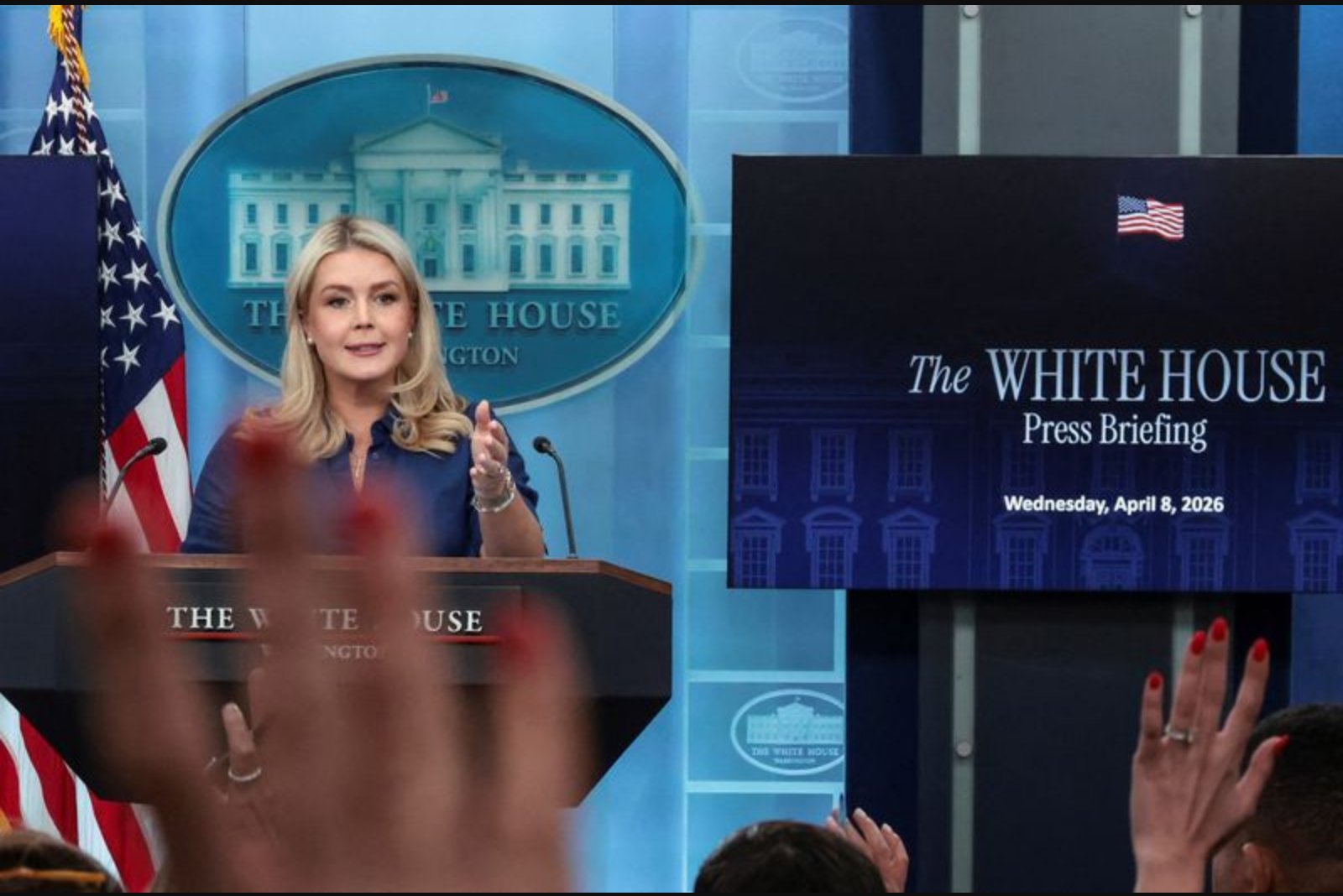
The White House says President Donald Trump wants the Strait of Hormuz reopened to tankers and other vessels without limitations, including tolls. Spokeswoman Karoline Leavitt reported a rise in traffic on Wednesday and declined to specify who controls the waterway. Tehran has proposed fees for passage amid ceasefire talks, and Mr. Trump suggested the U.S. and Iran could jointly collect tolls.

Key Points

  • President Trump has instructed that the Strait of Hormuz be reopened without limitations, including any tolls, according to White House spokeswoman Karoline Leavitt - impacts energy and shipping sectors.
  • The U.S. reported an uptick in vessel traffic through the Strait on Wednesday, indicating a near-term change in maritime movement patterns - relevant to crude oil and LNG flows.
  • Tehran has proposed charging fees on vessels passing through the Strait amid ceasefire talks, and President Trump reportedly suggested a joint U.S.-Iran toll collection arrangement - matters that affect geopolitics and commodity transport.

President Donald Trump has made the reopening of the Strait of Hormuz without restrictions a top priority, White House spokeswoman Karoline Leavitt told reporters on Wednesday. Leavitt emphasized that the administration's immediate focus is on restoring unimpeded passage for oil tankers and other maritime traffic, explicitly noting that no limitations - whether in the form of tolls or otherwise - should be imposed.

Leavitt also said the United States observed an uptick in traffic through the Strait on Wednesday. When asked who is currently exercising control over the Strait of Hormuz, she declined to provide an answer.

The Strait of Hormuz is among the world's most important maritime choke points. Roughly 20% of seaborne crude oil and liquefied natural gas flows pass through the narrow waterway, underlining its strategic significance for global energy transport.

Against that backdrop, diplomatic activity that touches on authority over the strait has drawn attention. The article states that, amid ceasefire talks involving the United States and Israel, Tehran has sought to formalize control by proposing fees or tolls on vessels transiting the Strait. Separately on Wednesday, President Trump is reported to have suggested that the United States and Iran could collect tolls together, presenting that as a possible arrangement.

Leavitt's comments framed the administration's immediate objective as the removal of any limitations on passage, while other reported statements referenced potential arrangements for levying fees. The combination of rising traffic, public statements about toll proposals, and unanswered questions about control of the waterway leaves several practical and policy issues in view.


Context and implications

The statements recorded here outline contrasting positions: an explicit White House priority to eliminate transit restrictions, and reported proposals from Tehran to impose fees. The White House spokeswoman's refusal to say who controls the Strait highlights an acknowledged uncertainty about operational authority at the moment.

Risks

  • Uncertainty over who currently controls the Strait of Hormuz, as the White House spokesperson declined to answer that question - this uncertainty affects energy supply routes and shipping operations.
  • Tehran's proposal to impose fees on vessels passing through the Strait could complicate efforts to ensure unrestricted transit and could influence costs for crude oil and LNG shipments.
  • Conflicting statements about tolls and control create ambiguity for market participants and shippers, potentially affecting freight flows and pricing in energy markets.

More from Economy

Rep. Torres Urges SEC and CFTC to Probe Pre-Pause Trades in Oil and Equity Futures Apr 8, 2026 UAE Seeks Clear Guarantees From Iran Over Ceasefire Terms Apr 8, 2026 Daly Says U.S. Economic Fundamentals ‘In a Good Place’ Despite Oil Shock and War Uncertainty Apr 8, 2026 France Holds 2026 Deficit Goal as Middle East Conflict Clouds Outlook Apr 8, 2026 Fed Minutes Confirm Rate Cuts Remain Contingent on Inflation Path Apr 8, 2026