
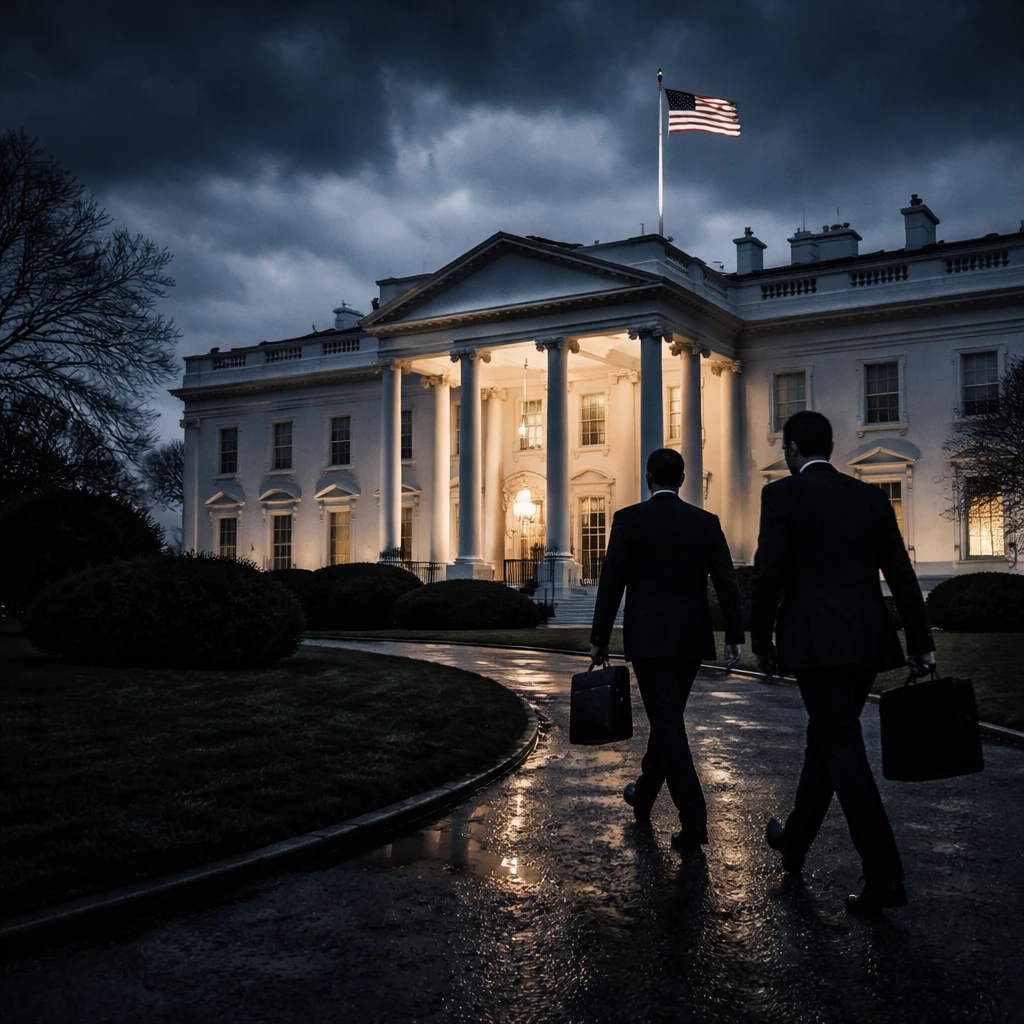
U.S. President Donald Trump is considering a wider cabinet reshuffle as political strain from an ongoing five-week conflict with Iran grows, according to people familiar with internal White House discussions. The potential reordering of top positions follows the recent removal of Attorney General Pam Bondi and reflects mounting concern inside the administration about how the crisis is playing out domestically.
Officials close to the White House say that rising gasoline prices, slipping approval ratings and increasing worry among Republican officials ahead of November's midterm elections have all added urgency to efforts to recalibrate both public messaging and leadership. Against that backdrop, a broader personnel change is being viewed internally as a tool to signal action and to reassert control during a period of heightened uncertainty.
Those familiar with deliberations emphasize that no single cabinet member has been officially singled out for dismissal. Still, a number of senior figures are reported to be under scrutiny. Director of National Intelligence Tulsi Gabbard and Commerce Secretary Howard Lutnick are among those named by sources as potentially vulnerable, reflecting a wider sense of dissatisfaction within the administration about how the situation is being managed.
Sources also report that the president has expressed frustration over the political fallout from the conflict. Some allies told officials that a recent national address did not succeed in calming public concerns. That perceived shortfall has contributed to discussions about whether a visible change in personnel could help the administration regain momentum.
Publicly, the White House has maintained a contrary posture. A spokesperson reiterated that the president continues to back his cabinet, describing it as highly effective at delivering policy outcomes. The statement framed the leadership as capable even as internal conversations about potential changes continue.
The situation remains fluid and characterized by internal debate. Officials describe the potential shake-up as a response to a combination of external political pressures and internal dissatisfaction rather than the result of a single precipitating event.