
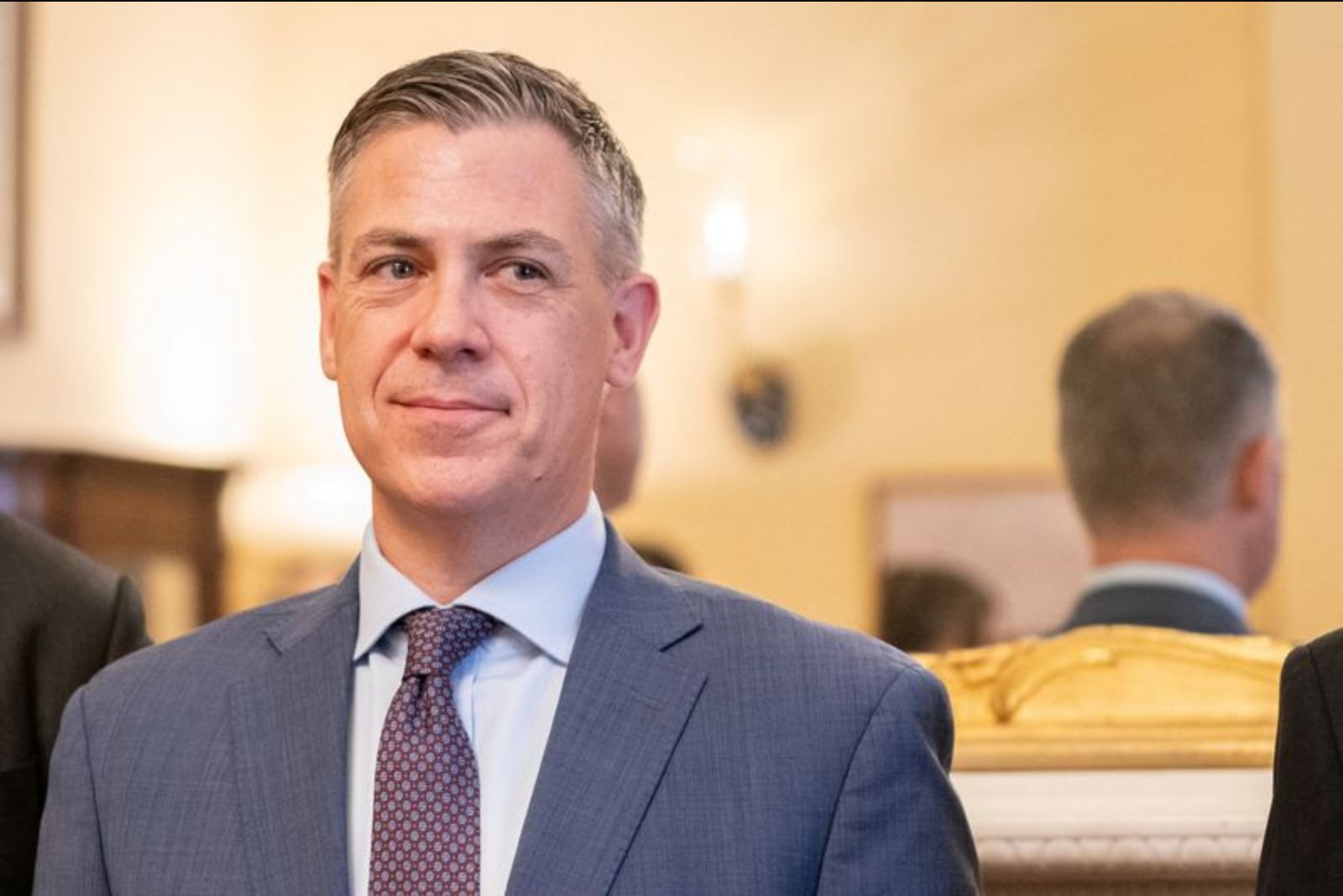
U.S. Senator Jim Banks pressed Taiwan’s government on the need for parliamentary approval of a stalled special defence budget during a meeting with President Lai Ching-te in Taipei on Wednesday. Banks said passage of the budget would demonstrate to China and the wider world that Taiwan is committed to maintaining security through strengthened military capability.
President Lai proposed the additional $40 billion last year as part of efforts to bolster Taiwan’s defences against a China that regards the island as its own territory. The proposal is still being debated in the Legislative Yuan - Taiwan’s parliament - where opposition parties holding a majority have presented competing, less costly plans.
According to a video of the meeting released by the president’s office, Banks, a Republican member of the Senate Armed Services Committee, drew a parallel between Lai’s push for expanded defence spending and similar initiatives in the United States. Banks referenced U.S. President Donald Trump’s defence spending proposal of $1.5 trillion while praising Lai’s leadership on the issue.
"But your Legislative Yuan has to do its part and pass the special budget, and that’s one message that I want to send to your leadership," Banks said, using the formal name for Taiwan’s parliament. "When you pass the special budget in the legislature, that is a signal to China, and to the rest of the world, that Taiwan is serious about peace through strength. I appreciate President Lai’s leadership in making that happen."
Banks was not the only group of U.S. lawmakers to deliver that message. A separate delegation of U.S. legislators conveyed similar advice during a visit to Taipei last week. Earlier in the year, Banks joined 36 other bipartisan U.S. lawmakers in signing a February letter to senior Taiwanese politicians expressing concern that the parliament was stalling plans for defence spending.
The debate in Taiwan’s legislature is set against a backdrop of ongoing cross-strait tensions and differing views inside Taiwan about how best to respond. The Kuomintang - Taiwan’s largest opposition party - says it supports stronger defence but cautions against simply approving large, open-ended funding requests. KMT chairwoman Cheng Li-wun is currently visiting China and could have a meeting with President Xi Jinping, reflecting the party’s emphasis on maintaining dialogue with Beijing.
Beijing has refused to engage with President Lai, labeling him a "separatist". Lai rejects Beijing’s sovereignty claims and maintains that the future of Taiwan should be determined by its people.
The meeting in Taipei again highlighted the political friction surrounding Taiwan’s defence funding proposal, with U.S. lawmakers publicly urging a legislative resolution while domestic political dynamics produce ongoing debate over cost and strategy.