
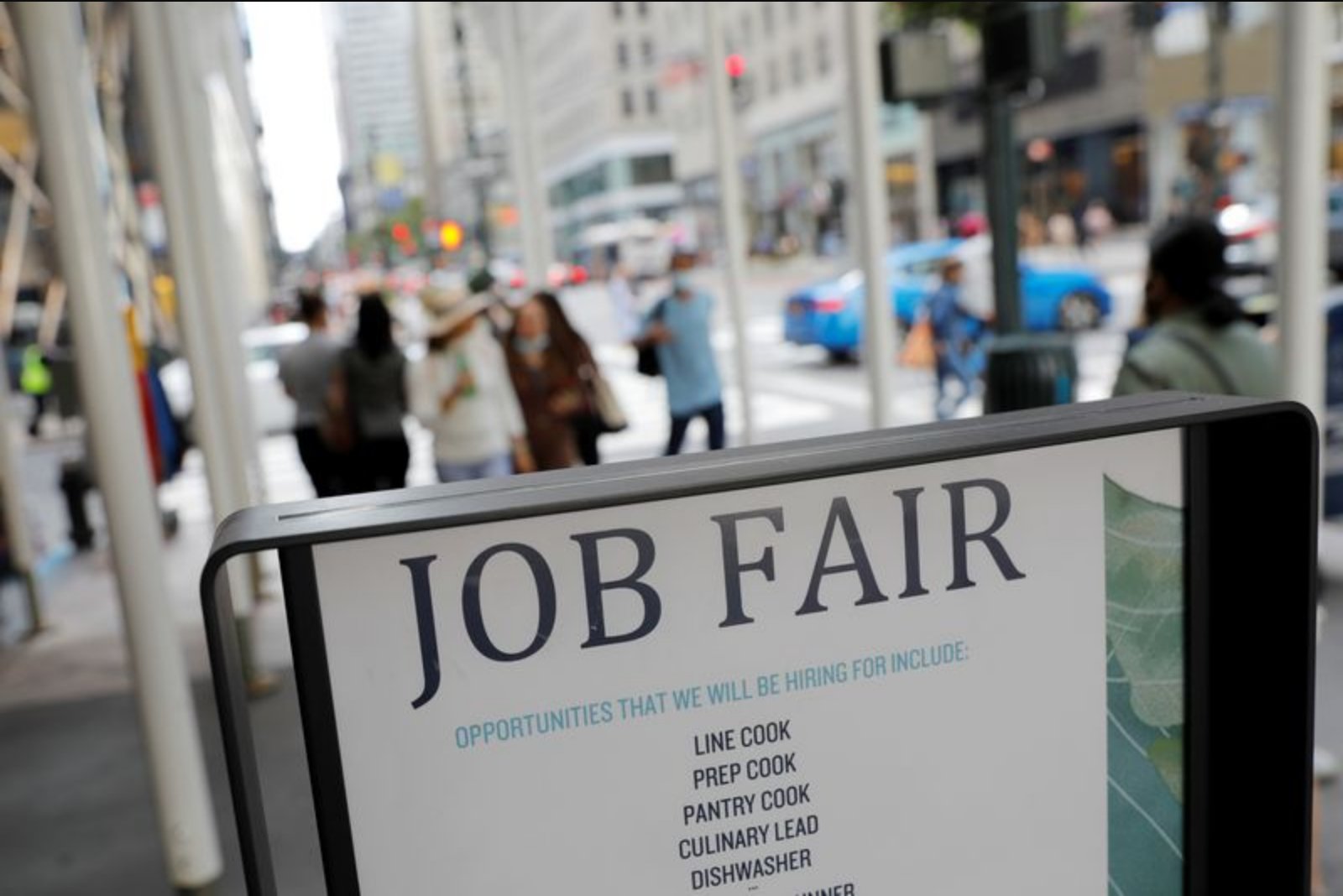
Weekly applications for U.S. jobless benefits climbed by 16,000 to a seasonally adjusted 219,000 for the week ended April 4, the Labor Department reported on Thursday. That increase was slightly above economists' consensus of 210,000 claims, as gathered in recent polling.
Despite the uptick, the scale of new claims remains modest and does not indicate a broader softening in labor demand. Employers have not, to date, appeared to respond to the recent oil-price shock tied to the U.S.-Israel war with Iran by cutting payrolls in large numbers.
The conflict in the Middle East and related disruptions to shipping prompted a sharp rise in global oil prices. That surge pushed the national average price at the pump above $4 per gallon for the first time in over three years and coincided with roughly $3.2 trillion of market value being erased from U.S. equities during March.
Policymakers and economists are also bracing for a notable increase in consumer inflation for March. The Consumer Price Index is expected to register as much as a 1.0% increase on the month, which would correspond to a roughly 3.3% year-on-year gain. The Federal Reserve targets 2.0% inflation.
Minutes released on Wednesday from the Fed's March 17-18 policy meeting showed that an expanding group of officials last month judged higher interest rates might be necessary to restrain inflation. At that meeting, the central bank left its benchmark overnight rate unchanged in a range of 3.50% to 3.75%.
Market expectations for rate cuts this year have diminished considerably in light of the minutes and ongoing inflation concerns.
The Fed's discussion of labor conditions noted that most participants expected the unemployment rate to remain little changed, and for net job creation and labor force growth to remain low. A couple of participants, however, signaled expectations for a softening in labor market conditions.
Economists have characterized the current labor market as one of "low-hire, low-fire," a pattern they attribute to heightened policy and geopolitical uncertainty, including issues tied to import tariffs and mass deportations.
Other labor-market indicators show mixed dynamics. Nonfarm payrolls rebounded by 178,000 jobs in March, yet the median duration of unemployment rose to 11.4 weeks, marking the longest such span in nearly four and a half years.
The number of people receiving unemployment benefits after an initial week of aid - a proxy for continued joblessness and a rough indicator of hiring - fell by 38,000 to a seasonally adjusted 1.794 million for the week ended March 28. While continuing claims are down from higher levels seen last year, part of that decline likely reflects beneficiaries exhausting eligibility, which is limited to 26 weeks in most states.
The report also highlighted that some unemployed young adults, who frequently have limited or no work histories, are often ineligible for standard jobless benefits. This group has been among the hardest-hit by the sluggishness in hiring.
Taken together, the latest claims report paints a picture of a labor market that remains relatively firm in headline terms but continues to show areas of strain - longer durations of unemployment for some and persistent weakness in hiring rates for certain groups. Those patterns, alongside elevated energy prices and forecasts for a step-up in inflation, are central considerations for monetary policymakers deciding whether to alter the path of interest rates.