
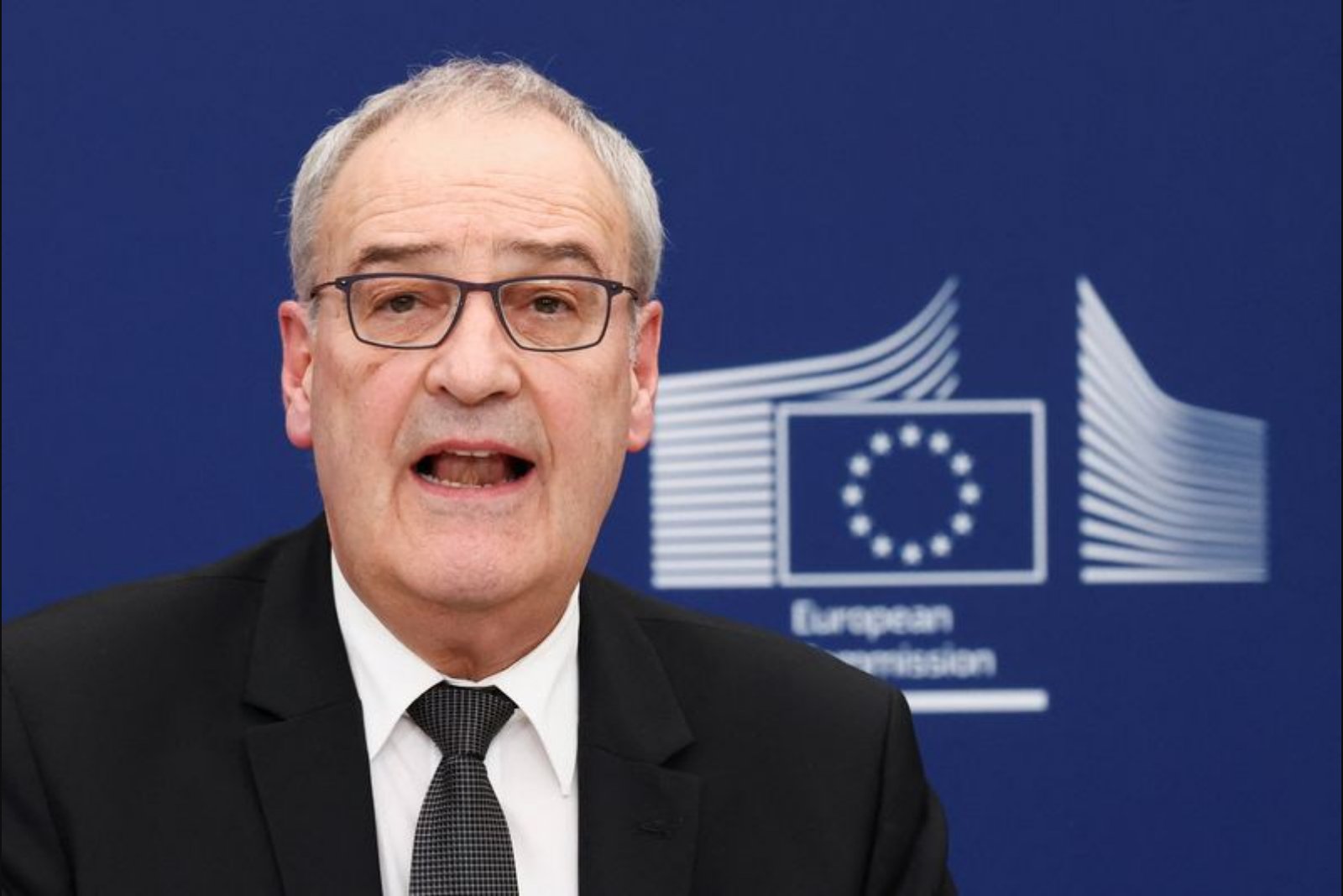
Swiss President Guy Parmelin confirmed that bilateral trade talks with the United States will not conclude by the end of March and will instead continue into the coming weeks. Parmelin, who also serves as the Swiss economy minister, said the March deadline was "de facto" no longer applicable when speaking to state broadcaster RSI.
The negotiations follow a preliminary tariff accord reached last year. In August, U.S. President Donald Trump imposed a 39% duty on products imported from Switzerland, the highest rate applied by the United States to any European country at that time. In November, Swiss and U.S. officials agreed in principle to lower that charge to 15%.
After the November agreement, Switzerland entered follow-up discussions to formalise the deal. Washington had urged that a binding arrangement be finalised by the end of March, a target that Parmelin now says will be missed.
Several developments in the United States complicated the negotiating environment. In February, the U.S. Supreme Court struck down the global tariffs put in place previously, and President Trump subsequently ordered a new 10% global duty. In March, the United States opened fresh investigations targeting major trading partners, with Switzerland among the countries under scrutiny. Those moves have added uncertainty about both timing and scope of any final settlement.
Sources familiar with the matter told Reuters that the next round of talks is likely to be scheduled in April. Beyond that, the Swiss government has signaled it will continue negotiating until a formal agreement is reached, though exact timing and sequencing remain unsettled.
Context and implications
The ongoing discussions centre on translating the November preliminary accord into a formal, enforceable arrangement. Switzerland and U.S. negotiators must reconcile the earlier commitment to a 15% tariff level with the shifting U.S. trade policy backdrop caused by court and executive actions earlier this year.
What remains unclear
Officials have not provided a detailed timeline beyond indications that talks will resume in April, and it is unclear how the recent U.S. investigations will influence negotiation dynamics or final terms.