
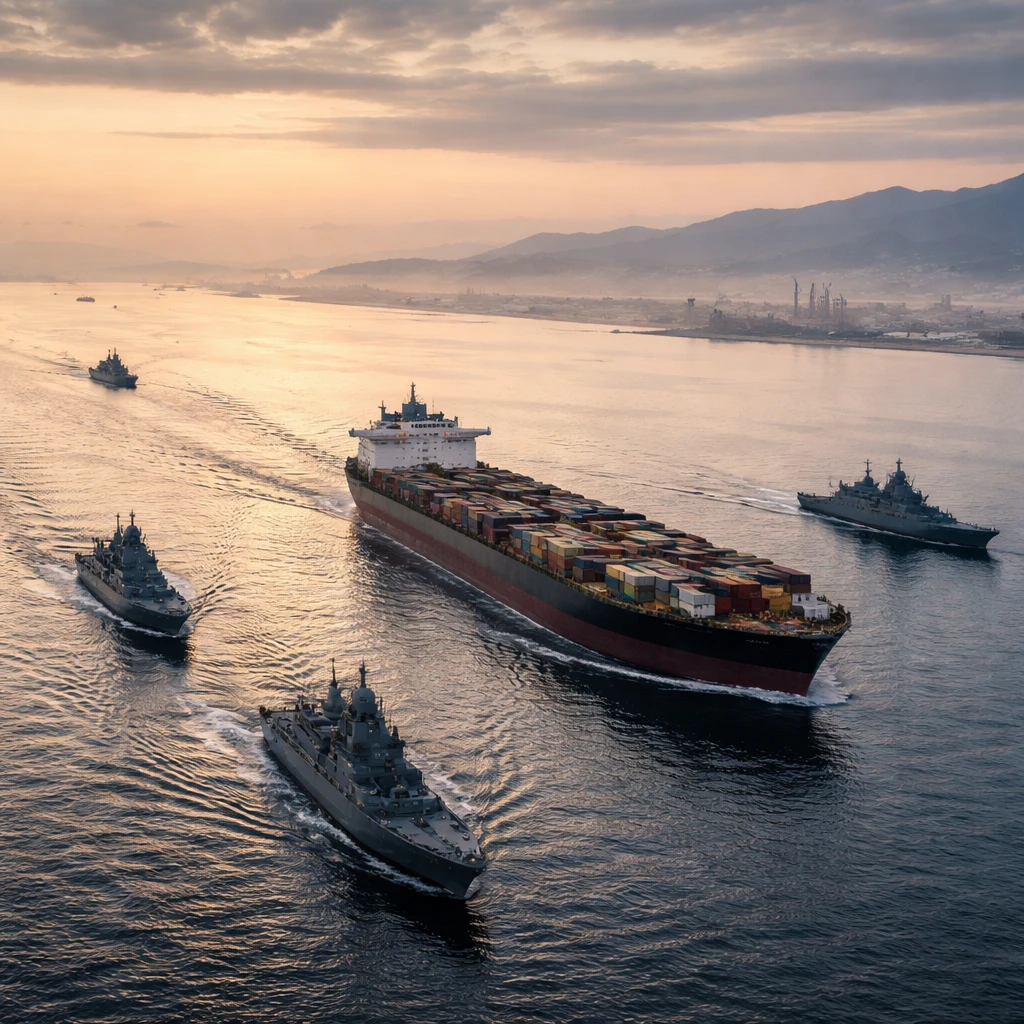
Late on Tuesday the United States and Iran reached a conditional ceasefire under which President Trump agreed to suspend planned strikes on Iranian infrastructure for a two-week period, contingent on Iran immediately reopening the Strait of Hormuz. The declaration arrived less than two hours before the president's self-imposed deadline, representing a marked reversal from his earlier warning to "wipe out a whole civilization" if Tehran did not comply.
Markets reacted quickly. Global equities rallied and oil prices fell sharply following the ceasefire announcement.
Adam Crisafulli, a strategist at Vital Knowledge, outlined why he believes the pause is likely to persist. He enumerated eight discrete factors - structural incentives and constraints on both sides - that, in his view, lower the probability of renewed large-scale conflict in the near term.
Crisafulli's eight reasons the truce is likely to hold
- Major U.S. escalation options remain unattractive. According to Crisafulli, the principal paths for intensifying the campaign - bombing civilian infrastructure, forcibly reopening the Strait of Hormuz through military means, or seizing Iran's enriched uranium - are all "awful" choices and therefore unlikely to be pursued.
- The United States can plausibly claim strategic successes. Crisafulli noted that Washington can credibly assert it has degraded elements of Iran's missile and nuclear infrastructure, which reduces the perceived need for immediate additional strikes.
- Economic damage from the conflict is mounting. The strategist warned a "significant stagflationary pulse" has been moving through the global economy over the past five weeks and cautioned that related distortions in economic data could persist until late summer or fall.
- Iran has demonstrated the ability to inflict targeted economic pain. Tehran has shown it can damage key regional assets and has signaled it would escalate such actions if the ceasefire collapses.
- U.S. military readiness has been affected. Weeks of confrontation have reduced inventories of important munitions and missile defense interceptors, a constraint Crisafulli said weighs against rapid escalation.
- There is more internal White House resistance to a broader campaign than previously publicized. Citing a New York Times report, Crisafulli said opposition runs deeper than known, naming Vice President Vance, Secretary of State Rubio, and senior officials Caine and Ratcliffe as reportedly skeptical or hostile to launching a campaign against Iran.
- Political fallout for Republican prospects has been negative. Polling for the party has weakened markedly amid the conflict, complicating an already challenging outlook heading into the November mid-term elections.
- Congressional willingness to fund an extended campaign is fading. Crisafulli pointed to reporting that the White House is now seeking $80 billion to $100 billion in supplemental funding - down from an initial Pentagon request of more than $200 billion - and he warned that passage of even the reduced request could face difficulty in Congress.
Collectively, Crisafulli argues, these elements create incentives that favor maintaining the ceasefire rather than quickly resuming large-scale military operations. The strategist's assessment ties together operational constraints, domestic political dynamics, financial costs, and the demonstrable risks facing regional assets.
Implications
The ceasefire and the factors Crisafulli cites are affecting market behavior, energy prices, defense procurement and congressional budgeting decisions. Observers and market participants will be watching whether the two-week pause produces concrete de-escalation steps and whether the structural limitations highlighted by the strategist continue to restrain both sides.