
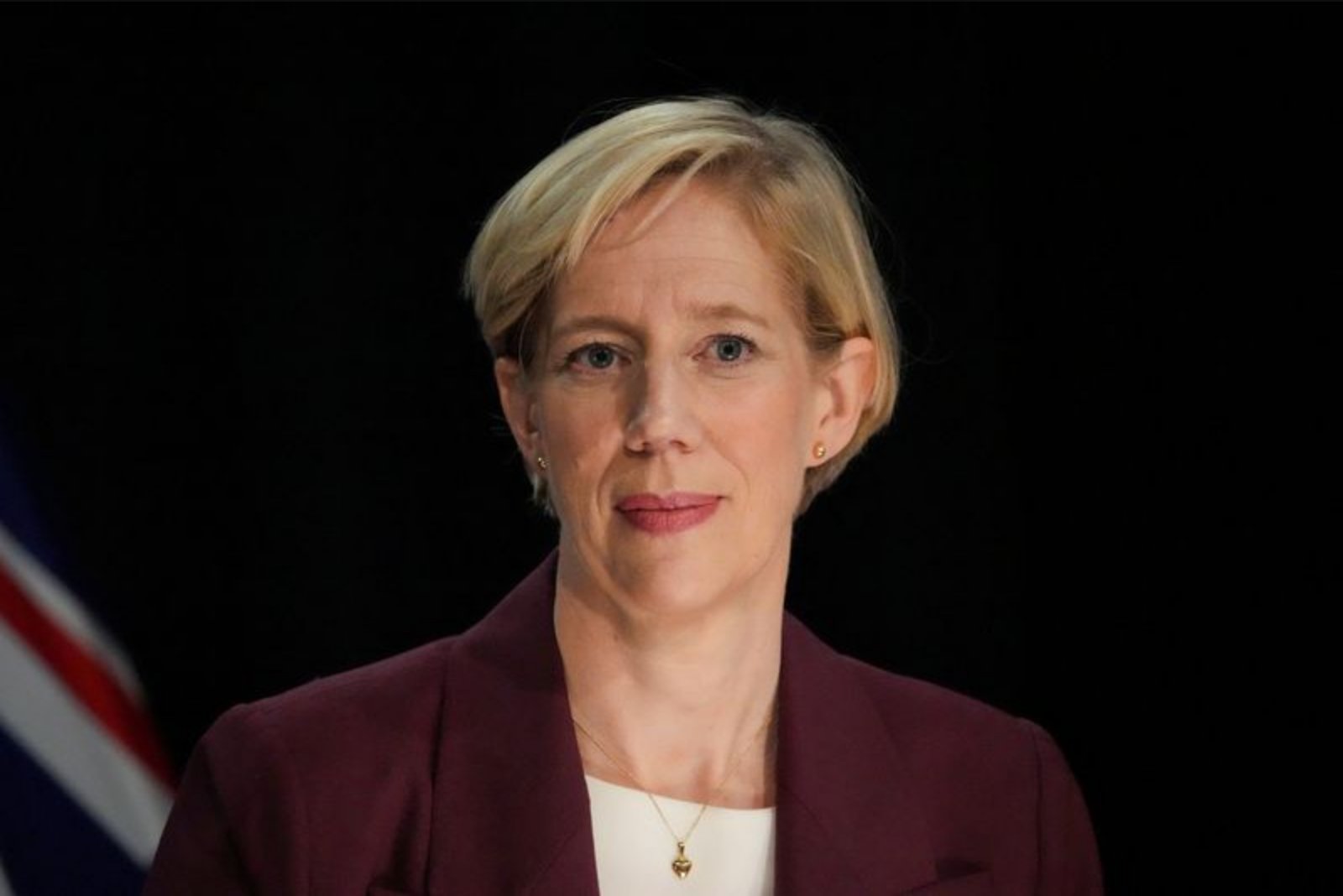
New Zealand's central bank governor said on Thursday she continues to anticipate economic growth in 2026, particularly if the ceasefire in the Middle East remains in place. Governor Anna Breman told Newstalk ZB that, while cautious about firm forecasts, early-year indicators pointed to momentum.
Breman noted that high-frequency data for January and February showed activity picking up, which underpins her expectation that growth will occur this year. She acknowledged that sentiment shifted in March, saying:
"March people started being worried, but it was a little bit 'business as usual'. I think April is going to look a bit worse… but again if we see the ceasefire holding, if we see the fuel prices coming down, I think businesses will pick up and we can see good numbers this year,"
The Reserve Bank of New Zealand held the official cash rate at 2.25% on Wednesday, a pause described by the bank as buying time to assess the economic consequences of the Middle East war. The statement accompanying that decision also signalled that the bank would act decisively should inflation re-accelerate.
In its release, the bank said inflation was expected to rise to 4.2%, a level clearly above its target band of 1% to 3%. The central bank also noted the domestic economy began to show signs of improvement in the second half of 2025, but it flagged higher interest rates and ongoing uncertainty as continued concerns.
Breman emphasised that some inflationary pressures could persist even if geopolitical conditions stabilise. She pointed out that the impact has not been limited to oil markets alone but has extended to supply chains, creating a broader inflationary footprint. As she put it:
"But I do think we can see a nice spike and then inflation falling,"
She added that the bank's approach will remain data-driven, underlining the need to update forecasts as new information arrives:
"But we will have to follow all the data and then continuously update those kind of forecasts."
The governor's comments frame a cautious optimism: growth is expected conditional on external developments easing and domestic pressures moderating, while the central bank retains the option to tighten policy if inflation pressures intensify.
Summary
Governor Anna Breman expects New Zealand's economy to expand in 2026 if the ceasefire in the Middle East holds and fuel and supply-chain pressures ease. The Reserve Bank paused at a 2.25% cash rate to monitor the situation while warning inflation may rise to 4.2%, above its 1%-3% target band.
Key points
- Governor Anna Breman still expects economic growth in 2026, particularly if the Middle East ceasefire holds.
- The Reserve Bank left the cash rate at 2.25% to assess fallout from the conflict but signalled readiness to act if inflation rises further.
- Inflation is forecast to rise to 4.2%, outside the RBNZ's target band of 1% to 3%; early-2026 high-frequency data showed growth picking up in January and February.
Risks and uncertainties
- Persistence or escalation of the Middle East conflict - impacts energy prices and broader economic confidence (affecting energy and business sectors).
- Elevated fuel prices and disrupted supply chains - can sustain inflationary pressures across goods industries and logistics-dependent sectors.
- Higher interest rates and lingering uncertainty - could restrain investment and household spending, weighing on interest-rate sensitive sectors.